Why Puja Samagri Matters
Puja samagri is not just a checklist of objects - each item is a symbol that turns a ritual into a living offering. The lamp represents knowledge, water represents purity, and grains represent abundance and gratitude. Using the right items with awareness deepens devotion and helps the mind settle into worship. Keeping a ready samagri tray also makes daily puja simple and unhurried.
Core Puja Items
These are the essentials needed for almost every puja: 1. Roli and kumkum - red powders for the tilak and for marking the deity. 2. Akshat - unbroken rice mixed with a little turmeric, offered as a sign of wholeness. 3. Flowers and a garland - fresh and fragrant, symbols of beauty and surrender. 4. Diya and ghee or oil - the lamp of knowledge that removes darkness. 5. Incense (dhoop or agarbatti) - for a pure, sacred fragrance. 6. Camphor (kapoor) - lit during aarti as a symbol of the ego dissolving completely. Keep these together on a clean thali so nothing interrupts the flow of worship.
Water, Kalash and Offerings
Water and food offerings complete the worship and represent purity and gratitude. 1. Water and a kalash (or lota) - for achaman, abhishek and sprinkling for purification. 2. Panchamrit - a mix of milk, curd, ghee, honey and sugar used to bathe the deity. 3. Fruits - fresh, clean and seasonal, offered as nature's gift. 4. Sweets (mithai) or jaggery - for the bhog or naivedya offered to the deity. 5. Tulsi leaves - especially for Vishnu and Krishna worship, a symbol of pure devotion. After the offering, the food becomes prasad and is shared with the family.
The Significance Behind Each Item
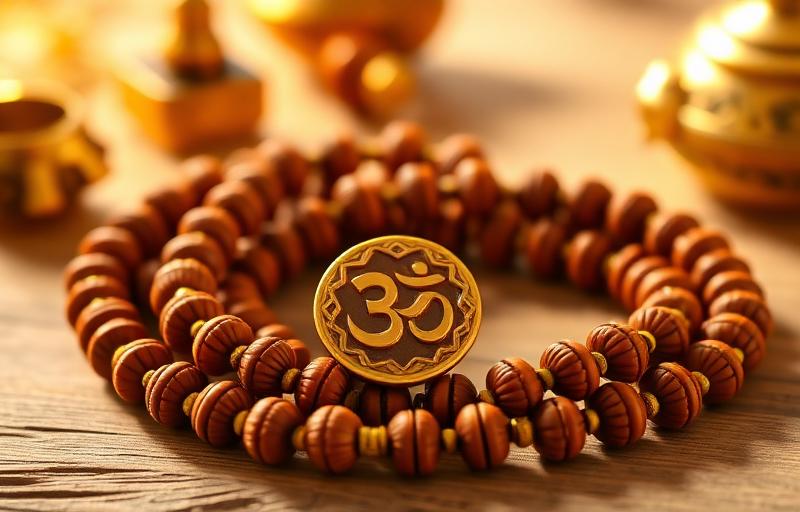
Each samagri item engages a sense and a meaning. The diya offers sight and light, incense offers smell and purity, flowers offer beauty, naivedya offers taste and gratitude, and the bell offers sound that drives away negativity. Together they form a complete sensory offering of the self to the divine. Understanding this turns mechanical ritual into mindful devotion, which is the true purpose of puja.
How to Keep a Ready Puja Tray
A standing puja tray saves time and keeps worship unhurried. 1. Use a clean metal thali and place small bowls (katoris) for roli, kumkum, akshat and water. 2. Keep the diya, incense holder and a matchbox or lighter in one corner. 3. Store dry items like akshat, cotton wicks and camphor in small airtight containers. 4. Prepare fresh flowers, fruits and panchamrit just before the puja. 5. Wipe and refill the tray daily, replacing anything stale. A tidy, ready tray makes it easy to maintain a daily practice even on busy mornings.
Common Mistakes to Avoid
Avoid offering broken rice as akshat, as only unbroken grains are used. Never use wilted or stale flowers, and do not reuse the previous day's offerings. Keep tulsi separate and never pluck its leaves after sunset or on Sundays and Ekadashi. Wash your hands and keep the samagri pure and untouched by leftover food, so the worship stays clean in both spirit and substance.
What People Ask Most
What are the basic items needed for daily puja?+
The basics are roli, kumkum, akshat (rice), flowers, a diya with ghee or oil, incense, camphor, water in a kalash, and some fruit or sweets as bhog. A bell completes the set.
What is akshat and why is it used?+
Akshat is unbroken rice mixed with a little turmeric or kumkum. The unbroken grains symbolise wholeness and completeness, so akshat is offered to invite prosperity and to honour the deity.
What is panchamrit made of?+
Panchamrit is made of five ingredients - milk, curd, ghee, honey and sugar. It is used to bathe the deity (abhishek) and is later shared as a sacred prasad among devotees.
Why is a diya lit during puja?+
The diya represents knowledge and the inner light that removes the darkness of ignorance. Lighting it at the start of puja invokes divine presence and focuses the mind on worship.
Can flowers from the previous day be reused in puja?+
No. Only fresh flowers should be offered. Wilted or stale flowers are considered impure for worship, so offerings and water should be changed daily to keep the mandir clean.
Is tulsi used in every puja?+
Tulsi is especially dear to Vishnu and Krishna and is essential in their worship, but it is not offered to Ganesha or in Shiva puja in the same way. Pluck its leaves with care and never after sunset.
About the author
Pandit Mahesh Trivedi · Festival Traditions & Panchang
Pandit Mahesh leads the festival-date and Panchang content on Vandnaa. He cross-references multiple regional panchangs (Drik, Vaishnava, Bengali, Marathi) for every festival date published on the site.
Meet the Vandnaa editorial team →Explore on Vandnaa
Related Articles

Home Mandir Setup - Direction, Vastu Rules, Dos and Don'ts
9 min read
Aarti Thali Items and How to Do Aarti (Vidhi)
8 min read
Panchamrit - Meaning, 5 Ingredients, Significance & Puja Vidhi
8 min read
Naivedya / Bhog Rules - What to Offer Which Deity
9 min read
Dhoop / Incense - Benefits & Which Fragrance for Puja
8 min read
Kalash Sthapana - Vidhi, Significance and Mantra
9 min read