The Place of Dhoop in Puja
Offering dhoop (incense) is one of the sixteen steps of traditional worship, representing the element of air and the offering of fragrance to the deity. As the fragrant smoke rises, it is seen as carrying prayers upward and purifying the space of the puja. Whether as a dhoop cone, a stick of agarbatti, or resin burned on charcoal, incense transforms an ordinary room into a calm, sacred atmosphere fit for worship.
Benefits of Burning Incense
Incense is believed to purify the environment by clearing stale air and unwanted energy, leaving the home fresh and serene. The fragrance calms the mind and aids concentration, making it easier to settle into prayer or meditation. Traditional ingredients like guggul and loban are valued for their cleansing, mildly antiseptic smoke. On a subtle level, the rising fragrance is held to please the deity and invite positive, divine vibrations into the home.
Which Fragrance for Which Deity
Different fragrances suit different deities and intentions:
Sandalwood (chandan) - cooling and pure, dear to Vishnu and good for general worship and meditation. Loban (benzoin) - strongly purifying, used to cleanse spaces and ward off negativity. Guggul - traditional resin for Shiva and Hanuman worship and for protection. Mogra / jasmine - sweet and devotional, loved for Krishna and Lakshmi. Rose (gulab) - dear to the Devi and used in Lakshmi worship. Kapur (camphor) - purifying and uplifting, often used with the aarti flame.
How to Offer Dhoop in Puja
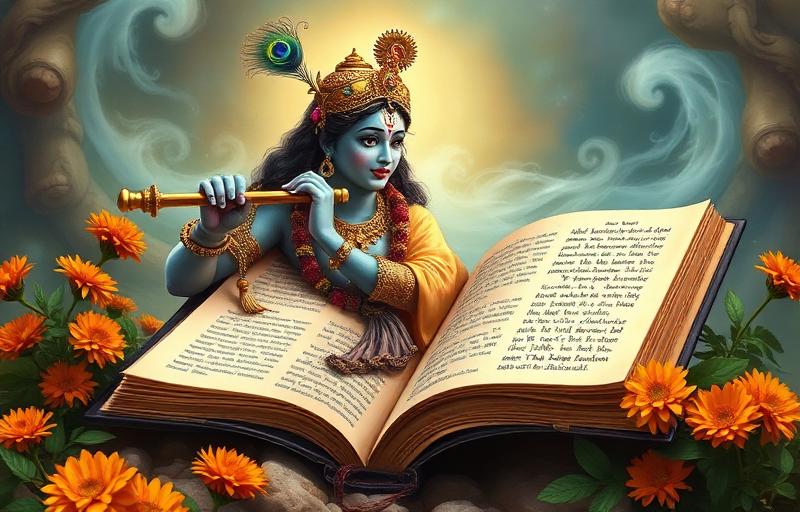
1. Light the dhoop or agarbatti and let the flame settle into a gentle glow with rising smoke. 2. Holding it in your right hand, gently circle it clockwise before the deity, usually two to three times. 3. Offer it after the lamp (deep) and before or along with the naivedya, as part of the puja sequence. 4. Place it in a holder to one side so the smoke continues to spread during the worship. 5. Keep the area ventilated and never leave burning incense unattended. Use natural, good-quality incense for the purest fragrance and smoke.
Dhoop, Agarbatti and Resin
Dhoop is the thicker, often bamboo-free form made from herbal and resin pastes, giving a dense, traditional smoke ideal for puja. Agarbatti are the familiar thin sticks with a bamboo core, convenient for daily use. Resin incense like loban and guggul is burned on a small piece of charcoal and gives the most intense purifying smoke, often used for deeper cleansing. Choose based on the occasion - daily prayer, festival worship or a full house purification.
Do's and Don'ts
Do: use natural, good-quality incense, circle it clockwise before the deity, keep the space ventilated, and match the fragrance to the deity and purpose. Don't: use cheap, chemical-heavy sticks that irritate the lungs, blow on the flame with your mouth, leave burning incense unattended, or let ash fall on the deity or offerings. Light incense with reverence, as it is a sacred offering, not just a room freshener.
Reader Questions Answered
What are the benefits of burning dhoop or incense?+
Incense purifies the environment, clears stale air and negativity, calms the mind and aids concentration in prayer. The rising fragrance is believed to please the deity and invite positive vibrations.
Which incense fragrance is best for puja?+
Sandalwood is pure and good for general worship, loban purifies spaces, guggul suits Shiva and Hanuman, mogra and jasmine suit Krishna and Lakshmi, and rose is dear to the Devi.
When should incense be offered during puja?+
Dhoop is offered after the lamp (deep) and before or along with the naivedya. Hold it in the right hand and circle it clockwise before the deity two or three times.
What is the difference between dhoop and agarbatti?+
Dhoop is the thicker, bamboo-free form from herbal and resin pastes, giving dense traditional smoke. Agarbatti are thin sticks with a bamboo core, convenient for daily use.
Is loban good for purifying the home?+
Yes. Loban (benzoin) is strongly purifying and is burned on charcoal to cleanse spaces and ward off negativity. Its dense smoke is often used for deeper home purification.
Should incense be left burning unattended?+
No. Never leave burning incense unattended. Place it in a proper holder, keep the area ventilated, and ensure no ash falls on the deity or offerings, for both safety and respect.
About the author
Pandit Mahesh Trivedi · Festival Traditions & Panchang
Pandit Mahesh leads the festival-date and Panchang content on Vandnaa. He cross-references multiple regional panchangs (Drik, Vaishnava, Bengali, Marathi) for every festival date published on the site.
Meet the Vandnaa editorial team →Explore on Vandnaa
Related Articles
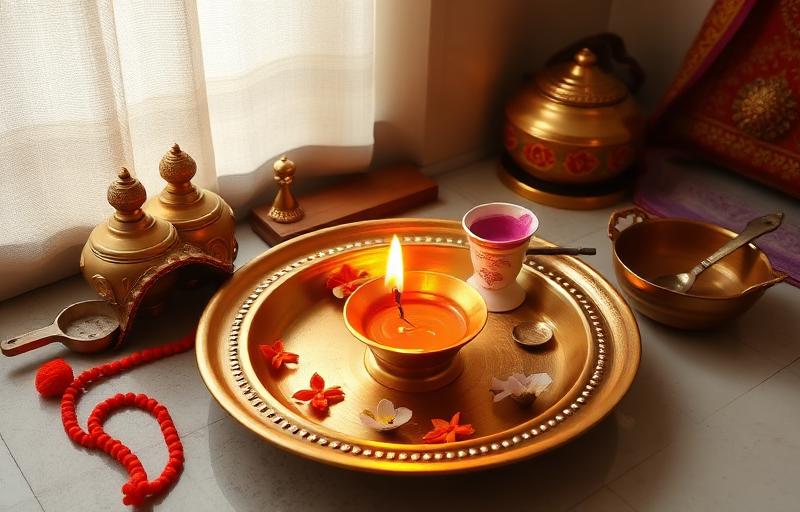
Complete Puja Samagri List - Items and Their Significance
9 min read
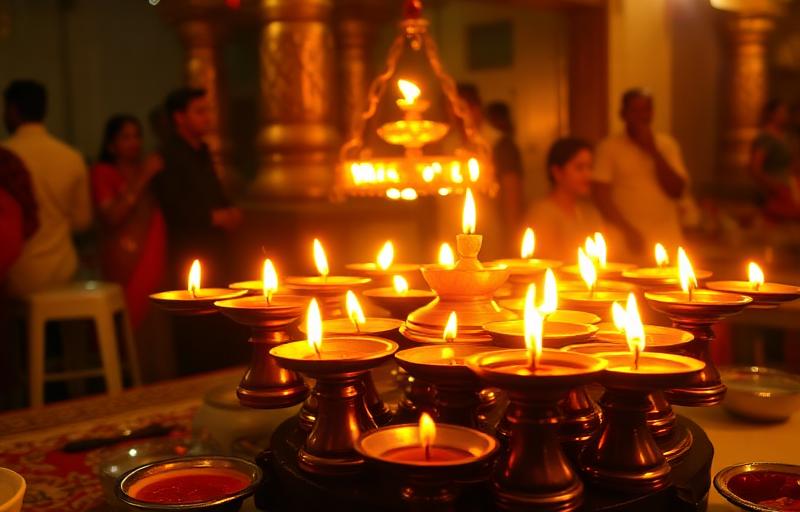
Aarti Thali Items and How to Do Aarti (Vidhi)
8 min read
Naivedya / Bhog Rules - What to Offer Which Deity
9 min read
Home Mandir Setup - Direction, Vastu Rules, Dos and Don'ts
9 min read
Panchamrit - Meaning, 5 Ingredients, Significance & Puja Vidhi
8 min read
Lotus Flower - Significance in Hinduism & Which Deity
8 min read