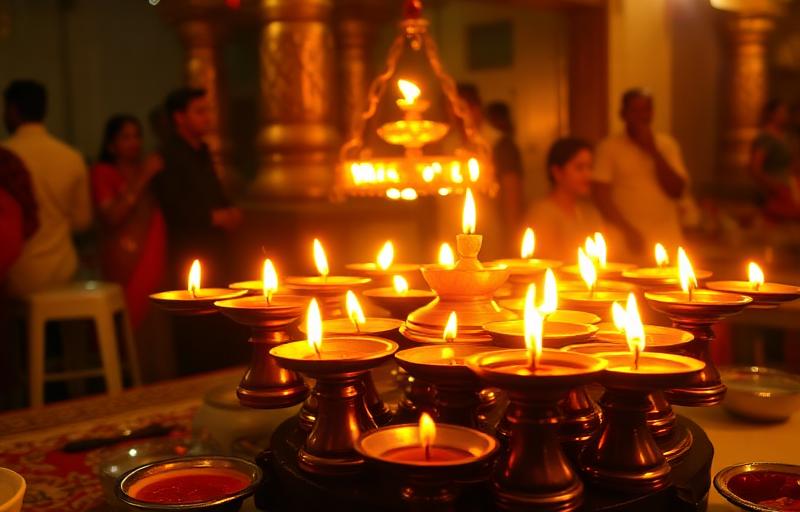
What Aarti Means
Aarti is the ritual of waving a lighted lamp before the deity while singing a devotional song, performed at the end of a puja. The word comes from aaratrika, meaning the removal of darkness. As the flame circles the deity, the devotee offers light, love and gratitude and receives the warmth of the divine in return. It is the most heartfelt and joyful moment of worship, often joined by the whole family.
Items to Keep on the Aarti Thali
A traditional aarti thali holds a few essential items: 1. A diya or lamp - usually a five-wick (panch-aarti) lamp or a camphor holder. 2. Incense (dhoop or agarbatti) for fragrance. 3. Flowers to offer during the aarti. 4. Kumkum and akshat (rice) for the tilak. 5. A small bowl of water for sprinkling and purification. 6. A bell (ghanti) to ring during the aarti. Arrange these neatly so the lamp is easy to lift and circle without spilling.
How to Do Aarti - Step by Step
Perform the aarti at the end of the puja, ideally standing: 1. Light the lamp or camphor on the thali and ring the bell to begin. 2. Hold the thali in your right hand, supported by the left. 3. Move the lamp in a clockwise circle before the deity, starting from the feet upward to the face. 4. Make small full circles - traditionally four near the feet, two at the navel, three near the face and seven around the whole form. 5. Sing the aarti song with the family while ringing the bell. 6. At the end, offer the flame to everyone present and take the blessing by passing your palms over it and touching your eyes.
Why the Lamp Moves Clockwise
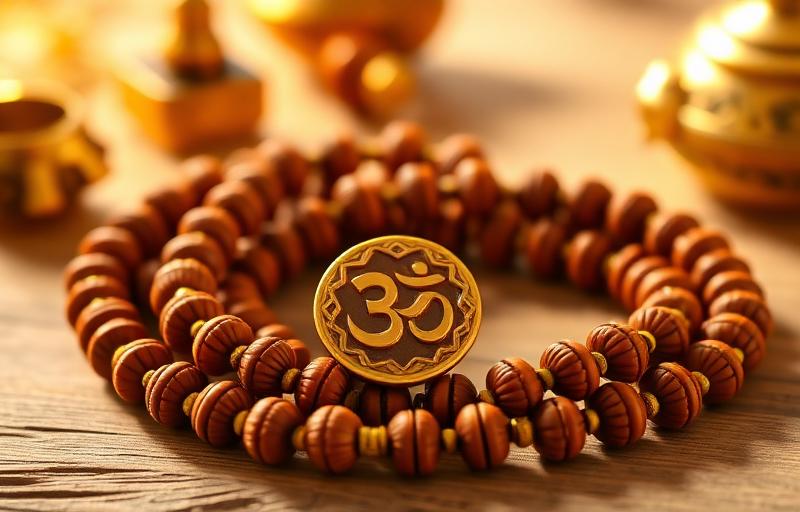
The aarti lamp is always circled in a clockwise direction, following the natural movement of the sun and the cosmos. This represents moving in harmony with the divine order and channelling positive energy toward the deity and the devotees. After the aarti, the flame is shared with everyone, and people pass their open palms over it and gently touch their eyes and head to receive the warmth and blessing of the light.
A Simple Aarti Closing Mantra
After completing the aarti, offer the light with this universal prayer:
Om Jai Jagdish Hare, Swami Jai Jagdish Hare.
or close with the shanti mantra:
Om Shanti Shanti Shanti.
Then fold your hands, bow before the deity, and pray for the wellbeing of your family and all beings. Sprinkle a few drops of the thali water around for purification, and distribute the prasad to complete the worship.
Common Mistakes to Avoid
Never move the aarti lamp anticlockwise, and avoid making hurried or careless circles. Do not let the flame go out midway through neglect. Hold the thali in the right hand, not the left, and avoid talking about worldly matters during the aarti. Keep the thali clean, never let wax or oil drip onto the floor, and always share the flame and prasad with everyone present rather than keeping it to yourself.
Quick Answers
What items are needed for an aarti thali?+
An aarti thali needs a diya or lamp (or camphor holder), incense, flowers, kumkum and akshat for the tilak, a small bowl of water, and a bell to ring during the aarti.
In which direction should the aarti lamp be moved?+
The aarti lamp is always moved in a clockwise direction, following the movement of the sun. It is circled before the deity starting from the feet and rising up toward the face.
How many times should the lamp be circled during aarti?+
Traditionally, the lamp is circled four times near the feet, twice at the navel, three times near the face, and seven times around the whole form of the deity, though a few simple clockwise circles are also accepted.
Why do people pass their hands over the aarti flame?+
After the aarti, devotees pass their open palms over the flame and touch their eyes and head to receive its warmth and blessing, symbolising taking in the divine light and removing darkness from the mind.
Which hand should hold the aarti thali?+
The aarti thali should be held in the right hand, supported by the left if needed. The right hand is considered pure and respectful for offering the light to the deity.
Can aarti be done without singing a song?+
Yes. While singing an aarti song deepens the experience, the aarti can be done silently or with a simple closing prayer like 'Om Jai Jagdish Hare' or 'Om Shanti'. Sincere devotion matters most.
About the author
Acharya Vinaya Kapoor · M.A. Sanskrit, Mantra & Stotra Studies
Acharya Vinaya holds an M.A. in Sanskrit from Banaras Hindu University and writes the mantra and stotra commentary on Vandnaa. Her focus is on accurate pronunciation, traditional context, and helping modern readers connect with classical texts.
Meet the Vandnaa editorial team →Explore on Vandnaa
Related Articles
Ganesh Aarti Lyrics – Jai Ganesh Deva (गणेश आरती)
8 min read
Lakshmi Aarti Lyrics – Om Jai Lakshmi Mata (लक्ष्मी आरती)
8 min read

Complete Puja Samagri List - Items and Their Significance
9 min read
Home Mandir Setup - Direction, Vastu Rules, Dos and Don'ts
9 min read
Dhoop / Incense - Benefits & Which Fragrance for Puja
8 min read
Naivedya / Bhog Rules - What to Offer Which Deity
9 min read