Radha and Krishna - The Love That Transcends
Of all the stories in the Hindu tradition, none is sung more, painted more, or pondered more deeply than the love of Radha and Krishna. And yet it is the most misunderstood, because it is not a romance in the worldly sense at all. Radha and Krishna were never married to each other; their story has no wedding, no household, no ending. What it has instead is something the saints considered far greater: prem - love that asks for nothing, possesses nothing, and never ends.
The Bhakti tradition reads their story as the soul's own story. Krishna is the divine - infinitely attractive, playful, always near and always elusive. Radha is the jiva, the soul, whose whole being turns toward Him like a sunflower to the sun. Every meeting in Vrindavan, every flute call across the Yamuna, every separation and reunion is a map of the inner journey every devotee walks. To say "Radha-Krishna" is to name love itself in its purest form.
Radha - The Supreme Devotee, Bhakti Embodied
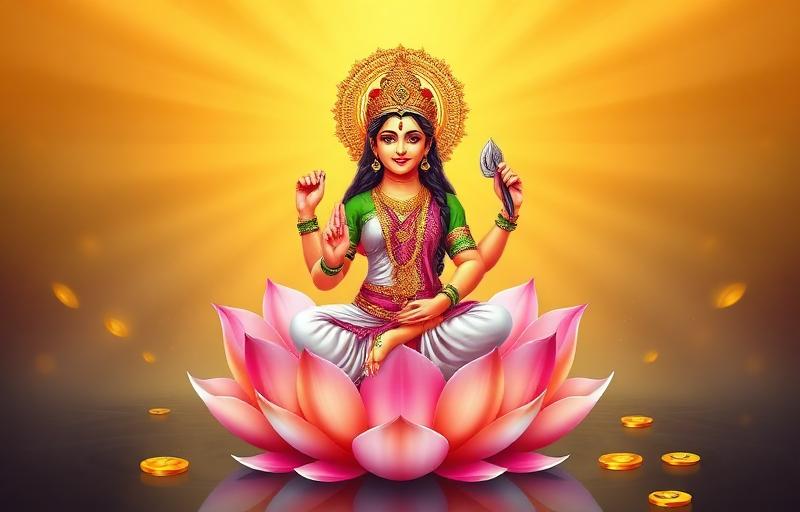
Who is Radha? The tradition's deepest answer: she is bhakti itself, given form. Where scriptures describe devotion in verses, Radha lives it completely. Her love for Krishna has no motive - she seeks no boon, no status, no liberation. She does not love Krishna because He is God; the saints say she would love Him no less if He were nothing at all. This is nishkama prem, desireless love, the summit that yogis reach after lifetimes - and she stands there naturally, effortlessly.
This is why the tradition makes an astonishing claim: Radha's love is so complete that Krishna Himself becomes the seeker. The Lord who holds the universe is held by her devotion. In Braj they say Krishna is the kalpataru, the wish-fulfilling tree, but Radha is the love that makes the tree bloom. For devotees, she is not a character beside Krishna but the door to Him - which is why her name is uttered first, and why bhakti poets from Jayadeva to Meerabai measured all devotion against hers.
Barsana and the Childhood in Braj
Radha was born in Barsana (some traditions say nearby Raval), daughter of Vrishabhanu and Kirti, while Krishna grew up in Nandgaon and Gokul as the foster son of Nanda and Yashoda. The villages of Braj - Barsana, Nandgaon, Vrindavan, Gokul - lie within a few kos of each other, and the whole landscape became the stage of their leela.
They met as children among the cowherds and gopis of Braj: stealing butter, grazing cows along the Yamuna, playing in the kadamba groves. The flute Krishna played on the riverbank called every heart in Braj, but tradition says it spoke one name above all. Their bond grew not through ceremony but through shared days - which is itself a teaching: the divine is met in the ordinary, in fields and kitchens and play, not only in temples.
Braj has never let this memory fade. To this day Barsana celebrates Radha Rani as its queen, Lathmar Holi re-enacts the playfulness of Barsana and Nandgaon, and pilgrims on the Braj yatra greet perfect strangers with "Radhe Radhe."
The Raas Leela - The Soul's Longing for the Divine
The Maharaas, described in the tenth canto of the Shrimad Bhagavatam, is among the most sacred and most carefully guarded passages of scripture. On a full-moon night of Sharad, Krishna's flute calls the gopis to the forest, and He dances with each of them at once - each gopi finding Krishna wholly beside her.
The Bhagavatam itself insists this is not a worldly scene. The gopis represent every soul; the flute call is the divine's invitation, which arrives in each life in its own way; leaving home at midnight is the soul setting aside every identity - duty, fear, reputation - when the call comes. Krishna multiplying Himself reveals a truth every devotee knows: the divine is fully present to each one who turns to Him, never divided, never shared thin.
And the raas carries one piercing lesson within it: when pride entered - the moment of feeling specially chosen - Krishna vanished. The dance resumes only through humility and longing. The raas leela, rightly understood, is the highest meditation on grace: God dances with the soul that has forgotten itself.
Why Radha Is Worshipped With Krishna
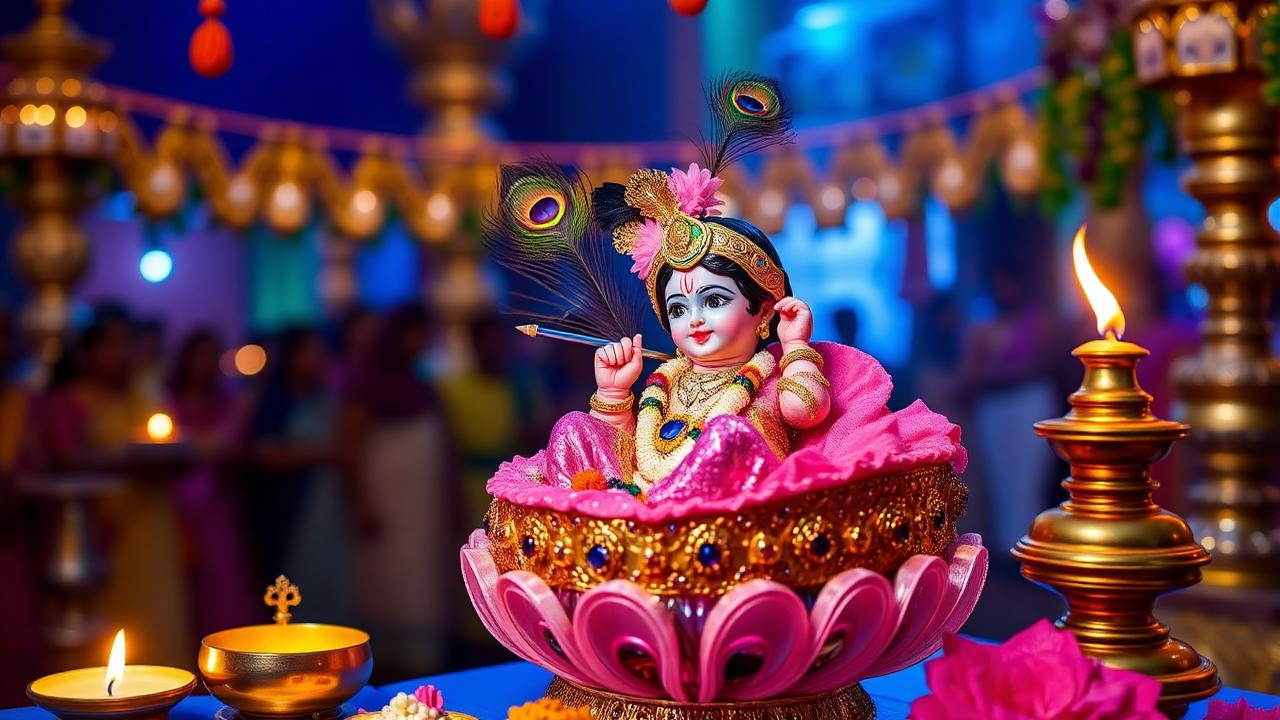
Step into almost any Krishna temple of North India - Banke Bihari's Vrindavan, the Radha Raman and Radha Vallabh temples, ISKCON shrines worldwide - and you will find Radha enthroned beside Krishna, or invoked in His very name: Radha-Raman, "He whose delight is Radha"; Radha-Vallabh, "Radha's beloved." In Braj, the common greeting is not Krishna's name at all but "Radhe Radhe."
The theology behind this is tender and profound. The tradition holds that God and His love are inseparable - Krishna is the divine, Radha is the divine's own capacity to love and be loved (hladini shakti). Worshipping Krishna without Radha would be worshipping the ocean while ignoring its water. The saints add a practical reason: Radha is the compassionate gateway. Approach her, and she presents the devotee to Krishna; her recommendation, they say, He never refuses.
This is why couples seek their blessing together, why bhajans pair the names - "Radhe Krishna" - and why devotees believe that where Radha's name is sung, Krishna comes uninvited.
Viraha - Separation as the Highest Bhakti
When Krishna left Braj for Mathura, He never returned to live there - and Radha's story enters its deepest chapter: viraha, love in separation. The worldly eye sees tragedy. The bhakti tradition sees the opposite: in separation, love reached its perfection. In Krishna's presence, Radha loved Him; in His absence, she became nothing but that love. Every breath remembered Him. The saints say Krishna remained in Braj more fully after leaving it - living permanently in Radha's remembrance.
This is why viraha bhakti is called the highest devotion. Union can grow comfortable; longing never sleeps. The Gopis' words to Uddhava, who came carrying Krishna's message of detached wisdom, remain among the Bhagavatam's most celebrated passages: keep your philosophy, they tell him - our minds went with Him, and that is our yoga. Uddhava, the learned counselor, bows to the unlettered gopis as his gurus.
Meerabai, Chaitanya Mahaprabhu, Surdas - the great bhakti saints all drank from this stream. Their songs ache, and the ache itself is the worship.
What Devotees Learn from Radha-Krishna
Love without possession. Radha never sought to bind Krishna - not to a promise, a marriage, or even a return. Real love, the story teaches, wants the beloved's joy, not ownership of it. Applied to our own relationships, this single lesson can transform how we love family, friends, and God.
Remembrance is the practice. Radha's sadhana was simply this: Krishna never left her mind. Smarana - remembrance - is the most portable of all spiritual practices. Chanting "Radhe Radhe" while working, recalling the divine in the middle of an ordinary day, letting a flute note or a peacock feather turn the heart - this is bhakti anyone can do, anywhere.
Surrender, not transaction. Radha asks Krishna for nothing - and receives everything, becoming inseparable from Him in worship forever. Devotion bargained over remains small; devotion surrendered becomes infinite.
And finally: longing itself is sacred. If your heart aches for something higher and feels far from God, the Radha-Krishna story says that ache is not your failure - it is the love itself, already singing.
What People Ask Most
Were Radha and Krishna ever married?+
In the main tradition, no - and that is the point of the story. Their love transcends worldly bonds and represents the soul's love for the divine, which needs no contract. Some texts like the Brahma Vaivarta Purana describe a divine union witnessed by Brahma, but the bhakti tradition cherishes their love precisely as prem beyond possession.
Why do people greet each other with Radhe Radhe?+
In Braj and among Krishna devotees, Radha's name is considered the sweetest and most direct way to invoke both Radha and Krishna together, since where her name is sung, Krishna is believed to come of His own accord. Saying Radhe Radhe turns even a casual greeting into remembrance of the divine.
What is the spiritual meaning of the raas leela?+
The raas leela of the Shrimad Bhagavatam is a meditation on the soul's relationship with God. The gopis are every soul, the flute is the divine call, and Krishna dancing with each gopi at once shows that God is fully present to everyone who turns to Him. When pride entered, Krishna vanished - grace returns only through humility and longing.
Why is Radha called the supreme devotee?+
Because her love is utterly free of motive - she seeks no boon, status, or liberation, only Krishna's happiness. The tradition sees her as bhakti itself in human form, and holds that her desireless love is so complete that Krishna Himself is bound by it. All bhakti saints measured devotion against hers.
What is viraha bhakti?+
Viraha bhakti is devotion expressed through the pain of separation from the divine. After Krishna left Braj, Radha and the gopis lived in constant remembrance of Him, and that longing itself became the highest worship. Saints like Meerabai, Surdas, and Chaitanya Mahaprabhu made this aching remembrance the heart of their sadhana.
Where can devotees experience Radha-Krishna bhakti today?+
The Braj region remains the living heart of Radha-Krishna devotion: Barsana (Radha Rani temple), Vrindavan (Banke Bihari, Radha Raman, Prem Mandir), Nandgaon, Gokul, and Mathura. Daily, devotees everywhere experience it through bhajans, the Radhe Radhe greeting, Janmashtami and Radha Ashtami celebrations, and simple remembrance.
About the author
Pandit Ravindra Sharma · Vedic Rituals & Bhakti, 22+ years
Pandit Ravindra is the Vandnaa editorial team's resident specialist on aarti, chalisa, and daily devotion. He has performed home and temple pujas across Varanasi and Delhi for over two decades and contributes the bhakti-focused articles on this site.
Meet the Vandnaa editorial team →