Not a Love Story in the Modern Sense
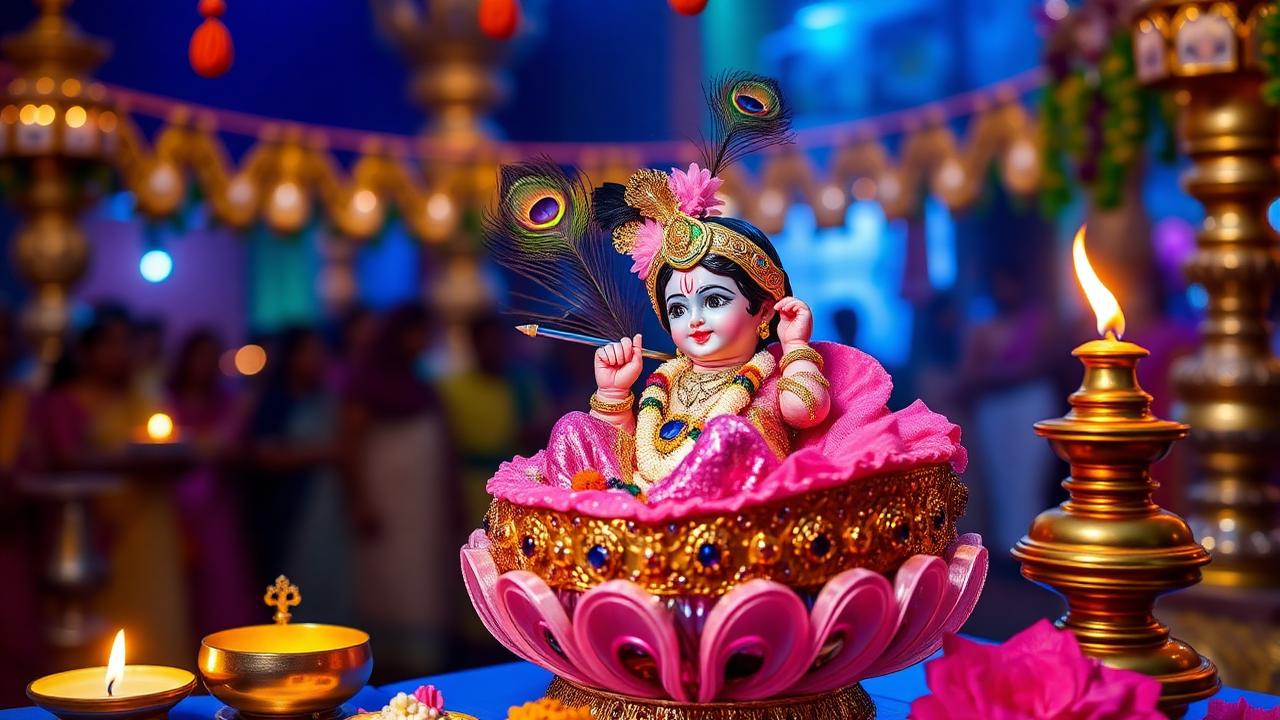
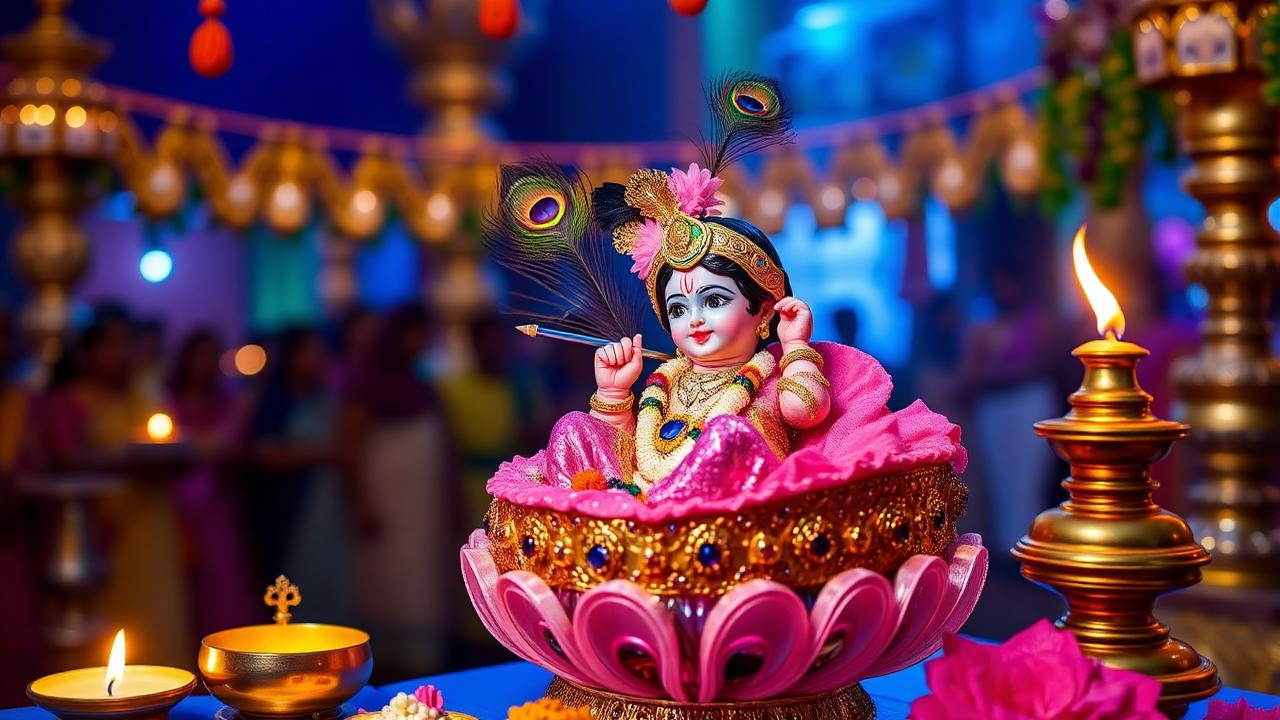
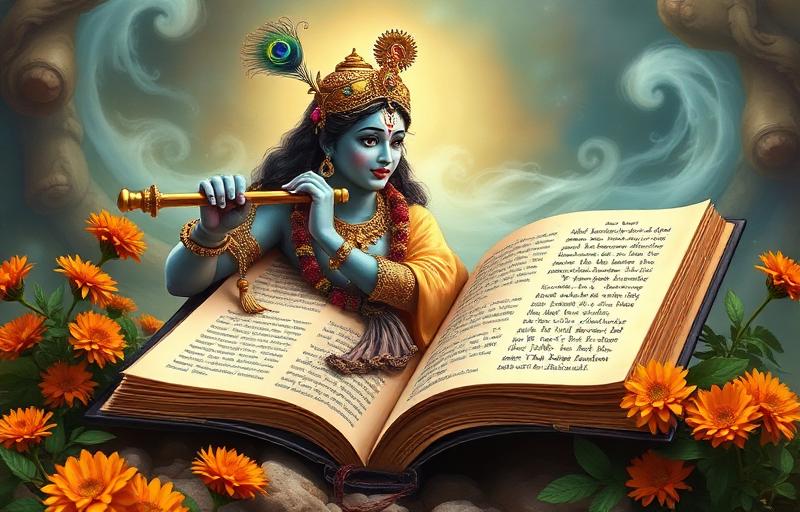
It is tempting, especially for a modern reader raised on films and novels, to read Radha and Krishna's bond through the lens of ordinary romance: two lovers, longing, separation, eventual reunion, all the familiar beats of a love story told a thousand times before. Popular culture, films, television serials and even greeting cards often lean gently into this framing without much thought. But classical Vaishnava tradition, particularly the Bhakti movement poets like Surdas, Mirabai and Jayadeva, never actually intended Radha-Krishna as a romance in the ordinary human sense at all. It is a devotional archetype, where Radha represents the individual soul (jivatma) and Krishna represents the supreme divine (paramatma), and their entire relationship functions as an extended metaphor for the soul's relationship with god.
This distinction matters considerably because reading the story literally, as simply two people in love, quietly misses what generations of saints and poets actually built the tradition to communicate across centuries of devotional literature. Krishna is not a romantic hero here in any conventional sense; he is the object of ultimate devotion, and Radha is not merely his beloved, she is the model devotee, the one whose entire being is oriented completely toward union with the divine. Every gesture in their shared story, longing, the jealousy of other gopis, the sharp pain of separation, carries a deeper spiritual reading layered quietly underneath the surface narrative most readers encounter first.
Understanding this reframing is not really about stripping the story of its emotional richness, if anything, it genuinely deepens it, since it means the intensity of feeling described in Radha's longing is meant to model the intensity a devotee is meant to feel toward the divine itself, not simply toward another person in an ordinary relationship.
Viraha: Longing as a Path to the Divine
A central concept running through Radha-Krishna literature is viraha, the pain of separation. In the Bhagavata Purana and later devotional poetry, particularly Jayadeva's Gita Govinda, enormous attention is given not to moments of union but specifically to Radha's anguish when Krishna is away from her, her restlessness through long nights, her searching, her flat refusal to be consoled by anything less than his actual physical presence beside her. This might seem like an odd thing for an entire devotional tradition to be built around, why dwell so heavily on absence rather than on presence and joy, but the underlying logic is precise and deliberate: viraha is considered the purest, most intense form of longing for the divine, sharper and more honest than the easy comfort of assumed or habitual closeness.
Bhakti saints held firmly that a devotee who has never genuinely felt the ache of god's absence has not yet fully understood what they are actually seeking in their practice. Comfortable, routine devotion, going through the motions of daily puja without ever truly feeling the distance, is considered a noticeably shallower stage than the devotee who genuinely, painfully misses the divine and keeps reaching anyway, day after day, without any guarantee of resolution. Radha's viraha, then, is not depicted anywhere in the tradition as a problem needing a quick solution, it is held up deliberately as the emotional gold standard of devotion, something for every devotee to aspire toward rather than to avoid or rush past.
This is precisely where the framework becomes genuinely useful well beyond scripture: it reframes spiritual dry spells, those moments when prayer feels empty or god feels distant, not as failures of faith but as a recognizable, even quietly honored, part of the devotional path itself, one that Radha herself embodies more fully than any other figure in the tradition.
Radha as the Ideal Devotee, Not Just a Consort
One of the more striking features of Radha's actual position in Vaishnava theology, especially within Gaudiya Vaishnavism as shaped historically by Chaitanya Mahaprabhu, is that she is not treated as secondary to Krishna in any meaningful sense at all. She is regarded as Hladini Shakti, his own essential energy of divine bliss and love, without which Krishna's nature is considered genuinely incomplete as a theological concept, not simply diminished. In this particular reading, Radha is not simply loved by Krishna from a distance, she is, in a very real theological sense, inseparable from who he fundamentally is as the divine.
This distinction matters enormously for how the archetype actually functions for an ordinary devotee trying to practice bhakti in daily life. Radha is not a passive object of Krishna's affection quietly waiting to be noticed or chosen; she is the active, seeking, yearning model of what genuine devotion looks like when it is total and entirely uncompromising in its intensity. Chaitanya Mahaprabhu himself is traditionally believed to have embodied Radha's own mood of devotion in his personal worship of Krishna, strongly suggesting that any devotee at all, regardless of gender, can and arguably should approach Krishna with Radha's specific intensity of longing rather than a more detached, transactional or cautious form of everyday prayer.
This reframes a genuine question many modern readers ask when first encountering the tradition: why does a story ostensibly about a divine couple center so heavily on just one figure's emotional experience rather than both equally? Because the tradition, properly understood, is not really about the couple as a pair at all, it is fundamentally about Radha as the template devotees are meant to study closely and, in their own personal worship, quietly attempt to inhabit for themselves.
What the Raas Leela Actually Symbolizes
The Raas Leela, Krishna's circular dance with Radha and the gopis under the Vrindavan moonlight, is frequently misread by casual readers as simply a romantic or even mildly indulgent episode tucked into the larger narrative. Traditional commentary reads it very differently indeed. In the most well-known version of the dance, Krishna is described as multiplying himself so that every single gopi feels, with complete conviction, that she is dancing with him alone, each one experiencing his full, complete and undivided attention entirely simultaneously with all the others.
This particular detail is the actual point of the entire story: it symbolizes that the divine is genuinely capable of intimate, complete presence with every devotee at once, without division, dilution or preference shown to any one over another, and that each devotee's relationship with god feels, and truly is, entirely personal, never diluted by the plain fact that countless others also seek that exact same closeness at the same time. The dance is therefore not about romantic exclusivity at all, it is about precisely the opposite, a vision of divine love expansive enough to be whole and complete for everyone simultaneously without loss.
Radha's place at the very center of this dance, and the tradition's firm insistence that Krishna eventually disappears from the dance specifically to seek Radha out alone afterward, reflects the deeper idea that supreme devotion, hers specifically above all the others, draws even the divine itself toward it. The gopis represent devotees in general terms; Radha represents devotion at its most complete and singular. Read this way, the Raas Leela becomes less a scene of romance and far more a teaching on the true nature of divine attention itself, generous and undivided, yet still fully capable of recognizing one soul's complete surrender as something genuinely distinct.
Why This Framework Still Resonates in a Fast Answers World
Modern life is largely organized around instant response: a message expects a quick reply within minutes, a search engine expects an immediate answer to nearly any question, a craving expects fast fulfillment through an app or a quick order. Against this constant backdrop, the Radha-Krishna model of devotion, one built entirely around sustained longing without any guaranteed resolution or timeline, can feel almost countercultural, even genuinely uncomfortable to sit with for very long. That discomfort is, in a strange way, exactly the point the tradition is quietly making to anyone willing to notice it.
Bhakti yoga, the path of devotion that Radha embodies most fully and completely of any figure in the tradition, does not promise a transactional relationship where sincere effort automatically guarantees an immediate, felt experience of the divine in return. It asks the devotee to keep showing up patiently, keep longing honestly, keep loving consistently, without treating god's apparent silence or perceived distance as clear evidence that the practice itself has somehow failed or gone wrong. For a generation raised on measuring most things by quick, visible feedback loops, this represents a genuinely different emotional skill worth deliberately building, real patience with unresolved longing, rather than mounting anxiety about it.
There is also something quietly reassuring in this specific framework for anyone currently going through a season where faith feels distant or prayer feels persistently unanswered despite real effort. Radha's story does not treat that particular experience as spiritual failure on the devotee's part; it treats it as one of the most honored emotional states in the entire devotional tradition, worth sitting with rather than fixing quickly. That single reframe, from failure to simply part of the course, carries genuine, practical value for a modern devotee navigating an uneven relationship with faith across an entire lifetime.
🪈 Vandnaa's Krishna bhajans and Radha-Krishna content are there for exactly those in-between moments, when devotion needs a quiet companion rather than an instant answer.
Carrying the Teaching Into Daily Life
Taken out of scripture and brought into daily practice, the Radha-Krishna framework offers a few genuinely concrete ideas worth holding onto well beyond festival days. First, devotion does not require constant, visible closeness to feel real or valid; a devotee moving through a quiet or distant season of faith is still, by this tradition's own standard, deeply engaged in the practice, not secretly failing at it despite how it might feel from the inside. Second, longing itself, missing something you cannot fully hold onto or resolve, whether that is a sense of purpose, connection, or peace, can genuinely be treated as sacred rather than simply as discomfort to be rushed past or medicated away.
Third, the story consistently suggests that sincerity and intensity of feeling matter considerably more than the outward completeness of ritual performed correctly. Radha's devotion is never once described in the tradition as procedurally perfect, it is described as total and unreserved. For anyone who feels their own puja or personal prayer life is inconsistent, interrupted or genuinely imperfect, this is a meaningful corrective worth remembering: the tradition's single most celebrated devotee is celebrated specifically for her heart's intensity, not for her flawless observance of external rules and procedures.
Finally, many devotees find it genuinely useful to simply sit quietly with a Radha-Krishna bhajan or the Radhe Krishna chant during moments of real longing, whether that longing is spiritual, emotional or of some other kind entirely, treating the act of chanting itself as a small form of Radha's viraha in miniature, practiced in an ordinary life. It does not need to resolve anything immediately, and the tradition never actually promised that it would. What it promises instead, more quietly, is that the longing itself, held sincerely and without rushing it, is already a form of closeness to the divine, not merely a wait for closeness still to arrive later.
Reader Questions Answered
Is the Radha-Krishna story meant to be read as a literal romance?+
No, classical Vaishnava tradition frames it as a devotional archetype, with Radha representing the individual soul and Krishna the divine, rather than a literal romantic relationship between two people.
What does viraha mean in the context of Radha and Krishna?+
Viraha means the pain of separation. In Radha-Krishna literature it represents the devotee's intense longing for the divine, considered one of the purest expressions of devotion.
Why is Radha considered equal to or greater than Krishna in some traditions?+
Radha is regarded as Hladini Shakti, Krishna's own energy of divine love and bliss, considered so integral to his nature that the two are treated as inseparable rather than one being subordinate to the other.
What does the Raas Leela actually symbolize in Vaishnava thought?+
It symbolizes the divine's capacity for complete, undivided presence with every devotee simultaneously, each gopi experiencing Krishna's full attention at once, rather than depicting literal romantic exclusivity.
How is this devotional framework relevant to someone today?+
It offers a way to see spiritual distance or unanswered longing not as failure but as a recognized, even honored, part of devotion, which is a genuinely useful reframe in a culture used to instant answers.
About the author
Pandit Mahesh Trivedi · Festival Traditions & Panchang
Pandit Mahesh leads the festival-date and Panchang content on Vandnaa. He cross-references multiple regional panchangs (Drik, Vaishnava, Bengali, Marathi) for every festival date published on the site.
Meet the Vandnaa editorial team →