The Mahima of Ram Naam
In the Bhakti tradition, the name of Lord Ram is considered supremely powerful - so much that saints say Ram the name is even greater than Ram the form. Goswami Tulsidas, in the Ramcharitmanas, devotes whole verses to the glory of the Naam, saying the name purifies the heart, removes sin and grants liberation. Chanting Shri Ram is a simple, universal practice open to everyone, requiring no special ritual, place or time.
The Taraka Mantra
The name Ram is known as the Taraka mantra - the mantra that tarah (ferries) the soul across the ocean of birth and death. It is said that at Kashi (Varanasi), Lord Shiva Himself whispers this Ram naam into the ear of the dying, granting liberation. The two syllables, Ra and Ma, are drawn from the great mantras of Vishnu and Shiva, uniting the grace of both. This is why even a single sincere utterance of Ram naam is considered immensely purifying.
The Chant - Shri Ram Jai Ram Jai Jai Ram
The most beloved and widely sung Ram naam dhun is:
Shri Ram Jai Ram Jai Jai Ram
This thirteen-syllable chant, given by the saint Samarth Ramdas, is repeated as japa and also sung melodiously as dhun or kirtan in homes and temples. Other simple forms include the soft repetition of Ram Ram and Sita Ram. The beauty of these chants is that they can be sung aloud, whispered, or held silently in the heart at any moment of the day.
Ram Naam Likhna - Writing the Name
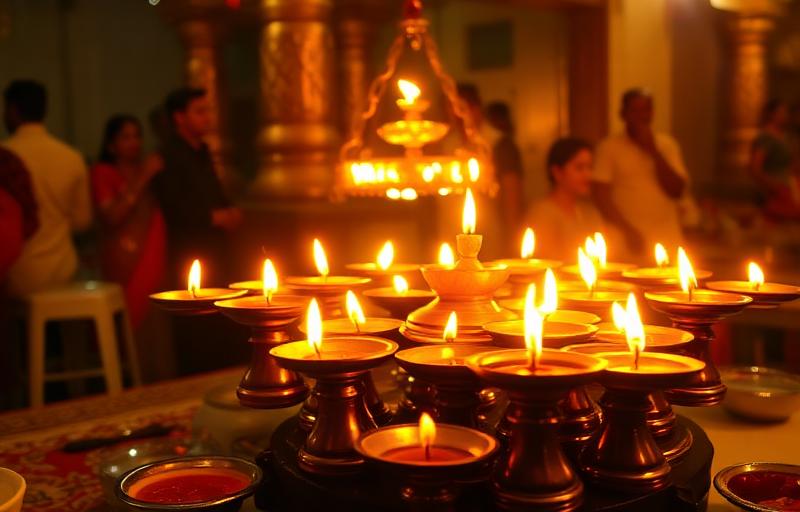
A cherished form of devotion is Ram naam likhna - writing Ram (राम) again and again in a dedicated notebook called a Ram naam bahi or kopi. Many devotees write it 108 times daily, while temples and ashrams collect crores of such written names. The practice combines the focus of the hand, eyes and mind, making it a powerful, meditative sadhana. Written Ram naam books are treated with great reverence and are sometimes offered at sacred sites or rivers.
Jap Vidhi - How to Practise
1. Bathe and sit on a clean asan, facing east or north in a quiet space. 2. Light a lamp or incense before an image of Lord Ram if possible. 3. Take a tulsi mala of 108 beads in your right hand. 4. Chant Shri Ram Jai Ram Jai Jai Ram or simply Ram Ram with each bead, completing one or more rounds. 5. Keep the mind gently focused on the meaning and on Lord Ram's form. 6. For Ram naam likhna, write राम a fixed number of times in your bahi with full attention. 7. End by bowing and dedicating the merit to all beings. Early morning (Brahma muhurat) is ideal, but Ram naam can be chanted at any time.
Benefits of Ram Naam Jaap
Constant remembrance of Ram naam is believed to purify the mind, dissolve fear and anxiety, and fill the heart with peace and devotion. It steadies the breath and lowers restlessness, making it a natural form of meditation. Saints teach that it burns away accumulated karma, protects in times of crisis, and ultimately leads the soul toward moksha. Even amid daily work, silent repetition of Ram naam keeps the mind anchored and serene.
Bringing Ram Naam Into Daily Life
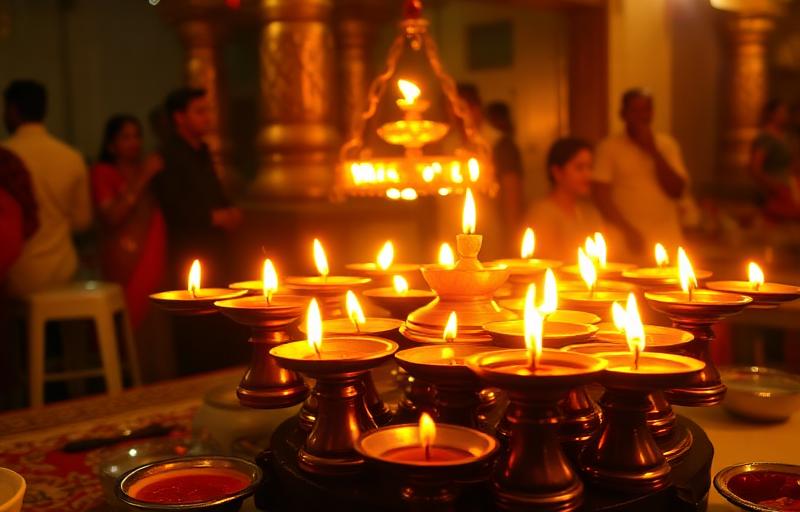
You do not need long hours to begin. Chant Ram Ram while walking, cooking or before sleep, and write a page of Ram naam each morning. Greeting others with Ram Ram or Jai Siya Ram is itself a sweet remembrance. The aim is ajapa jap - a state where the name flows in the heart on its own, turning every breath into a quiet prayer.
Reader Questions Answered
What is the Ram Naam chant?+
The most beloved chant is 'Shri Ram Jai Ram Jai Jai Ram', a thirteen-syllable mantra given by Samarth Ramdas. Simple forms like 'Ram Ram' and 'Sita Ram' are also widely repeated.
Why is Ram naam called the Taraka mantra?+
It is called the Taraka mantra because it ferries the soul across the ocean of birth and death. At Kashi, Lord Shiva is said to whisper Ram naam to the dying to grant them liberation.
What is Ram naam likhna?+
Ram naam likhna is the practice of writing 'राम' repeatedly in a dedicated notebook called a Ram naam bahi. It unites the hand, eyes and mind in a focused, meditative form of devotion.
How many times should you chant Ram naam daily?+
Many devotees chant one mala of 108 daily, or write Ram naam 108 times. There is no fixed limit - what matters most is regularity and devotion. Even constant silent remembrance is highly valued.
What are the benefits of Ram Naam Jaap?+
It purifies the mind, removes fear and anxiety, brings peace and devotion, and acts as a natural meditation. Saints teach that it burns away karma, protects in crisis and leads toward moksha.
Can anyone do Ram Naam Jaap?+
Yes. Ram naam is a universal practice open to all, needing no special ritual, place or time. Tulsidas taught that the name purifies anyone who chants it with faith, regardless of background.
About the author
Acharya Vinaya Kapoor · M.A. Sanskrit, Mantra & Stotra Studies
Acharya Vinaya holds an M.A. in Sanskrit from Banaras Hindu University and writes the mantra and stotra commentary on Vandnaa. Her focus is on accurate pronunciation, traditional context, and helping modern readers connect with classical texts.
Meet the Vandnaa editorial team →Explore on Vandnaa
Related Articles

Hanuman Chalisa Lyrics in Hindi & English (हनुमान चालीसा)
12 min read

Gayatri Mantra Meaning, Benefits & How to Chant (गायत्री मंत्र)
12 min read
Hare Krishna Maha Mantra – Lyrics, Meaning & Benefits
9 min read
Hanuman Ji Puja Niyam - Rules for Tuesday & Saturday
9 min read
Sankat Mochan Hanuman Temple Varanasi - Significance
8 min read

Ram Setu - Significance, Story & Facts
8 min read