How the Ramayana is Structured - Seven Kandas, One Journey
The Ramayana of Maharishi Valmiki contains about 24,000 shlokas arranged into seven books called kandas, a word that also means the segment of a bamboo or sugarcane stalk: each section is complete in itself, yet part of one growing stem. The seven kandas are Bala, Ayodhya, Aranya, Kishkindha, Sundara, Yuddha (Lanka) and Uttara. Together they follow Lord Rama from childhood to coronation and beyond, and each kanda carries its own mood: wonder, sorrow, longing, friendship, hope, victory and reflection. Tulsidas's Ramcharitmanas keeps the same sevenfold shape, calling its sections sopanas (steps), as if the whole epic were a ghat of seven steps leading the devotee down into the holy lake (manas sarovar) of Rama's story.
Bala Kanda and Ayodhya Kanda - Birth, Childhood and Exile
Bala Kanda (the Book of Childhood) opens with King Dasharatha of Ayodhya performing a yajna for sons. Rama, Bharata, Lakshmana and Shatrughna are born; sage Vishwamitra takes young Rama and Lakshmana to protect his yajna from demons, and the journey ends in Mithila, where Rama breaks Shiva's bow and weds Sita. The mood is one of dawn and divine promise. Ayodhya Kanda turns joy into heartbreak. On the eve of Rama's coronation, queen Kaikeyi, prompted by Manthara, claims her two boons: Bharata's coronation and Rama's fourteen-year exile. Rama accepts without bitterness, and Sita and Lakshmana insist on accompanying him. Dasharatha dies of grief, and Bharata, refusing the throne, places Rama's sandals upon it. This kanda is the epic's great study of dharma, sacrifice and family love.
Aranya Kanda and Kishkindha Kanda - The Forest and the Alliance
Aranya Kanda (the Book of the Forest) follows the trio through thirteen years among sages and demons. The demoness Shurpanakha is humiliated, her brothers Khara and Dushana fall in battle, and Ravana, burning for revenge, sends Maricha as a golden deer. Sita is drawn to it, Rama pursues it, and in their absence Ravana abducts Sita, mortally wounding the noble vulture Jatayu who tries to stop him. The kanda ends with Rama's anguished search. Kishkindha Kanda brings hope through friendship. Rama meets Hanuman and through him the exiled monkey prince Sugriva. Rama slays the mighty Vali, restores Sugriva to his throne, and in return Sugriva sends search parties in all directions. The southern party, guided by Jatayu's brother Sampati, learns that Sita is held in Lanka across the ocean.
Sundara Kanda - The Beautiful Book and Why It Is Special

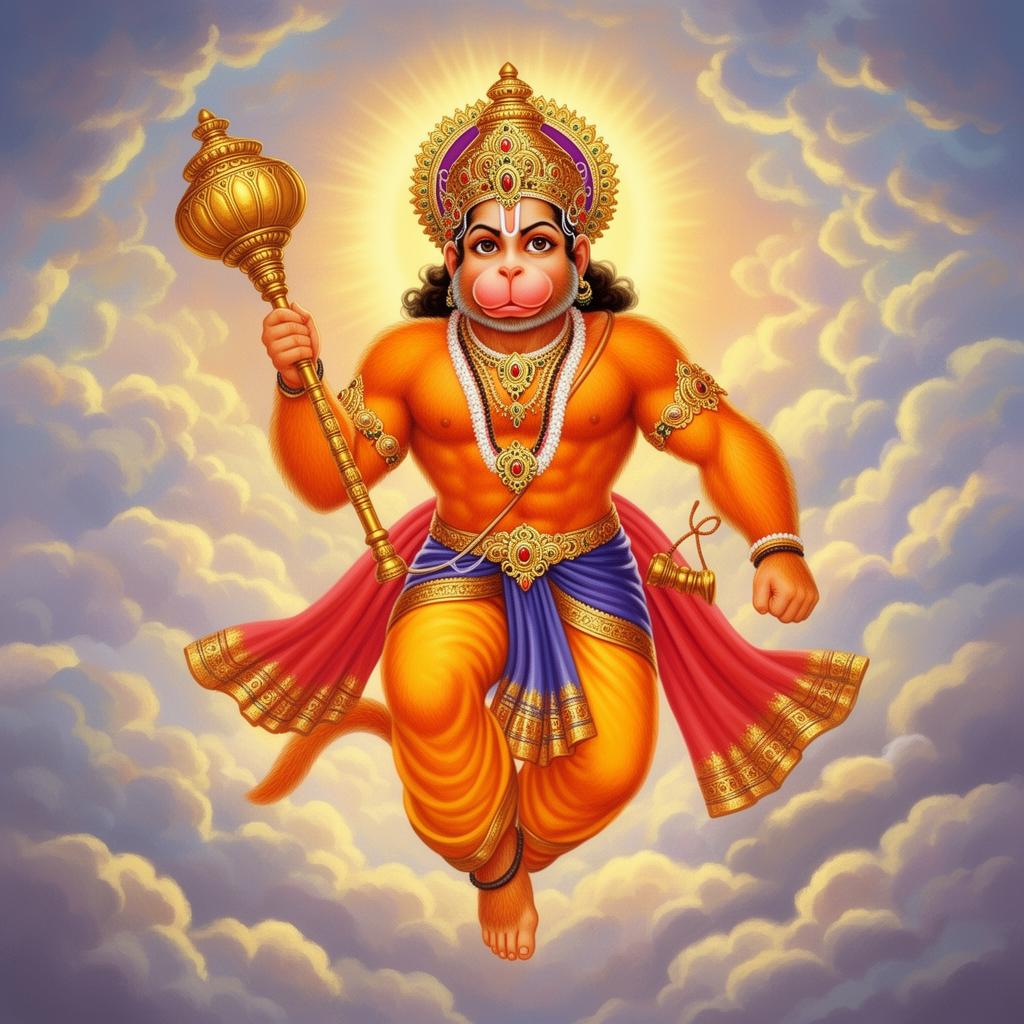
Sundara Kanda (the Beautiful Book) belongs to Hanuman. He leaps across the hundred-yojana ocean, overcoming Surasa, Simhika and his own doubts, searches Lanka through the night, and finds Sita beneath an Ashoka tree, sorrowful yet unbroken. He gives her Rama's ring, comforts her with news of rescue, then allows himself to be captured, counsels Ravana, and when his tail is set ablaze, burns Lanka before flying back with the message: 'I have seen Sita.' It is the only kanda named for a quality rather than a place or event, and tradition offers many reasons: it celebrates the beauty of devotion, courage and hope. This is why Sunderkand path is recited independently in homes during difficulty; devotees say that where every door seems closed, Hanuman's leap reminds the heart that the ocean can be crossed.
Yuddha Kanda (Lanka Kanda) - The Great War and Victory
Yuddha Kanda, called Lanka Kanda in the Ramcharitmanas, is the longest book of the war. Rama's army builds the Rama Setu bridge across the ocean with the help of Nala, Nila and the vanara host. Ravana's righteous brother Vibhishana, rejected for counselling peace, takes refuge with Rama and is embraced. The battle rages: Lakshmana falls to Indrajit's weapon and is revived by the Sanjivani herb that Hanuman brings by carrying an entire mountain; Kumbhakarna and Indrajit fall; and finally Rama slays Ravana in single combat. Sita is freed, Vibhishana is crowned king of Lanka, and the fourteen years end exactly as the party flies home in the Pushpaka Vimana. Rama's coronation, Rama Rajyabhisheka, ushers in Rama Rajya, the ideal reign of justice and prosperity celebrated to this day on Diwali.
Uttara Kanda and Traditions of Reading the Ramayana
Uttara Kanda (the Later Book) reflects on what follows victory: Rama's reign, the histories of Ravana and Hanuman narrated by sages, Sita's departure to Valmiki's ashram where Lava and Kusha are born and grow up singing the Ramayana itself, and the eventual return of all to their divine origins. Many scholars regard parts of it as a later addition, and devotional traditions often conclude public recitations with the Yuddha Kanda's coronation, on the principle of ending with auspiciousness. Reading traditions are rich and varied. 1. Navanha Parayana: completing the epic in nine days. 2. Masa Parayana: a slower month-long reading. 3. Akhand Ramayana: an unbroken 24-hour recitation of the entire Ramcharitmanas. 4. Sunderkand path on Tuesdays or Saturdays, often in groups. Whatever the format, tradition treats the text as a living presence, begun with prayer and ended with aarti.
Frequently Asked Questions
What are the 7 kandas of the Ramayana in order?+
The seven kandas in order are: Bala Kanda, Ayodhya Kanda, Aranya Kanda, Kishkindha Kanda, Sundara Kanda, Yuddha Kanda (called Lanka Kanda in the Ramcharitmanas) and Uttara Kanda.
Why is the Sundara Kanda called 'beautiful'?+
It is the only kanda named for a quality rather than a place or event. Tradition links the name to the beauty of Hanuman's devotion and courage, the beauty of hope restored to Sita, and the poetic beauty of the book itself. Hanuman is also lovingly called Sundara.
Which kanda contains the war with Ravana?+
The war is described in the Yuddha Kanda, the sixth book, which the Ramcharitmanas calls Lanka Kanda. It covers the building of Rama Setu, Vibhishana's surrender, the great battles, Ravana's death, Sita's release and Rama's coronation.
Can Sunderkand be read separately from the full Ramayana?+
Yes. Sunderkand path is one of the most popular independent recitations in Hindu homes, traditionally done on Tuesdays or Saturdays. Devotees turn to it in times of difficulty, drawing strength from Hanuman's faith and fearlessness.
How many shlokas are there in the Valmiki Ramayana?+
The Valmiki Ramayana traditionally contains about 24,000 shlokas distributed across its seven kandas, which is why it is also called the Chaturvimshati Sahasri Samhita, the collection of twenty-four thousand verses.
What is the Uttara Kanda about?+
The Uttara Kanda describes events after Rama's coronation: his reign, the back-stories of Ravana and Hanuman, Sita's stay at Valmiki's ashram, the birth of Lava and Kusha, and the conclusion of the avatara. Many recitation traditions end with the Yuddha Kanda's coronation for auspiciousness.
About the author
Anjali Mehta · Editor, M.A. Religious Studies
Anjali is the managing editor for Vandnaa and oversees the festival and vrat coverage. She holds an M.A. in Religious Studies and reviews every published article for accuracy, accessibility, and tradition-fidelity.
Meet the Vandnaa editorial team →