What Is Sunderkand - The Fifth Kanda of the Ramcharitmanas
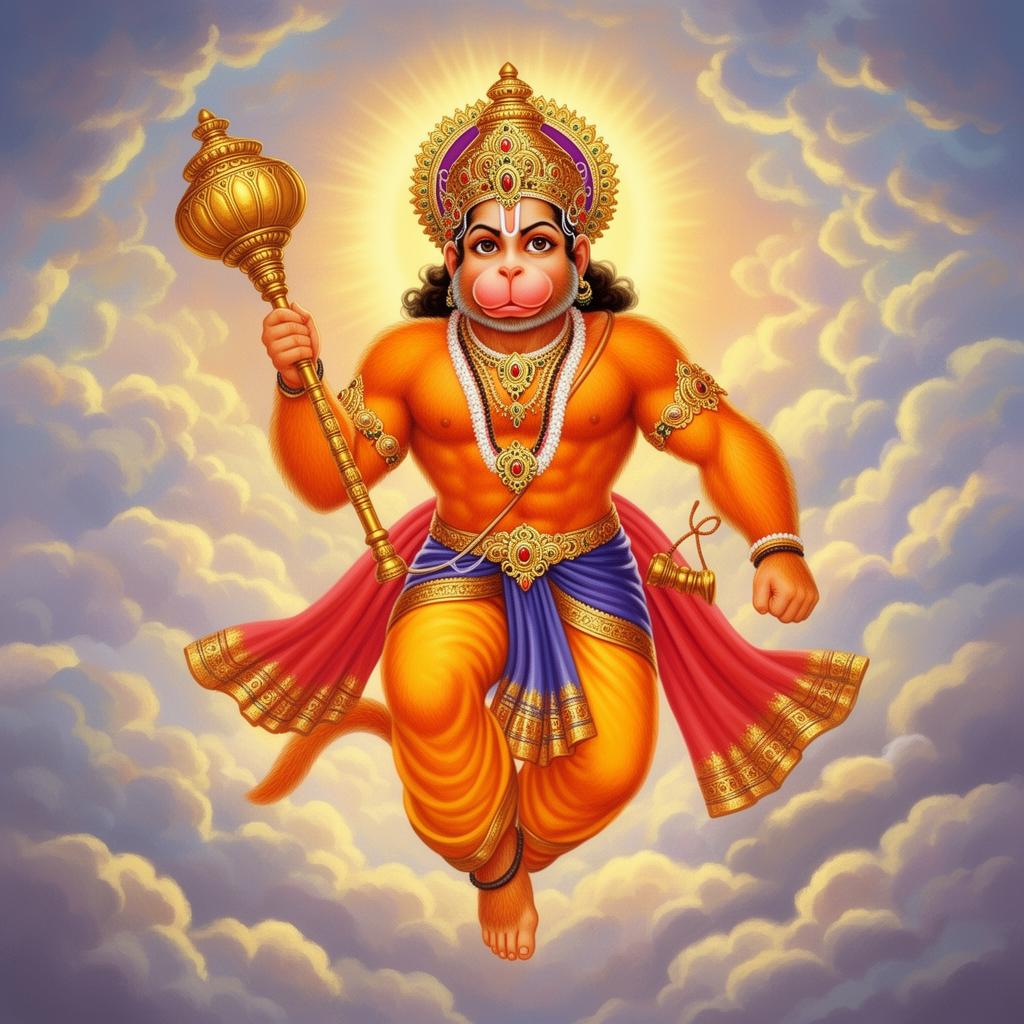
Sunderkand is the fifth of the seven kandas of Goswami Tulsidas's Ramcharitmanas, and it stands apart from every other chapter in one striking way: it is the only kanda in which Hanuman Ji, not Lord Rama, is the central figure on stage. The kanda narrates Hanuman's mighty leap across the hundred-yojana ocean, his search through Lanka, his meeting with Mata Sita in the Ashok Vatika, the burning of Lanka and his triumphant return with news of Sita. The name itself carries meaning. Lanka was built on the Trikuta hill, whose three peaks were called Subel, Neel and Sundar; the Ashok Vatika where Sita was held stood on the Sundar peak, so the kanda describing the events there came to be called Sunderkand, the beautiful chapter. Devotees also say it is sundar because it describes the most beautiful thing of all - a devotee's faith carrying him across an impossible ocean.
Why Sunderkand Is Recited More Than Any Other Kanda
Among all seven kandas, Sunderkand is the one Hindu households return to again and again, and the reason is deeply psychological as much as devotional. Every other kanda describes events that happen to Rama; Sunderkand describes what a devotee can do when armed with nothing but faith in Rama. Hanuman faces every kind of obstacle a human being recognises from daily life: a vast ocean of impossibility, temptation and distraction (Surasa), hidden enemies that pull you down (Simhika), the glittering fortress of fear (Lanka) and moments of doubt. He overcomes each one by remembering Rama. That is why elders say: when life feels stuck, read Sunderkand. The kanda is, in essence, a victory chapter - it begins with an impossible task and ends with 'kaaj kinha', the work accomplished. Reciting it is a way of placing your own impossible task at Hanuman Ji's feet and borrowing his courage for the crossing.
When to Do Sunderkand Path - Tuesday, Saturday and Special Occasions
Sunderkand can be read on any day with devotion, but tradition gives special weight to certain days. 1. Tuesday (Mangalvar) - the day most dear to Hanuman Ji; path done on Tuesday is believed to carry his special blessing. 2. Saturday (Shanivar) - also dedicated to Hanuman; devotees facing prolonged difficulties often choose Saturday paths. 3. Purnima and Amavasya - many families do a monthly path on the full moon or new moon. 4. Hanuman Jayanti, Ram Navami and Navratri - festival paths, often done collectively. The ideal time of day is Brahma Muhurat or early morning after bathing, though evening recitation after sunset lamps is equally accepted. What matters more than the clock is consistency: a fixed day, a fixed place and a quiet mind. Many devotees take up a sankalp of 11, 21 or 41 consecutive Tuesdays for a specific prayer, completing the cycle with a small offering of boondi or churma to Hanuman Ji.
Complete Sunderkand Path Vidhi - Sankalp, Setup and Sequence

The vidhi is simple enough for any home. 1. Prepare the space - after bathing, clean a corner, lay a red cloth and place pictures or murtis of Rama Darbar and Hanuman Ji. 2. Light the lamp - a ghee or oil diya and incense; offer flowers, and if possible sindoor and chola items to Hanuman Ji. 3. Take sankalp - holding water and rice in the right palm, state your name, the date, your prayer and the number of paths you intend, then release the water. 4. Invoke first - begin with a short Ganesh smaran, then Shri Ramaya Namah and Hanuman Chalisa or the opening mangalacharan shlokas of Sunderkand. 5. Recite the path - all 60 dohas with their chaupais, ideally aloud and unhurried; a full path takes about 2 to 3 hours, or split it over days. 6. Conclude - Hanuman Ji ki aarti, bhog of boondi or gur-chana, and prasad distribution.
Akhand Path vs Daily Path - Which One Should You Choose
There are two honoured ways of completing Sunderkand, and neither is superior to the other. An akhand path is the unbroken recitation of the entire kanda in one sitting, traditionally done with family or a satsang group, often with musical accompaniment of dholak and manjira. It suits special sankalps, festivals, a new home, or a family praying together through a crisis. A daily path divides the kanda into small portions - commonly a few dohas a day - so the whole kanda is completed over a week, a fortnight or a month, and then begun again. It suits working people, students and elders who cannot sit for three hours. The shastra principle is yatha shakti - according to your capacity. A short daily reading done with full attention is considered more fruitful than a long recitation done with a wandering mind. Choose the form you can sustain, and let the regularity itself become your offering.
Key Episodes of Sunderkand - The Story in Brief
Knowing the storyline makes every recitation richer. 1. The leap - empowered by Jambavan's reminder of his own strength, Hanuman leaps from Mount Mahendra across the ocean. 2. Three tests - he honours Mainak mountain without resting, outwits the serpent-mother Surasa with humility, and slays the shadow-catching demoness Simhika. 3. Entering Lanka - in a tiny form at night, he is blessed by Lankini and discovers Vibhishan, a devotee of Rama inside the enemy city. 4. Meeting Sita - in the Ashok Vatika he drops Rama's ring, consoles Mata Sita and receives her chudamani. 5. Burning of Lanka - captured deliberately, his tail set alight, he burns the golden city and warns Ravana. 6. The return - he reports 'I have seen Sita', and the kanda closes with Vibhishan's surrender to Rama and the ocean granting passage for the bridge.
Benefits of Sunderkand Path and the Rules to Follow
Devotees across generations attribute consistent fruits to this path. The foremost is courage - Sunderkand is read when fear, anxiety or hopelessness dominate, because its every verse models faith defeating fear. Second is the removal of obstacles in work, marriage, health matters and court or career struggles; Hanuman Ji is Sankat Mochan, the remover of crises. Third, regular path is said to keep negative influences and nightmares away from the home, and to deepen Ram bhakti in the whole family. The rules are few and gentle: maintain physical cleanliness and bathe before the path; keep the book on a stand (chauki or vyasa), never on the floor; do not get up mid-path for an akhand reading; avoid tamasic food and alcohol on path days; speak no harsh words that day; and always end with aarti and a humble prayer rather than demands. Faith, not perfection of pronunciation, is the true requirement.
Quick Answers
How long does one complete Sunderkand path take?+
A full recitation of all 60 dohas with their chaupais takes about 2 to 3 hours at an unhurried pace. Musical group paths with dholak and manjira often take 3 to 4 hours. If that is too long, divide the kanda into daily portions and complete it over a week or a month - tradition fully accepts this.
Can women do Sunderkand path?+
Yes, absolutely. Sunderkand is open to everyone - men, women, children and elders. Women lead Sunderkand mandalis in countless homes and temples. The only traditional pause some families observe is during the monthly cycle, and even that varies by family custom; bhakti itself has no such barrier.
Can I do Sunderkand path alone at home?+
Yes. While group paths have their own joy, a solitary path done with attention is equally fruitful. Clean a corner, light a diya before Hanuman Ji, take a simple sankalp and read aloud at your own pace. Many devotees find that the quiet solo path on Tuesday mornings becomes the anchor of their week.
Why are Tuesday and Saturday considered best for Sunderkand?+
Both days are traditionally dedicated to Hanuman Ji. Tuesday (Mangalvar) is linked with his birth and his fiery, protective energy, while Saturday is associated with his role as the refuge of those in distress. Path on these days is believed to carry his special grace, though any day read with faith is auspicious.
I cannot pronounce Awadhi correctly. Is my path still valid?+
Yes. Tulsidas wrote the Manas in Awadhi precisely so that ordinary people, not just Sanskrit scholars, could sing of Rama. Tradition holds that bhava (feeling) outweighs flawless pronunciation. Read slowly, follow a Hindi meaning alongside if it helps, and let the understanding deepen naturally over repeated paths.
What should I do if my akhand path gets interrupted?+
Do not treat it as a bad omen. Tradition simply suggests folding hands, seeking forgiveness from Hanuman Ji for the break (kshama prarthana), and resuming from the doha where you stopped, or restarting the path if you prefer. Hanuman Ji values the devotion behind the effort far more than unbroken mechanics.
About the author
Anjali Mehta · Editor, M.A. Religious Studies
Anjali is the managing editor for Vandnaa and oversees the festival and vrat coverage. She holds an M.A. in Religious Studies and reviews every published article for accuracy, accessibility, and tradition-fidelity.
Meet the Vandnaa editorial team →