Two Tellings, One Rama - Why the Comparison Matters
When devotees say 'Ramayana', they may mean two different texts. The Valmiki Ramayana is the original Sanskrit epic, honoured as the adi-kavya (first poem) of world literature, composed by Maharishi Valmiki. The Ramcharitmanas is Goswami Tulsidas's 16th-century retelling in Awadhi, the language of the common people of North India. Both narrate the life of Lord Rama: his birth in Ayodhya, exile, the abduction of Sita, the battle with Ravana and his return as king. Yet they were written roughly two thousand years apart, in different languages, for different purposes. Understanding their differences is not about ranking them; it deepens appreciation for both. One is the majestic source river, the other a sweet canal that carried its waters to every village courtyard.
Language and Era - Sanskrit Adi-Kavya vs Awadhi Bhakti Poetry
The most visible difference is language. Valmiki composed in classical Sanskrit, in the shloka metre that he himself is said to have discovered when grief (shoka) at a hunter killing a bird burst from him as verse. Tradition places the Valmiki Ramayana many centuries before the common era, and scholars date its core text to roughly 500 BCE to 100 BCE. It contains about 24,000 shlokas across seven kandas. The Ramcharitmanas was begun by Tulsidas in 1574 CE in Ayodhya and written largely in Varanasi, in Awadhi, using chaupai and doha metres that are easy to sing and remember. Tulsidas chose the people's tongue deliberately, so that farmers, mothers and children could taste Rama's story without knowing Sanskrit. That single choice made the Manas the most recited scripture of North India.
Purpose and Mood - Valmiki's Ideal Man vs Tulsidas's Supreme Lord
The deeper difference lies in how each poet sees Rama. Valmiki asks the sage Narada, 'Who is the ideal man alive today?' and receives Rama as the answer. His Rama is maryada purushottama, the perfect human: a hero of dharma who feels grief, doubt and pain, which makes his steadfastness all the more moving. The Valmiki Ramayana reads as history-poetry (itihasa-kavya), majestic and human. Tulsidas, writing at the height of the bhakti movement, begins from the settled conviction that Rama is Para Brahman, the Supreme Reality, walking the earth out of grace. The Manas is therefore a scripture of devotion: every episode becomes an occasion for love, and the poet repeatedly pauses to sing the glory of Rama's name (Rama nama). Valmiki shows us a man rising to divinity; Tulsidas shows divinity stooping to walk among us.
Key Differences in Episodes and Emphasis
Several well-known differences flow from these distinct purposes. 1. Structure: Valmiki has seven kandas including the Uttara Kanda; Tulsidas also has seven sections but reshapes them, making Bala Kanda very expansive and the Lanka Kanda comparatively brief. 2. Sita's trial: episodes such as Sita's agni pariksha are presented starkly in Valmiki; Tulsidas softens it with the concept of a shadow Sita (chhaya Sita) who undergoes the events of the abduction, protecting the real Sita's dignity. 3. Shiva's presence: the Manas is framed as a dialogue involving Shiva and Parvati, beautifully uniting Shaiva and Vaishnava devotion; this framing is absent in Valmiki. 4. Tone: Valmiki includes courtly detail, geography and battle strategy; Tulsidas compresses events and expands praise, prayer and the inner feelings of devotees like Bharata and Hanuman.
Hanuman and the Sundara Kanda - A Shared Heart
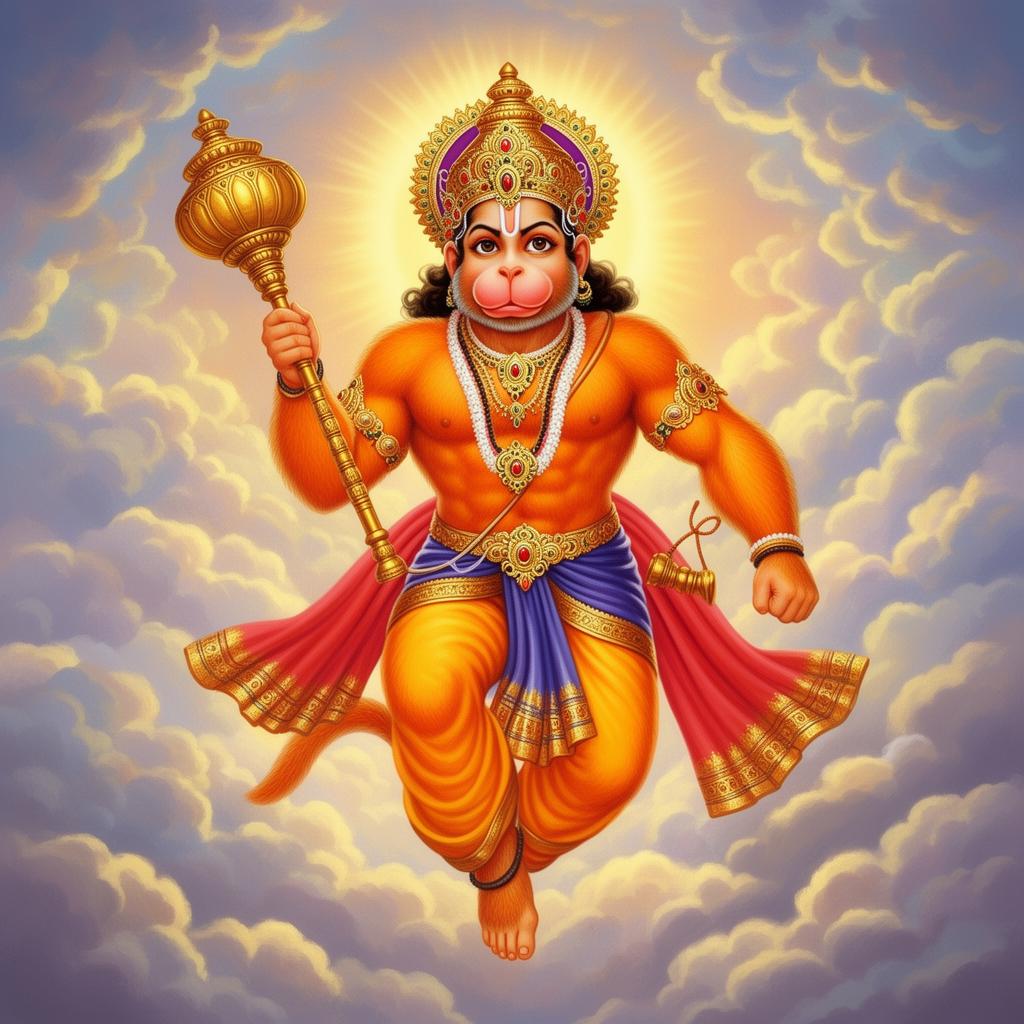
In both texts, the Sundara Kanda is the emotional summit, and Hanuman is its hero. Valmiki's Sundara Kanda is celebrated for its poetry: Hanuman's mighty leap across the ocean, his search through Lanka, and his meeting with Sita in the Ashoka grove are rendered with stunning imagery. Tulsidas inherits this love and intensifies its devotional charge; his Sunderkand is recited independently in countless homes as a remedy for fear and obstacles, and his Hanuman Chalisa grew from the same devotion. The two texts also agree on the essentials: Rama's compassion, Sita's strength, Lakshmana's service, Bharata's renunciation and Hanuman's surrender. Wherever the tellings differ in detail, they converge completely in their reverence for these figures, which is why devotees rarely feel any conflict between them.
Which Should You Read - And Why Both Are Revered
There is no wrong door into Rama's story. If you seek the original epic, its history, geography and the full sweep of ancient Sanskrit poetry, begin with a good translation of the Valmiki Ramayana. If you seek devotional nourishment, daily recitation and verses that melt easily into prayer, the Ramcharitmanas is unmatched; millions sing its chaupais without ever reading another scripture. Many devotees happily keep both: Valmiki for depth of narrative, Tulsidas for depth of feeling. The tradition itself honours this harmony; Tulsidas repeatedly bows to Valmiki in the Manas and is even regarded in popular belief as Valmiki reborn. Reading them together is like seeing a sacred mountain from two sides: the outline is the same, but each view reveals beauty the other cannot show.
Frequently Asked Questions
What is the main difference between Ramcharitmanas and Valmiki Ramayana?+
The Valmiki Ramayana is the original Sanskrit epic portraying Rama as the ideal man, while the Ramcharitmanas is Tulsidas's 16th-century Awadhi retelling that worships Rama as the Supreme Lord. They differ in language, era, structure and devotional emphasis.
Which is older, Valmiki Ramayana or Ramcharitmanas?+
The Valmiki Ramayana is far older. It is the adi-kavya, with its core dated by scholars to roughly 500 BCE to 100 BCE, while the Ramcharitmanas was composed by Tulsidas beginning in 1574 CE, about two thousand years later.
In which language is the Ramcharitmanas written?+
The Ramcharitmanas is written in Awadhi, a language of the common people of North India, using chaupai and doha metres that are easy to sing. The Valmiki Ramayana, by contrast, is in classical Sanskrit shlokas.
Why did Tulsidas write the Ramayana in Awadhi instead of Sanskrit?+
Tulsidas wanted Rama's story and the path of bhakti to reach ordinary people: farmers, women and children who did not know Sanskrit. Writing in Awadhi made the scripture singable and accessible, which is why it became the most recited text of North India.
Is the story different in the two Ramayanas?+
The core story is the same: Rama's birth, exile, Sita's abduction, the war with Ravana and the return to Ayodhya. Differences lie in emphasis and certain episodes, such as Tulsidas's chhaya Sita concept, the Shiva-Parvati dialogue framing, and the expanded devotional passages in the Manas.
Which Ramayana should a beginner read first?+
For devotional practice and daily recitation, most devotees begin with the Ramcharitmanas or just its Sunderkand. For the complete original narrative, a translated Valmiki Ramayana is ideal. Both are revered, and many readers eventually enjoy both for different reasons.
About the author
Anjali Mehta · Editor, M.A. Religious Studies
Anjali is the managing editor for Vandnaa and oversees the festival and vrat coverage. She holds an M.A. in Religious Studies and reviews every published article for accuracy, accessibility, and tradition-fidelity.
Meet the Vandnaa editorial team →