What Is the Ramayana?
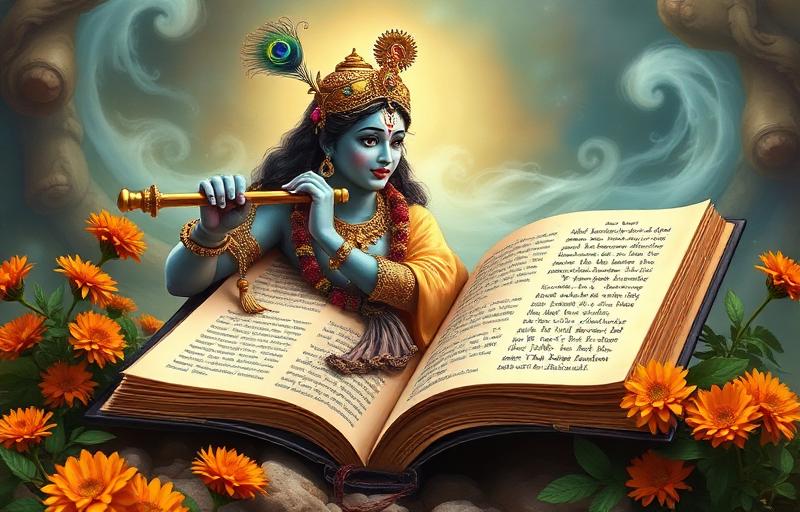
The Ramayana is one of the two great epics of India, the story of Lord Rama - the seventh avatar of Vishnu - his wife Sita, his brother Lakshmana, and the devoted Hanuman. Composed in Sanskrit by the sage Valmiki, it is honoured as the Adi Kavya, the first poem.
Its later Awadhi retelling, the Ramcharitmanas of Goswami Tulsidas, made the story the very heart of Ram bhakti in North India. At its centre the Ramayana is a guide to dharma - how a son, a brother, a wife, a friend and a king should live. The epic is arranged in seven kands (books), each carrying the story forward and teaching its own lesson.
The 7 Kands of the Ramayana
The Ramayana is told across seven kands. Here is each in a single line:
- Bala Kand (Book of Childhood) - the birth of Rama and his brothers, their training, the breaking of Shiva's bow and Rama's marriage to Sita.
- Ayodhya Kand (Book of Ayodhya) - Rama is to be crowned, but Kaikeyi's boon sends him to fourteen years of exile with Sita and Lakshmana.
- Aranya Kand (Book of the Forest) - life in the forest, the meeting with sages and demons, and the abduction of Sita by Ravana.
- Kishkindha Kand (Book of Kishkindha) - Rama's alliance with Sugriva and the vanaras, and the start of the search for Sita.
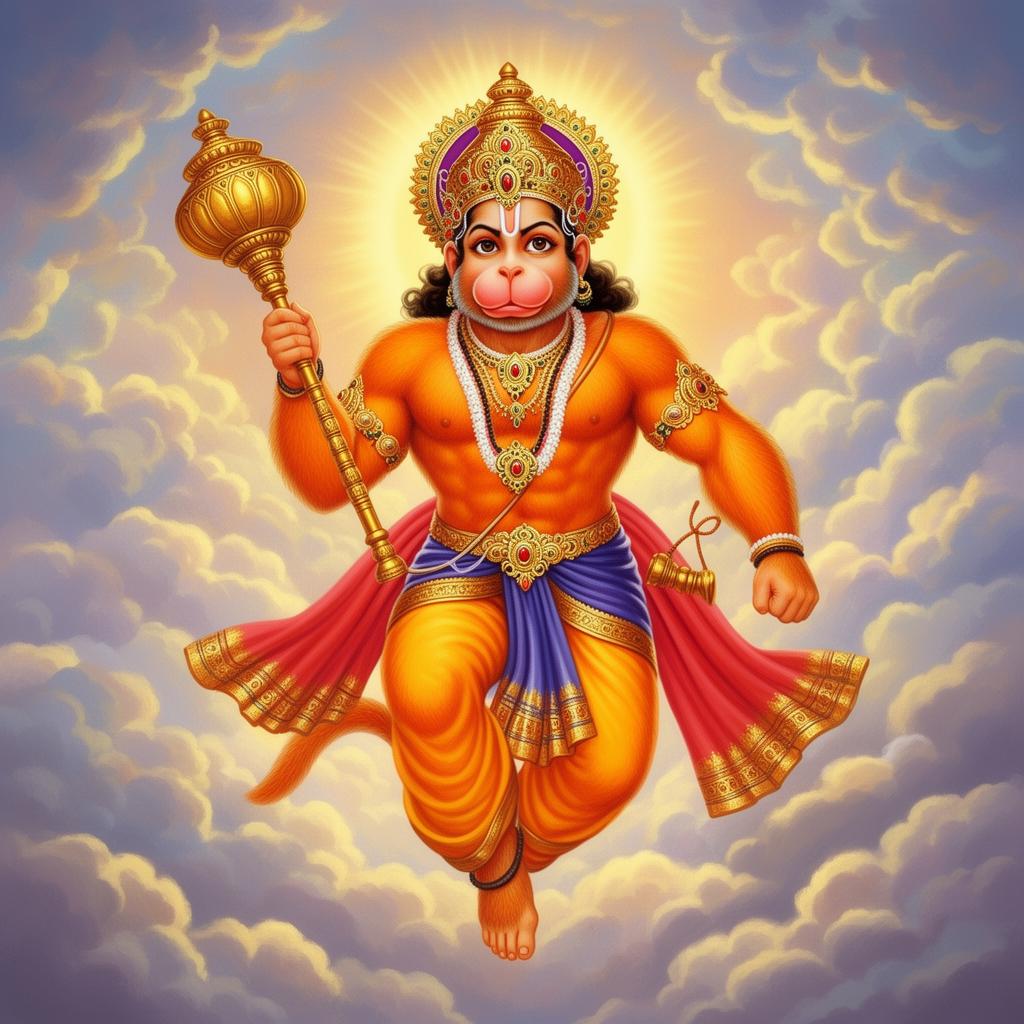
- Sundara Kand (Book of Beauty) - Hanuman's leap to Lanka, his finding of Sita and the burning of Lanka; the most recited kand.
- Yuddha Kand (Book of War) - the building of the bridge, the great battle and the victory of Rama over Ravana.
- Uttara Kand (Book of the Aftermath) - the return to Ayodhya, the coronation of Rama, and the later events of his reign.
The Heart of the Story
Beneath its grand adventure, the Ramayana is a study of dharma in action. Rama gives up the throne without a word of complaint to keep his father's promise - this is why he is called Maryada Purushottam, the perfect man who never crosses the line of righteousness.
Sita's steadfastness, Lakshmana's selfless service, Bharata's renunciation in ruling Ayodhya in Rama's name, and Hanuman's boundless devotion each show a different face of dharma. Even Ravana, learned and mighty, falls because ego and desire pull him from the path. The epic teaches that true greatness lies not in power but in keeping one's word and walking the path of righteousness, whatever the cost.
Why the Ramayana Still Guides Us

For thousands of years the Ramayana has been more than a story; it is a way of life recited in homes, sung in kirtans and enacted in the Ramlila every year before Dussehra and Diwali.
- Sundarkand is read for courage, protection and the removal of obstacles, inspired by Hanuman's fearless devotion.
- The whole epic is a model of family love - the bond of brothers, the loyalty of husband and wife, the duty owed to parents.
- Its values of truth, sacrifice and humble service speak to every generation.
To read or hear the Ramayana with devotion is to invite Rama's dharma into daily life - to choose duty over comfort, faith over fear, and love over pride.
Common Questions From Devotees
How many kands are there in the Ramayana?+
The Valmiki Ramayana has seven kands (books): Bala Kand, Ayodhya Kand, Aranya Kand, Kishkindha Kand, Sundara Kand, Yuddha Kand and Uttara Kand.
Why is Sundarkand the most recited kand?+
Sundarkand tells of Hanuman's leap to Lanka, his finding of Sita and the burning of Lanka. It is full of hope and courage and is recited for protection, removal of obstacles and fearlessness.
Who wrote the Ramayana?+
The original Ramayana was composed in Sanskrit by the sage Valmiki and is honoured as the Adi Kavya, the first poem. Goswami Tulsidas later retold it in Awadhi as the Ramcharitmanas.
Why is Rama called Maryada Purushottam?+
Rama is called Maryada Purushottam, the perfect man, because he always upholds dharma and never crosses the line of righteousness - keeping his father's promise even at the cost of the throne and fourteen years of exile.
About the author
Anjali Mehta · Editor, M.A. Religious Studies
Anjali is the managing editor for Vandnaa and oversees the festival and vrat coverage. She holds an M.A. in Religious Studies and reviews every published article for accuracy, accessibility, and tradition-fidelity.
Meet the Vandnaa editorial team →