What Is Sakat Chauth
Sakat Chauth, also known as Til Kuta Chauth, Sankashti Chaturthi and Maghi Chauth, is a vrat dedicated to Lord Ganesh, the remover of obstacles (sankat). Mothers keep this fast for the long life, health and success of their children. The day's offerings centre on til (sesame) and gud (jaggery), from which sweets and a special bhog are made. The fast is broken at night after worshipping the moon.
Tithi, Timing and Month
Sakat Chauth falls on the Chaturthi (fourth day) of Krishna Paksha in the month of Magh, usually in January or February. It is the most important Sankashti Chaturthi of the year for devotees of Ganesh. The vrat is kept through the day and broken at night only after sighting the moon and offering arghya. The moonrise on this day is often late, so devotees wait patiently. Always confirm the exact date and moonrise time with your local Panchang for the year.
Sakat Chauth Vrat Katha
A well-known katha tells of a poor old potter woman who could not fire her pots properly; they kept breaking in the kiln. Someone advised that if she offered a child as sacrifice the pots would harden, and out of desperation she silently wished so. When the king's pots were fired, a young boy was found alive among them, protected by his mother's vow to worship Sakat Mata and Lord Ganesh. The grateful mother had kept the Sakat Chauth vrat with full devotion, and Ganesh saved her child from harm. The story spread, and women began keeping the Sakat Chauth fast every year, praying to Vighnaharta Ganesh to remove all dangers from their children's lives. The katha affirms that sincere devotion to Ganesh shields children from every sankat.
Sakat Chauth Puja Vidhi
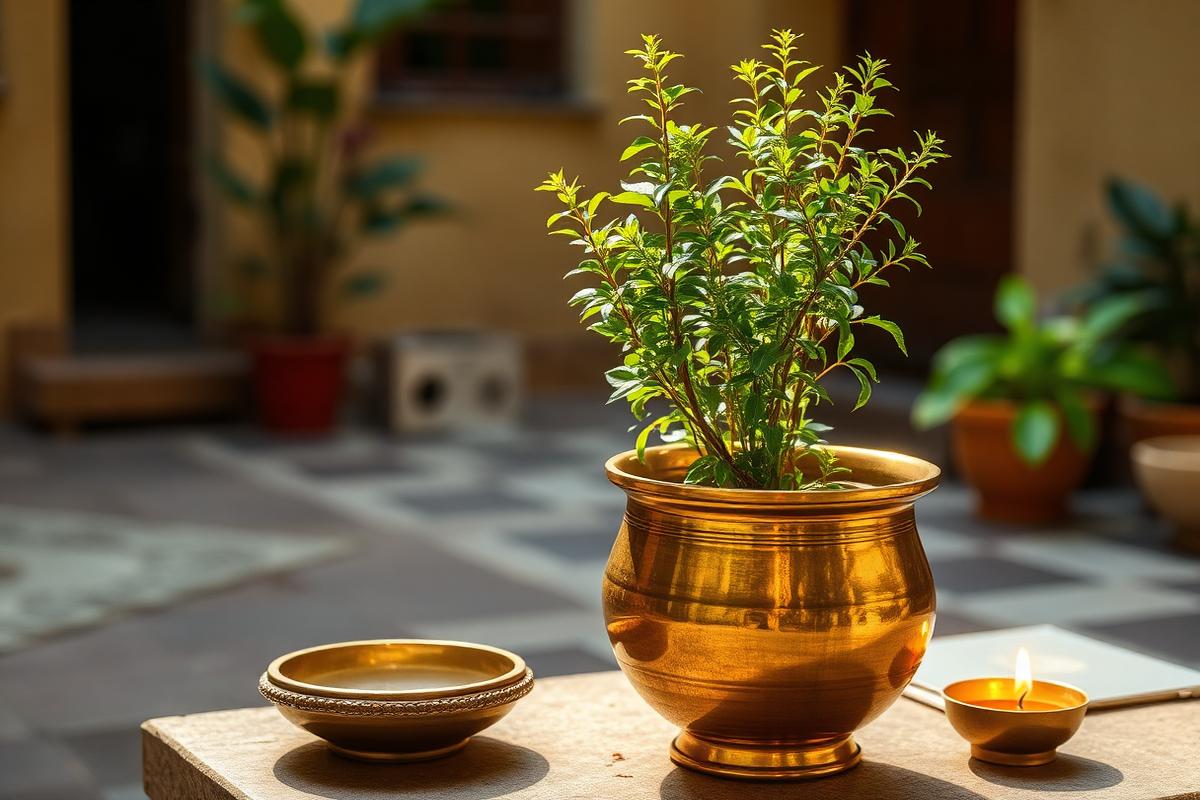
1. Wake before sunrise, bathe and take a sankalp to keep the fast for your children. 2. Set up Lord Ganesh's idol or image; clean the spot and light a diya and dhoop. 3. Offer durva grass, flowers, roli, akshat (rice) and modak or laddu to Ganesh. 4. Prepare the special til-gud bhog - sesame and jaggery sweets, and til ka laddu; some make a small til kuta mountain. 5. In the evening, listen to or read the Sakat Chauth katha with folded hands. 6. After the moon rises at night, offer arghya with water and til to the moon, then to Ganesh, and break your fast. Many eat sesame and jaggery first as prasad before a full meal.
Who Keeps This Vrat and Why
Sakat Chauth is kept mainly by mothers for the wellbeing, long life and success of their children, and to remove obstacles from the family's path. Devotees of Lord Ganesh also keep it as the most powerful Sankashti Chaturthi of the year. As Ganesh is Vighnaharta, the remover of obstacles, this vrat is observed by those facing difficulties, seeking new beginnings, or simply wishing for steady protection and harmony at home.
Significance and Benefits
Sakat Chauth is believed to remove obstacles and dangers from children's lives, bless them with health, intelligence and long life, and bring peace and prosperity to the home. The til and gud offered symbolise warmth, sweetness and protection in the cold Magh season. Above all, the vrat strengthens faith in Ganesh as the loving guardian who clears every sankat for sincere devotees.
Common Questions From Devotees
When is Sakat Chauth celebrated?+
Sakat Chauth falls on Chaturthi of Krishna Paksha in Magh month, usually in January or February. It is the major Sankashti Chaturthi of the year. Confirm the date with your local Panchang.
Why is it called Til Kuta Chauth?+
It is named after the til (sesame) and gud (jaggery) offerings central to the vrat. Sweets and laddu are made from til and gud, and some prepare a small til kuta mound as bhog for Ganesh.
How is the Sakat Chauth fast broken?+
The fast is broken at night after the moon rises. Devotees offer arghya with water and til to the moon and Ganesh, eat til and gud as prasad, and then take a meal.
Which deity is worshipped on Sakat Chauth?+
Lord Ganesh, the remover of obstacles (Vighnaharta), is the main deity. The moon is also worshipped at night with arghya before the fast is broken.
What does the Sakat Chauth katha teach?+
The katha teaches that sincere devotion to Ganesh protects children from every danger. It tells how a mother's faithful vrat saved her child, affirming Ganesh as the guardian who removes all sankat.
Can the Sakat Chauth vrat be kept without water?+
Many mothers keep it nirjala (without water), while others take fruit, milk or til-gud during the day. Keep the fast according to your health and capacity, with devotion at its heart.
About the author
Pandit Mahesh Trivedi · Festival Traditions & Panchang
Pandit Mahesh leads the festival-date and Panchang content on Vandnaa. He cross-references multiple regional panchangs (Drik, Vaishnava, Bengali, Marathi) for every festival date published on the site.
Meet the Vandnaa editorial team →Explore on Vandnaa
Related Articles

Ahoi Ashtami - Vrat Katha, Puja Vidhi & Niyam for Children
9 min read
How to Teach Kids Prayers, Shlokas & Values at Home
8 min read
Ganesh Aarti Lyrics – Jai Ganesh Deva (गणेश आरती)
8 min read
Ganesh Chalisa Lyrics & Meaning in Hindi (गणेश चालीसा)
9 min read
How to Do Tulsi Puja Daily - Vidhi, Niyam & Rules
8 min read
Panchamrit - Meaning, 5 Ingredients, Significance & Puja Vidhi
8 min read