What is the Sapta Nadi?
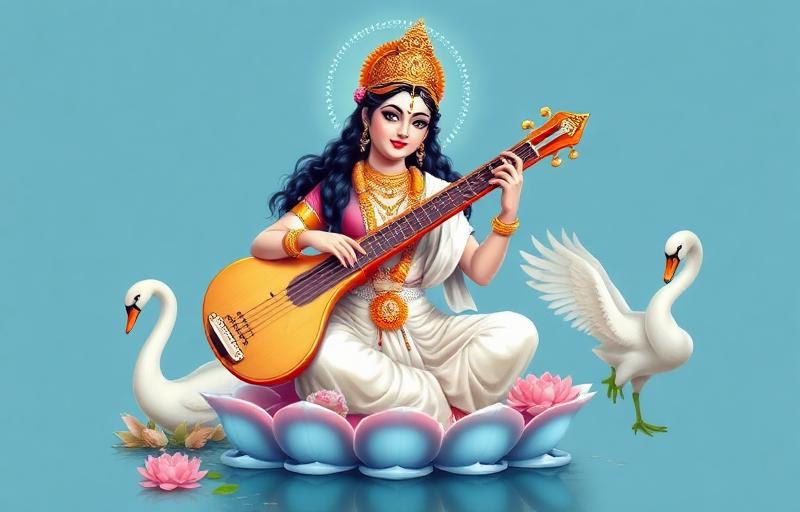
In Hindu tradition, seven rivers are together honoured as the Sapta Nadi, or seven sacred rivers, each considered a goddess in her own right and together representing the life-giving waters that flow across the length and breadth of India. These seven are traditionally named as Ganga, Yamuna, Godavari, Saraswati, Narmada, Sindhu and Kaveri.
Rather than travelling to each of these rivers individually, devotees have for generations recited a simple mantra that invokes the blessing of all seven together, believing that sincere faith can draw their combined grace into any vessel of water, even a small bucket at home.
Origin and Meaning of the Mantra
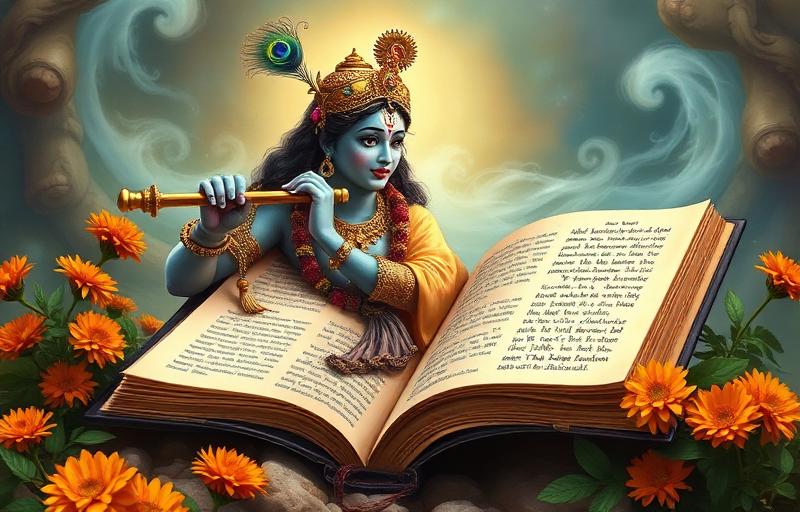
The mantra, found in various forms across Hindu ritual texts, is traditionally recited as 'Gange cha Yamune chaiva Godavari Saraswati, Narmade Sindhu Kaveri jalasmin sannidhim kuru'. In simple meaning, it calls upon the rivers Ganga, Yamuna, Godavari, Saraswati, Narmada, Sindhu and Kaveri, requesting them to be present within the water at hand.
Devotees see this as more than a poetic verse, it is a heartfelt request that the purifying grace found in each of India's greatest rivers might combine, however briefly, in the ordinary water used for one's daily bath.
Why the Mantra is Recited During Daily Bath
For devotees who cannot travel regularly to sacred rivers, the Sapta Nadi mantra offers a way to bring that same sense of sanctity into everyday life. By reciting it before or during a bath, a devotee treats the moment not as a routine task but as a small act of worship, inviting the presence of seven goddesses into their morning.
Many households pass this mantra down through generations, teaching children to recite it as part of their early religious training, so that reverence for India's sacred rivers becomes part of daily life rather than something reserved only for pilgrimage.
How Devotees Recite the Mantra
- The mantra is typically recited quietly while standing at the bath, either before pouring water or with folded hands as a brief prayer
- Some devotees keep a few drops of Ganga water, or water from any sacred river collected during pilgrimage, and add it to their bath water while reciting the verse
- The mantra is also recited during other rituals involving water, such as the sankalpa, or statement of ritual intention, before a puja
- There is no elaborate ceremony required, devotees are taught that sincerity of heart matters more than any specific technique
Benefits as Understood in Tradition
Devotees believe that reciting the Sapta Nadi mantra with faith brings a sense of purity and calm to the start of the day, a reminder that one's small daily actions can be connected to something vast and sacred. It is also seen as an expression of gratitude toward the rivers that sustain life across the Indian subcontinent, water sources that devotees regard as living goddesses rather than mere natural resources.
As with all such traditions, the mantra is understood as a matter of faith and devotion, a way of honouring nature's gifts rather than a guarantee of any specific outcome.
A Devotee's Takeaway
The Sapta Nadi mantra, in its simplicity, carries a profound teaching, that the sacred need not be far away. By naming Ganga, Yamuna, Godavari, Saraswati, Narmada, Sindhu and Kaveri each morning, a devotee gently remembers that the whole of India's sacred geography can be present in a single moment of quiet devotion.
Whether recited at a grand river ghat or a small bathroom at home, this daily prayer is an act of faith and love, not a transaction, connecting the devotee to centuries of gratitude for the waters that sustain life.
Frequently Asked Questions
What are the seven rivers named in the Sapta Nadi mantra?+
The Sapta Nadi mantra names Ganga, Yamuna, Godavari, Saraswati, Narmada, Sindhu and Kaveri, inviting the combined blessing of these seven sacred rivers into the water being used for bathing.
When is the Sapta Nadi mantra traditionally recited?+
The mantra is traditionally recited during daily bathing, and it may also be included in the sankalpa, or ritual intention, spoken before beginning a puja.
Do I need Ganga water to recite this mantra?+
No, while some devotees add a few drops of sacred river water if available, the mantra can be recited with ordinary water as well, since devotees believe sincerity of faith matters most.
About the author
Acharya Vinaya Kapoor · M.A. Sanskrit, Mantra & Stotra Studies
Acharya Vinaya holds an M.A. in Sanskrit from Banaras Hindu University and writes the mantra and stotra commentary on Vandnaa. Her focus is on accurate pronunciation, traditional context, and helping modern readers connect with classical texts.
Meet the Vandnaa editorial team →