Who is Yamuna Mata?
Yamuna Mata, also known as Kalindi, is worshipped as one of the most sacred rivers of India and is counted among the great goddesses of the Hindu tradition. She is regarded as the daughter of the sun god Surya and is honoured as the sister of Yama, the god of death, a bond devotees believe is celebrated every year during Bhai Dooj, when sisters pray for their brothers' long life just as Yamuna is said to have welcomed Yama to her banks.
Unlike many rivers that are seen as goddesses only in a general sense, Yamuna holds a deeply personal place in devotional life because of her association with Lord Krishna. From his childhood in Vrindavan to his youth in Mathura, the river flows through nearly every chapter of Krishna's earthly life, and devotees often say that to bathe in the Yamuna is to walk gently into Krishna's own world.
Krishna's Leelas on the Banks of Yamuna
Some of the most cherished stories of Lord Krishna's childhood unfold along the Yamuna. It was in her waters that the young Krishna is said to have subdued the venomous serpent Kaliya, dancing upon its many hoods until it agreed to leave the river and trouble the people of Vrindavan no more. Devotees remember this episode as Kaliya Daman, a reminder that faith and courage can calm even the most poisonous forces of the world.
The river's banks are also remembered as the setting for the Raas Leela, the divine dance of Krishna with the gopis under the moonlight, an event devotees see as a symbol of the soul's loving union with the divine. According to tradition, when a fierce storm once threatened Vrindavan, Krishna lifted the Govardhan hill to shelter the villagers, and it is Yamuna's gentle waters that are said to have witnessed this and countless other leelas of the Lord.
Why Yamuna is Considered a Goddess
In the Hindu tradition, rivers are not seen merely as sources of water but as living goddesses who nurture, purify and bless those who turn to them in faith. Yamuna is counted, along with the Ganga, among the foremost of these river goddesses, and her image is invoked in temples and homes as a form of the Divine Mother.
Devotees believe that a dip in her waters, taken with sincere devotion, washes away sorrow and sin, and that her presence at a place instantly makes it sacred. This is why cities along her course, from Yamunotri to Mathura, Vrindavan, Agra and finally her sacred meeting with the Ganga at Prayagraj, are counted among the most visited pilgrimage destinations in India.
How Devotees Worship Yamuna Mata
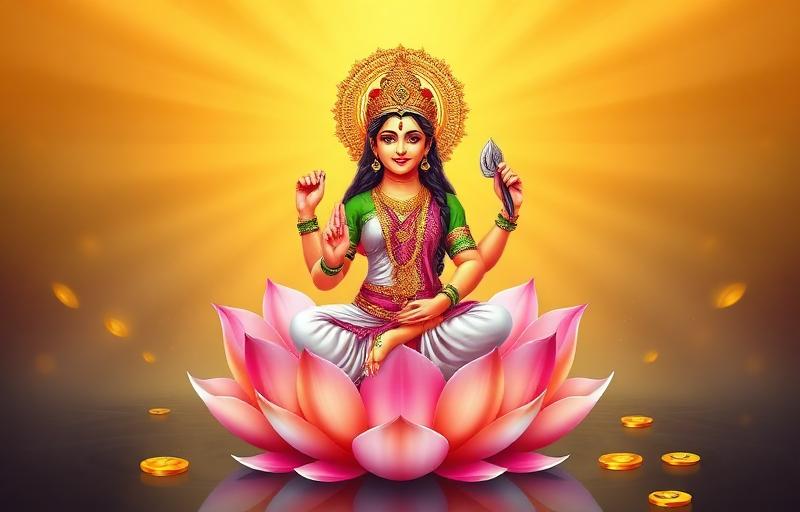
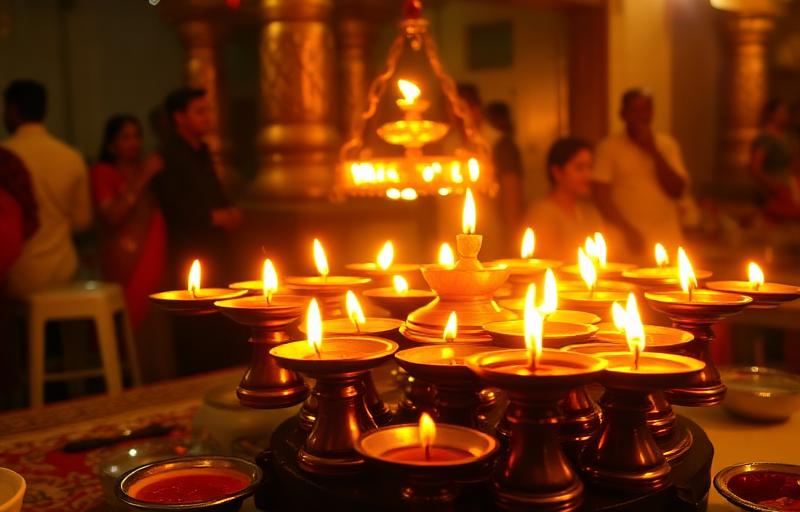
- Devotees offer a daily Yamuna Aarti at ghats in Mathura, Vrindavan and Delhi, where lamps are floated on her waters at dusk amid the ringing of bells
- Taking a holy dip, or Yamuna Snan, especially on festival days, is considered an act of deep purification
- Many devotees offer flowers, milk and a simple prayer of gratitude before entering her waters, treating the river as a mother rather than merely a body of water
- On Bhai Dooj, sisters recall Yamuna's welcome of Yama and pray for their brothers' wellbeing, often visiting a Yamuna ghat if one is nearby
Devotees who cannot travel to her banks often keep a small vessel of Yamuna water at home, brought back from pilgrimage, to be used in daily worship.
Sacred Places Along the Yamuna
The river is believed to originate near the Yamunotri shrine in the Garhwal Himalayas, one of the four sacred sites of the Chota Char Dham, where a temple to Yamuna Devi stands amid snow-fed springs. From there she flows down through the plains to Mathura and Vrindavan, the very heart of Krishna's early life, before passing Agra and eventually merging with the Ganga at the Triveni Sangam in Prayagraj.
Each of these places draws pilgrims for different reasons, some for Krishna's leelas, some for the icy source in the mountains, and some for the sacred confluence where Yamuna's dark waters are said to meet Ganga's pale ones in quiet devotion.
Mantra to Chant and a Devotee's Takeaway
Devotees often chant the simple invocation 'Om Yamunayai Namah', meaning 'salutations to Mother Yamuna', while offering prayers at her banks or even while sprinkling her water at home.
The story of Yamuna, sister to Yama and beloved companion of Krishna, reminds devotees that even the forces that seem most feared, like death itself, are woven into a larger tapestry of love and faith. Whether one visits her sacred ghats or simply remembers her name with gratitude, worship of Yamuna Mata is an act of faith and love, not a transaction.
Reader Questions Answered
Why is Yamuna considered the sister of Yama?+
According to tradition, Yamuna and Yama were both children of the sun god Surya. The bond between them is remembered every year during Bhai Dooj, when sisters pray for their brothers' long life, a custom devotees trace back to Yamuna welcoming Yama to her banks.
Where does the Yamuna river originate?+
The Yamuna is believed to originate near the Yamunotri shrine in the Garhwal Himalayas, one of the four sacred sites of the Chota Char Dham pilgrimage.
What is the significance of Yamuna Snan?+
Devotees believe that bathing in the Yamuna with sincere devotion helps purify the mind and heart, and pilgrims often take a holy dip at ghats in Mathura, Vrindavan and other sacred towns along her course.
About the author
Acharya Vinaya Kapoor · M.A. Sanskrit, Mantra & Stotra Studies
Acharya Vinaya holds an M.A. in Sanskrit from Banaras Hindu University and writes the mantra and stotra commentary on Vandnaa. Her focus is on accurate pronunciation, traditional context, and helping modern readers connect with classical texts.
Meet the Vandnaa editorial team →