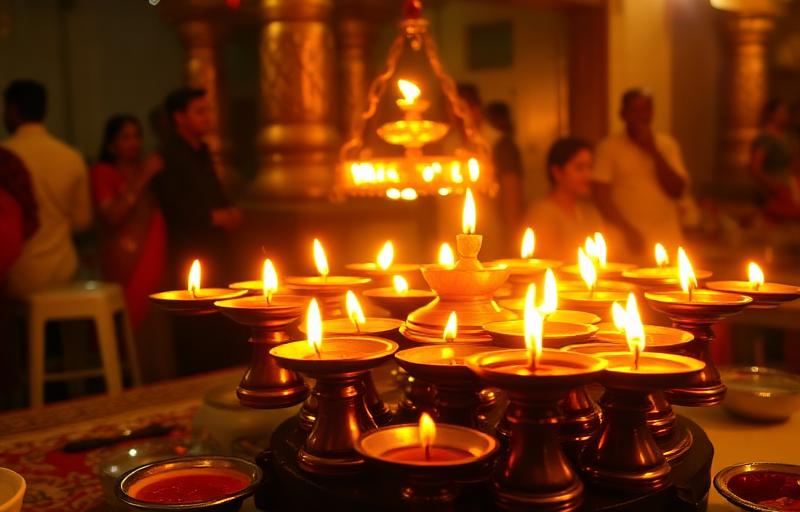
Sarayu, the River of Ayodhya
The Sarayu river holds a place of deep devotion in Hindu tradition as the sacred waterway flowing past Ayodhya, the birthplace of Lord Rama. Mentioned in the Ramayana itself, the river is inseparable from the story of the Ikshvaku dynasty and the life of Rama, making her one of the most revered rivers of northern India.
For devotees, the Sarayu is not merely a geographical feature of Ayodhya but a living witness to the events of the Ramayana, her waters carrying centuries of memory and devotion.
Sarayu's Bond with Lord Rama
According to the Ramayana, the city of Ayodhya was built along the banks of the Sarayu, and the river flows through many episodes of Rama's life, from his childhood to his years as king. Devotees hold that the river's waters carried a special blessing simply by being present through the divine drama of his earthly life.
At the end of his time on earth, tradition holds that Lord Rama took jal samadhi, entering the waters of the Sarayu to return to his divine abode. This belief has made the river not just sacred but deeply emotional for devotees, who see her as the very gateway through which the Lord departed this world.
Why Sarayu is Revered as Purifying
Devotees believe that a dip in the Sarayu, especially at Ayodhya, carries the blessing of Lord Rama himself, cleansing sins and bringing peace of mind to those who bathe with sincere faith. Her presence has made Ayodhya one of the seven sacred cities of Hindu tradition believed to grant liberation.
Pilgrims visiting the Ram Janmabhoomi and other temples of Ayodhya consider a visit to the Sarayu's ghats an essential part of their pilgrimage, often beginning or ending their darshan with a moment by her waters.
Worship and Sacred Ghats at Ayodhya
- Ram ki Paidi is the most well-known series of ghats along the Sarayu in Ayodhya, where devotees gather for bathing and prayer through the day
- A grand evening Sarayu Aarti is performed at the riverfront, with rows of lamps and the sound of bells and hymns filling the air, drawing devotees and visitors alike
- Many pilgrims offer flowers and light diyas that are set afloat on her waters as a mark of devotion
- Ritual baths in the Sarayu are often undertaken before or after darshan at the Ram temple, treating the river as a natural extension of the pilgrimage
Sarayu in the Devotional Life of Ayodhya
The Sarayu's importance extends beyond ritual bathing into the very identity of Ayodhya as a city of devotion, her banks hosting festivals, evening gatherings and quiet moments of prayer throughout the year. During major festivals connected to Lord Rama, such as Ram Navami and Diwali, the ghats along the Sarayu come alive with lamps, processions and singing.
Many devotees who cannot travel to Ayodhya still keep the Sarayu in their hearts through devotional songs and stories that describe her as the river of Rama's grace.
Mantra to Chant and a Devotee's Takeaway
Devotees often chant 'Om Sarayu Nadyai Namah', meaning 'salutations to Mother Sarayu', while bathing at her ghats or offering a lamp upon her waters.
The story of Sarayu, the river that witnessed Rama's life and received him at its close, reminds devotees that sacred waters carry not just purification but deep, lasting memory of divine love. Whether one visits Ram ki Paidi in person or simply remembers her from afar, worship of the Sarayu is an act of faith and love, not a transaction.
Common Questions From Devotees
Why is the Sarayu river important to Lord Rama's story?+
The Sarayu flows past Ayodhya, the birthplace and kingdom of Lord Rama, and tradition holds that Rama took jal samadhi in her waters at the end of his earthly life, making the river deeply significant to devotees.
What is Ram ki Paidi?+
Ram ki Paidi is a series of sacred ghats along the Sarayu river in Ayodhya where devotees bathe, pray and gather for the evening Sarayu Aarti.
Is bathing in the Sarayu considered purifying?+
Yes, devotees believe that bathing in the Sarayu at Ayodhya carries the blessing of Lord Rama and helps cleanse sins, which is why pilgrims often combine a holy dip with darshan at the city's temples.
About the author
Acharya Vinaya Kapoor · M.A. Sanskrit, Mantra & Stotra Studies
Acharya Vinaya holds an M.A. in Sanskrit from Banaras Hindu University and writes the mantra and stotra commentary on Vandnaa. Her focus is on accurate pronunciation, traditional context, and helping modern readers connect with classical texts.
Meet the Vandnaa editorial team →