What is the Triveni Sangam?
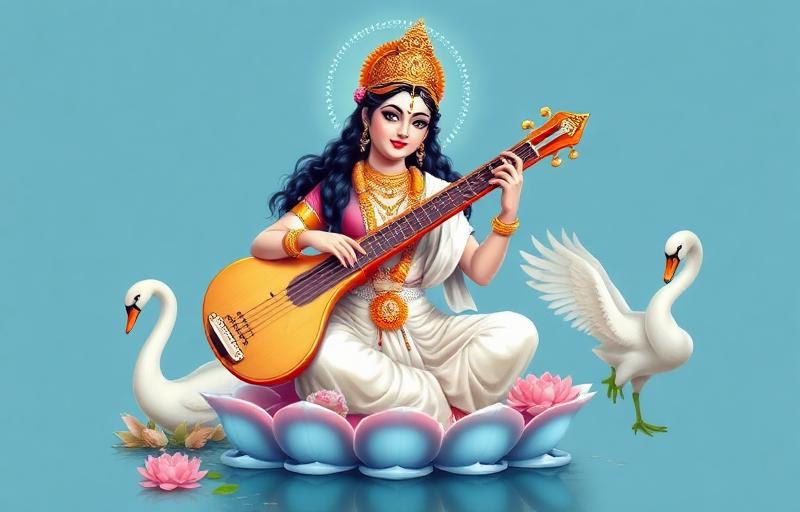
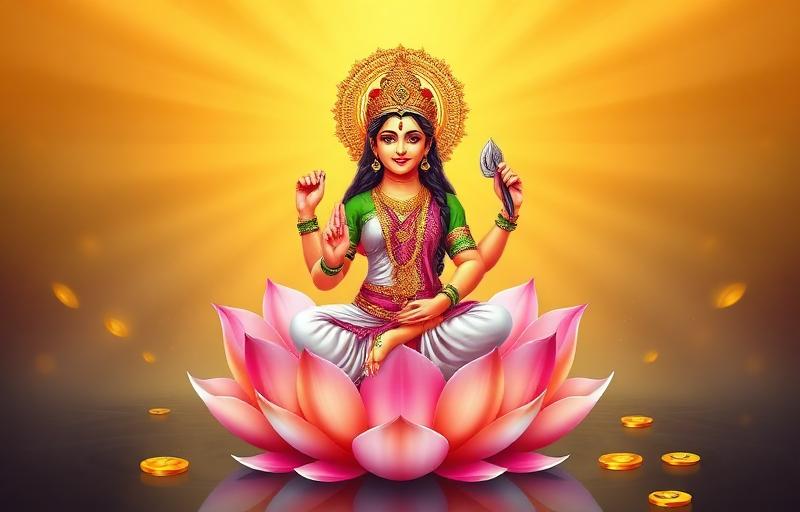
The Triveni Sangam in Prayagraj is one of the most sacred pilgrimage points in all of Hinduism, marking the place where the Ganga and Yamuna rivers physically meet, joined, according to tradition, by the invisible Saraswati flowing beneath the earth. The word Triveni means 'three braids' or 'three streams', a poetic description of this rare confluence of goddesses.
Devotees travel from across India and beyond to take a holy dip at this exact point, believing that bathing where three sacred rivers unite carries a blessing greater than bathing in any one river alone.
Puranic Significance of the Sangam
According to the Puranas, Prayagraj, once known as Prayag, is counted among the most sacred sites in India precisely because of this confluence. Ancient texts describe the Sangam as a place so pure that even the gods are said to desire a bath in its waters, and sages through the ages chose to settle nearby for meditation and penance.
The site is also associated with the legend of the Samudra Manthan, the churning of the cosmic ocean, with tradition holding that a drop of the sacred amrit fell here, one of the four places in India connected to this story, which is why Prayagraj hosts the great Kumbh Mela.
Why a Dip Here is Considered So Sacred
Devotees believe that bathing at the Sangam during auspicious periods can cleanse a lifetime of sins and bring the soul closer to moksha, or liberation. This belief has made Prayagraj a destination not only for ordinary pilgrims but also for sages, ascetics and seekers who come to perform rituals for their ancestors, known as pind daan, believed to bring peace to departed souls.
Many devotees also choose to have a portion of a loved one's ashes immersed here, trusting that the sacred confluence will carry them toward liberation.
Rituals and the Great Kumbh Mela
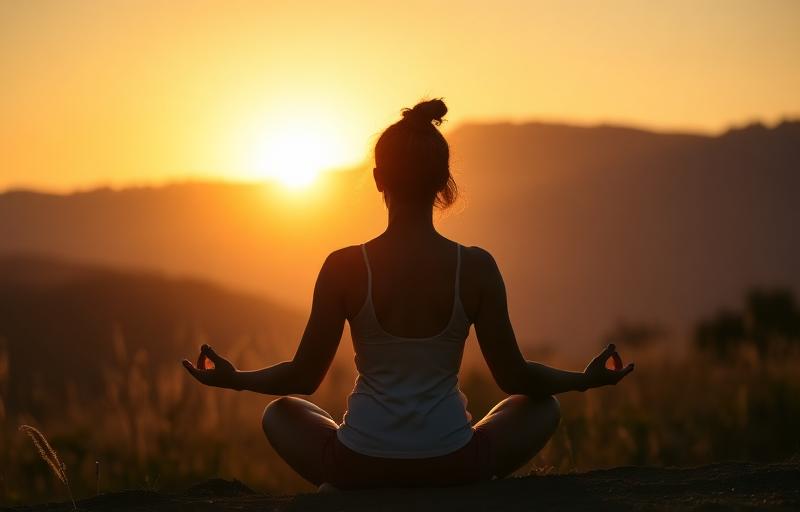
- Pilgrims typically travel by boat to the exact point of confluence for their ritual bath, as the meeting point can shift slightly with the seasons
- The Magh Mela is held annually at the Sangam, drawing devotees for a month of prayer, charity and simple living on its banks
- Once every twelve years, Prayagraj hosts the grand Kumbh Mela, one of the largest gatherings of people anywhere in the world, when akharas of sadhus process to the Sangam for a ceremonial bath
- Devotees often perform a simple puja and offer flowers into the water before entering for their dip, treating the moment with quiet reverence
The Sangam's Place Among India's Sacred Confluences
While many river confluences across India are considered sacred, the Triveni Sangam at Prayagraj holds a uniquely elevated status because it unites three river goddesses rather than two, with the unseen presence of Saraswati adding an extra layer of mystery and devotion. Other significant confluences, such as those at Devprayag in Uttarakhand, are revered in their own right, but none carry quite the same scale of pilgrimage tradition as Prayagraj.
This unmatched sanctity has shaped Prayagraj's identity for centuries as a city defined almost entirely by its sacred waters.
Mantra to Chant and a Devotee's Takeaway
Devotees often recite a simple prayer invoking all three rivers together, such as 'Ganga Yamuna Saraswati sangame, pavitram kuru', meaning 'at the confluence of Ganga, Yamuna and Saraswati, make me pure', before entering the water.
The Sangam's quiet lesson for devotees is that the coming together of different sacred streams, seen and unseen, can create something more powerful than any one alone. Whether one bathes here during the great Kumbh or simply remembers the Sangam with devotion, worship at this confluence is an act of faith and love, not a transaction.
Reader Questions Answered
Why is the Triveni Sangam considered so sacred?+
The Triveni Sangam in Prayagraj marks the confluence of the Ganga, Yamuna and the invisible Saraswati, and devotees believe that bathing where three sacred rivers meet carries an especially powerful blessing.
What is the connection between the Sangam and the Kumbh Mela?+
Prayagraj is one of the four sites in India where, according to tradition, a drop of the sacred amrit fell during the Samudra Manthan, which is why it hosts the great Kumbh Mela once every twelve years at the Sangam.
What is pind daan performed at the Sangam?+
Pind daan is a ritual performed at the Sangam for departed ancestors, which devotees believe helps bring peace to their souls through the sacred power of the confluence.
About the author
Pandit Ravindra Sharma · Vedic Rituals & Bhakti, 22+ years
Pandit Ravindra is the Vandnaa editorial team's resident specialist on aarti, chalisa, and daily devotion. He has performed home and temple pujas across Varanasi and Delhi for over two decades and contributes the bhakti-focused articles on this site.
Meet the Vandnaa editorial team →