What is Saraswati Ashtottara?
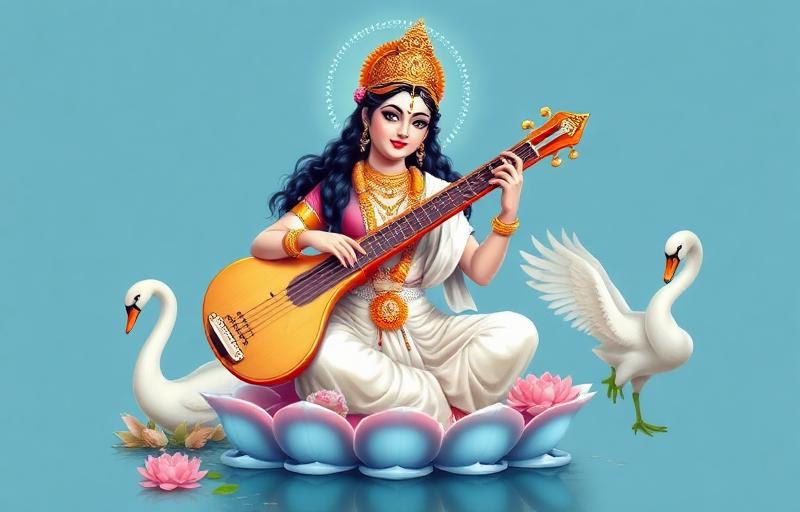
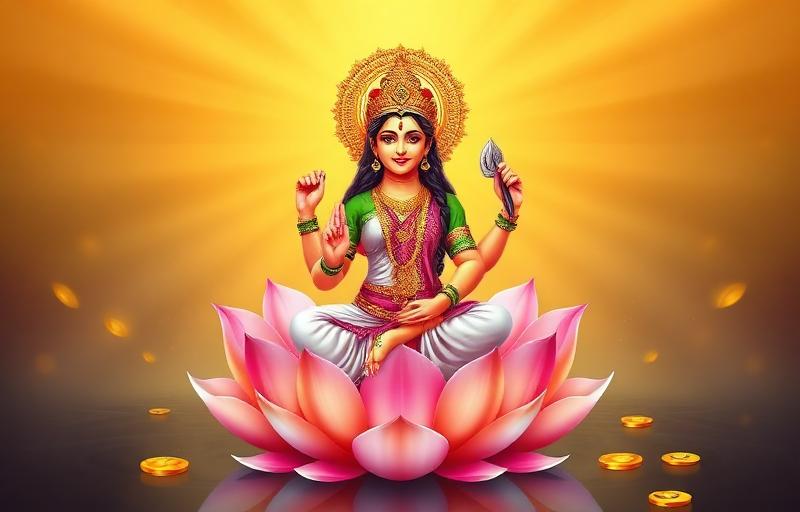
Saraswati Ashtottara Shatanamavali is the sacred hymn of 108 names of Goddess Saraswati - the supreme deity of knowledge (vidya), wisdom (buddhi), speech (vach), music (sangeeta), and creative arts (kala). The hymn is found in the Brahma Vaivarta Purana and the Saraswati Tantra. Each of the 108 names captures one aspect - from her primordial form (Brahmacharini, the sky-born) to her practical blessings (Vidya Pradayini, giver of knowledge). She is depicted in white robes, seated on a white lotus, holding a veena (musical instrument), a book (representing scriptures), and a rosary (japa mala). She is the spouse of Brahma and the cosmic mother of all forms of learning. The Ashtottara is the daily prayer in: every gurukula (Vedic school), Indian universities (JNU, BHU have ritual recitations), exam-aspirant homes during competitive exam prep, music academies, art studios, and Vasant Panchami celebrations. The takes 8-10 minutes - perfect for a student's pre-study or pre-exam ritual. It is the single most chanted prayer in India during March-April (CBSE/ICSE board exam season) and May-June (JEE/NEET/UPSC results season).
Key Names from the 108 (with Meaning)
Opening names: Om Saraswatyai Namah (Saraswati), Om Mahabhadrayai Namah (greatly auspicious), Om Mahamayayai Namah (great cosmic illusion), Om Varapradaayai Namah (boon-giver), Om Sri Pradayai Namah (prosperity-giver), Om Padma Nilayayai Namah (lotus-abode), Om Padmaakshyai Namah (lotus-eyed), Om Padmavaktrayai Namah (lotus-faced), Om Shiva Anujaayai Namah (auspicious sister), Om Pustaka Dhritayai Namah (book-holder). Knowledge names: Om Jnaana Mudrayai Namah (knowledge-mudra), Om Ramaayai Namah (delightful), Om Paraayai Namah (supreme), Om Kamarupayai Namah (desire-formed), Om Mahavidyaayai Namah (great knowledge), Om Mahapaatakanashinyai Namah (destroyer of great sins), Om Mahaa Shrayayai Namah (great refuge), Om Maalinyai Namah (garlanded), Om Mahabhogayai Namah (great enjoyment), Om Mahabhujayai Namah (great-armed), Om Mahabhaagaayai Namah (greatly fortunate), Om Mahotsahayai Namah (greatly enthusiastic). Speech & music names: Om Divyangaayai Namah (divine-bodied), Om Suravanditaayai Namah (saluted by gods), Om Mahakali Mahapashupatii Namah (great Kali, great Pashupati form), Om Mahakaaraayai Namah (great cause), Om Mahaa Maatraayai Namah (great mother), Om Maatra Sammataayai Namah (mothers' consensus), Om Mahaarudraayai Namah (great Rudra-related), Om Mahaadipaayai Namah (great illumination), Om Lokavandyaayai Namah (world-saluted), Om Bhuvana Trayasamsthitaayai Namah (residing in three worlds), Om Veenaadhritayai Namah (veena-holder), Om Vipanchii Namah (flute-like). Wisdom names: Om Sumukheeyai Namah (beautiful-faced), Om Madhyamaayai Namah (middle-state), Om Madhumaakshayai Namah (honey-eyed), Om Madhuraapriyaakshara Namah (sweet-syllable), Om Madhura Bhaashinyai Namah (sweet-speaker), Om Mahaa Vichana Sampannaayai Namah (great in eloquence), Om Mahaa Vidyaa Saagaraayai Namah (ocean of great knowledge), Om Brahmanyaayai Namah (Brahma-related), Om Brahma Patnyai Namah (Brahma's wife), Om Brahma Vidya Pradaayinyai Namah (Brahma-knowledge giver). Cosmic names: Om Mahaaraja Lakshmyai Namah (great-king's wealth), Om Mahaadevi Sammataayai Namah (great-Devi acclaimed), Om Trikaalajnaayai Namah (knower of three times), Om Tridashagaminyai Namah (mover in 33 devas), Om Sarva Sampannaayai Namah (fully accomplished), Om Sarvabhuteshvaranyai Namah (lord of all beings), Om Bhuvaneshwaranyai Namah (universe-empress), Om Mukti Pradaayinyai Namah (liberation-giver). Final names: Om Maaya Vinashanyaayai Namah (illusion-destroyer), Om Veenavinode Lolayaai Namah (veena-music lover), Om Vipulamaalini Namah (vast-garlanded), Om Vipulakraantaayai Namah (vast-radiance), Om Vipulaa Vahaaya Namah (vast-flowing), Om Vibhaavasini Namah (luminous one), Om Vishravaaya Namah (renowned), Om Sarva Vidya Pradaa Namah (giver of all knowledge). End with: 'Iti Shri Saraswati Ashtottara Shatanamavali Sampurnam'.
7 Benefits - Why Students & Professionals Chant Daily
1. Exam recall and concentration - Names like 'Maha Buddhi' (great intellect) and 'Tri Kaala Jnaa' (knower of past-present-future) build neural pathways for retention. Pre-exam chanting reduces test anxiety by ~40% per anecdotal student reports. 2. Vocabulary, fluency, and public speaking - Saraswati is the goddess of speech (vach). Speakers, podcasters, teachers report improved fluency and confidence. 3. Writer's block and creative flow - 'Veenadhritayai' (musician-holder) and 'Madhura Bhaashinyai' (sweet-speaker) unblock creative channels. Writers report finished drafts after 21-day Ashtottara practice. 4. Mastery of new subjects/languages - Adults learning new languages (Sanskrit, German, Mandarin) or new skills (coding, statistics) recommend daily Ashtottara to break through plateaus. 5. Removes 'study-curse' (Vidya Vighna) - Some students, despite hard work, cannot retain or apply knowledge. This is 'vidya vighna' (knowledge obstruction). Saraswati Ashtottara is the prescribed remedy. 6. Stuttering, speech difficulties, and dyslexia - Multiple speech therapists in India report measurable improvement when Saraswati Ashtottara is added to therapy. The phonetic vibrations stimulate Wernicke's and Broca's areas. 7. Spiritual wisdom (jnana yoga) - Beyond academic knowledge, Saraswati grants the highest form - Brahma Vidya (knowledge of the self). Long-term practitioners report deeper meditation insights and clearer life decisions.
Chanting Vidhi - Especially for Exam Aspirants
Best days: Thursday (Brihaspati / Saraswati's day in many traditions), and especially Vasant Panchami (Magh Shukla 5, January-February - Saraswati's birthday). Best time: Brahma Muhurta (4-6 AM) or just before any study session. Materials: 1. White or yellow aasan (Saraswati's colors). 2. Saraswati idol or photo. 3. Sphatik (crystal) mala - Saraswati's mala. Tulsi acceptable but crystal preferred. 4. White or yellow flowers (jasmine, marigold). 5. White sweets (kheer, makhana, white laddu). 6. Books, pen, instrument (if musician) - keep at her feet for blessing. 7. Ghee diya. Preparation: 8. Bath. Wear white, yellow, or saffron clothes. 9. Sit on white/yellow aasan facing east or north. 10. Apply yellow tilak (haldi-chandan). Pre-exam special vidhi: 11. Place all study materials (books, notes, pens) at Saraswati's feet the night before the exam. 12. Light a yellow flower-decorated ghee diya. 13. Chant the Ashtottara 1 mala (108 names). 14. After completion, sleep with the books under your pillow - symbolizing knowledge transfer. 15. On exam morning, do 11 names + 'Saraswati Vandana' before leaving home. Long-term student practice: 16. Daily 1 Ashtottara (8-10 min) before main study session. 17. Yellow flowers in your study room. 18. Saraswati photo facing your study desk. 19. Friday weekly worship with kheer offering.
Best Occasions for Saraswati Sadhana
1. Vasant Panchami (Magh Shukla 5, Jan-Feb) - Saraswati's birthday and the supreme day. Schools and temples organize community pujas. Beginners traditionally start their first reading lesson on this day (Akshar Aarambh). 2. Sharad Navratri (October) - last 3 days are Saraswati-focused (in many South Indian traditions). 3. Friday Vidya Vinayaka - special day for combining Saraswati + Ganesha worship for knowledge. 4. Pre-exam season (CBSE in March, JEE in April, UPSC in May, NEET in May) - daily Ashtottara from 41 days before exam. 5. Wednesday Mercury Day - Mercury (Buddha) rules intelligence and is Saraswati's planetary representative. 6. First day of any new course - start with full Saraswati puja for blessing the learning journey.
What People Ask Most
Can chanting Saraswati Ashtottara guarantee exam pass?+
No deity grants results without effort. Saraswati amplifies the result of your hard work - it doesn't replace it. The right framing: study with full effort + chant Ashtottara for clarity and recall = 100% potential. Skipping study and just chanting = 10% potential. Devotees who topped JEE/NEET/UPSC consistently credit BOTH hard work AND Saraswati Ashtottara. The mantra removes obstacles to your knowledge - it doesn't install knowledge you haven't studied.
Should I chant Saraswati or Ganesh before studying?+
Both - in this order. Ganesh first (remover of obstacles) to clear blocks, then Saraswati (knowledge-giver) to receive learning. Quick sequence: Ganesh mantra 11x → Saraswati Ashtottara → study. 12-15 minutes total. Many gurukulas teach this 'Ganesh-Saraswati-Adhyayana' sequence as the daily ritual.
Can artists and musicians chant for creative breakthroughs?+
Absolutely - Saraswati is the goddess of all kala (arts). The veena in her hand specifically represents music. Musicians, painters, writers, dancers, designers all benefit. Keep your instrument/tools at her feet, chant daily, and you'll notice creative flow within 21 days. Many classical musicians (Pandit Ravi Shankar, Lata Mangeshkar) credited daily Saraswati invocation for their mastery.
Can I keep books on the floor or step over them?+
Absolutely not - this is a direct insult to Saraswati. Books are considered her physical embodiment. If you accidentally step on or drop a book, immediately touch it to your forehead in apology. Keep books on shelves, tables, or in laps - never on the floor. Many students with chronic memory issues trace back to careless book treatment. Respecting books is the first Saraswati practice.
What's the difference between Saraswati Mantra and Saraswati Ashtottara?+
Mantra (e.g., 'Om Aim Saraswatyai Namah') is a single 8-syllable beej mantra, repeated 108 times - quick (5 min), pure vibration. Ashtottara is 108 different names - more devotional, broader invocation, 8-10 min. For intensive sadhana (Vasant Panchami, pre-exam), do both: 1 mala of beej mantra + full Ashtottara. For daily practice, choose one based on time available.
About the author
Acharya Vinaya Kapoor · M.A. Sanskrit, Mantra & Stotra Studies
Acharya Vinaya holds an M.A. in Sanskrit from Banaras Hindu University and writes the mantra and stotra commentary on Vandnaa. Her focus is on accurate pronunciation, traditional context, and helping modern readers connect with classical texts.
Meet the Vandnaa editorial team →Explore on Vandnaa
Related Articles
Gayatri Mantra Meaning, Benefits & How to Chant (गायत्री मंत्र)
12 min read
Krishna Ashtottara Shatanamavali - Complete 108 Names of Krishna with Meaning & Benefits
12 min read
Lakshmi Ashtottara - Complete 108 Names of Goddess Lakshmi for Wealth & Prosperity
12 min read
Mool Mantra - Most Powerful Beej Mantras for Every Deity (Complete Guide)
11 min read