What Is the Saundarya Lahari?
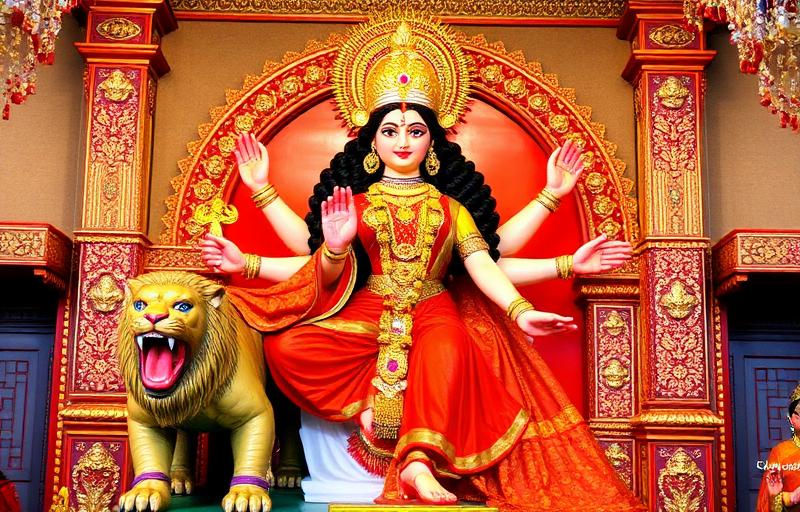
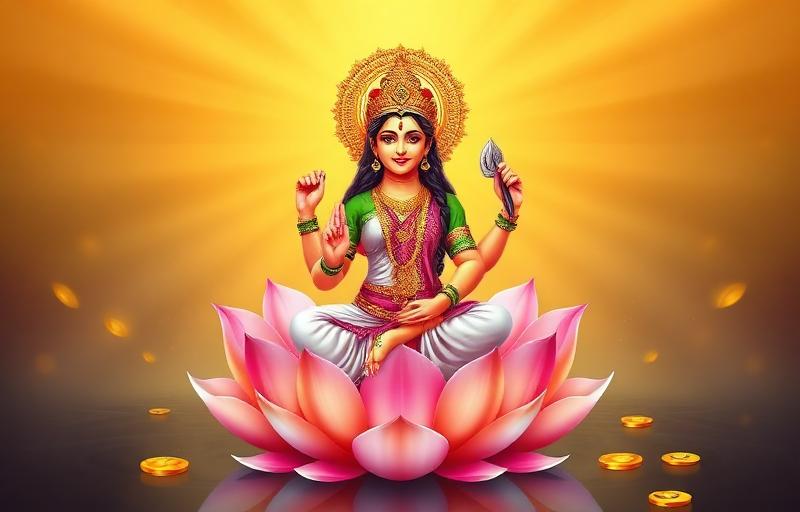
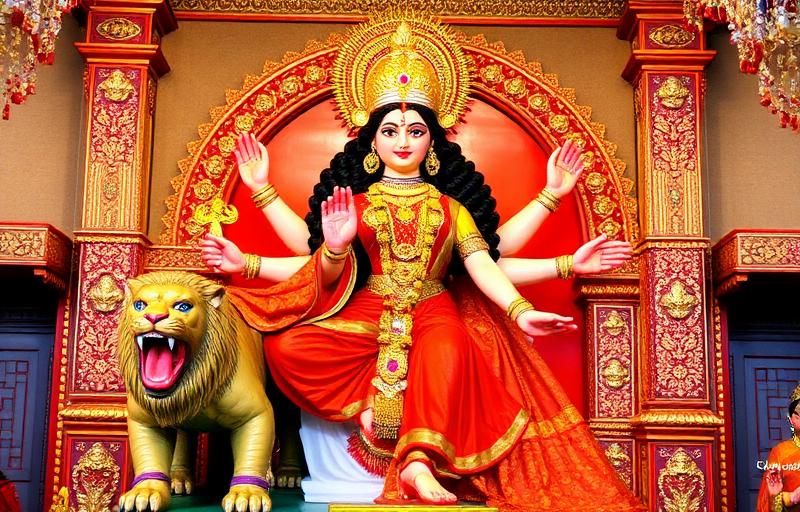
Saundarya Lahari, meaning 'Waves of Beauty', is a celebrated hymn of 100 (or 103) verses to the Divine Mother, traditionally attributed to Adi Shankaracharya. The Goddess here is the supreme Shakti, often identified with Lalita Tripura Sundari, the embodiment of beauty, auspiciousness and cosmic power.
The work is usually divided into two parts. The first portion, the Ananda Lahari ('Waves of Bliss', verses 1 to 41), is deeply philosophical and tantric, describing the union of Shiva and Shakti and the subtle inner energies. The second portion (verses 42 onward) is the Saundarya Lahari proper, a loving head-to-foot description of the Goddess's divine beauty. Together it is at once a devotional poem, a philosophical text and a tantric scripture.
A Few Key Verses
The famous opening verse (1):
Devanagari: शिवः शक्त्या युक्तो यदि भवति शक्तः प्रभवितुं न चेदेवं देवो न खलु कुशलः स्पन्दितुमपि। अतस्त्वामाराध्यां हरिहरविरिञ्चादिभिरपि प्रणन्तुं स्तोतुं वा कथमकृतपुण्यः प्रभवति॥
Transliteration: Shivah shaktya yukto yadi bhavati shaktah prabhavitum Na ched evam devo na khalu kushalah spanditum api Atas tvam aradhyam hari-hara-virinchadibhir api Pranantum stotum va katham akrita-punyah prabhavati
Meaning: Only when united with Shakti does Shiva gain the power to create; without her, the Lord cannot even stir. Then how can one who has earned no merit dare to bow to or praise you, O Mother, who are worshipped even by Vishnu, Shiva and Brahma?
This opening declares the central truth of the hymn - that the Divine Mother (Shakti) is the very power behind all the gods.
A glimpse of verse 22 (on her grace): Bhavani tvam dase mayi vitara drishtim sakarunam - 'O Bhavani, cast upon me, your servant, a glance full of compassion.' The verse beautifully says that even as the devotee begins to utter the words 'O Bhavani', the Mother grants him union with herself, so swift is her grace.
These verses show the two streams of the hymn - profound philosophy and tender, personal devotion - flowing together as one.
Significance & Benefits
The Saundarya Lahari holds a unique place in Devi worship:
- A union of bhakti and philosophy: It offers heartfelt devotion to the Mother while expressing the deepest Advaita and tantric truths about Shiva-Shakti.
- A description of the Sri Vidya tradition: Its early verses touch on the Sri Chakra, the kundalini and the subtle chakras, making it a revered text of the Sri Vidya path.
- Beauty as the divine: It teaches that the beauty of the Goddess is not merely physical but the radiant beauty of the Absolute itself.
- Grace and well-being: Devotees recite verses of the Saundarya Lahari for the Mother's blessings of auspiciousness, health, harmony and spiritual upliftment.
- Each verse a prayer: In tradition, individual verses are associated with specific blessings, recited with devotion for particular needs.
Its deeper message is that the supreme reality is not dry or distant but full of beauty, bliss and motherly love - and that surrender to that beauty is itself a path to liberation.
How to Approach the Saundarya Lahari
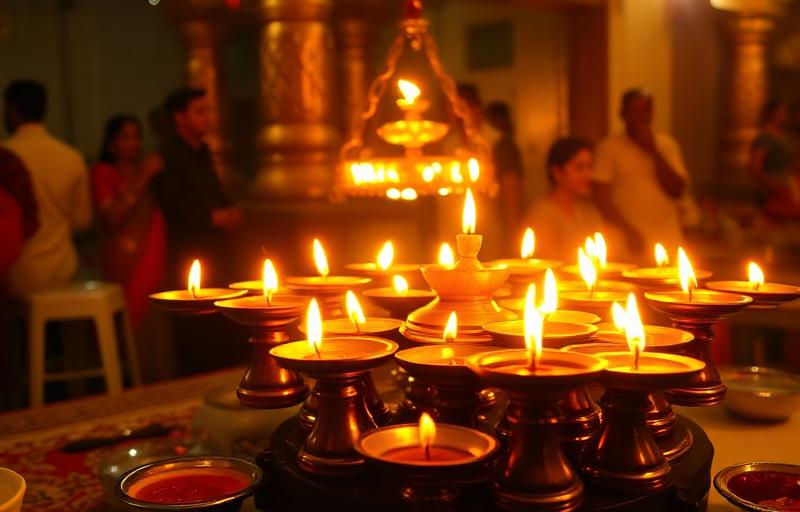
1. Begin with devotion: Approach the hymn first as a loving prayer to the Divine Mother. Even reciting the opening verses with feeling is greatly blessed. 2. Best time: Early morning after a bath, on Fridays, during Navratri, or as part of regular Devi puja. 3. Setup: Sit before an image of the Goddess (Lalita, Durga or Sri Chakra), light a lamp and offer flowers, especially red ones. 4. Start small: The full 100 verses are profound; beginners may start with the famous first verse and a few favourites, adding more over time. 5. The tantric verses: The Sri Vidya and yantra aspects of the early verses are traditionally practised under a qualified guru. As a devotee, you may recite them with reverence even without such initiation. 6. Steady practice: Regular, sincere recitation with understanding of the meaning deepens devotion. Conclude with the Devi aarti, a quiet moment of surrender, and prasad.
Common Questions From Devotees
What does Saundarya Lahari mean?+
Saundarya Lahari means 'Waves of Beauty'. It is a hymn of about 100 verses praising the Divine Mother as supreme beauty and supreme power, traditionally attributed to Adi Shankaracharya.
What are the two parts of the Saundarya Lahari?+
The first part, Ananda Lahari (verses 1 to 41), is philosophical and tantric, describing Shiva-Shakti and the subtle energies. The second part, the Saundarya Lahari proper (from verse 42), lovingly describes the Goddess's divine beauty from head to foot.
Which Goddess is praised in the Saundarya Lahari?+
It praises the supreme Divine Mother, the great Shakti, often identified with Lalita Tripura Sundari, who embodies beauty, auspiciousness and cosmic power and is central to the Sri Vidya tradition.
Can anyone recite the Saundarya Lahari?+
Yes, any devotee can recite it as a heartfelt prayer to the Divine Mother. Its deeper tantric and Sri Vidya practices are traditionally taken up under a qualified guru, but reciting the verses with devotion and reverence is open to all.
About the author
Acharya Vinaya Kapoor · M.A. Sanskrit, Mantra & Stotra Studies
Acharya Vinaya holds an M.A. in Sanskrit from Banaras Hindu University and writes the mantra and stotra commentary on Vandnaa. Her focus is on accurate pronunciation, traditional context, and helping modern readers connect with classical texts.
Meet the Vandnaa editorial team →