Why So Many Devotees Take Up Rudraksha During Sawan
Walk into any temple market during Sawan and you will see rudraksha counters doing brisk business. The reason is simple: rudraksha beads are believed to have originated from Shiva's own tears of compassion, according to the account found in the Shiva Purana, which makes them the most natural object of devotion to take up during his holiest month. Sawan, running from 30 July to 28 August 2026, is when devotees already fast on the four Somwars (3, 10, 17 and 24 August), chant Om Namah Shivaya, and perform jal abhishek, so adding a rudraksha mala feels like a natural extension of that same devotional intensity.
Most first-time wearers begin on the first Sawan Somwar, treating it as an auspicious date to start a new spiritual habit, though beginning on any Monday, Pradosh, or Shivratri (11 August this year) is equally accepted. A 5 mukhi (five-faced) rudraksha is the most common starting point, considered mild, balanced and suitable for daily wear by beginners, while some devotees who already do focused japa choose a 1 mukhi or Rudraksha mala of 108 beads strung specifically for counting Mahamrityunjaya or Panchakshari mantra repetitions.
The appeal is not only symbolic. Many devotees describe a simple psychological anchor effect: touching the beads through the day serves as a repeated, physical reminder to stay calm, avoid harsh speech and keep the month's devotional intent present even during ordinary work hours. That practical, grounding role is often what makes people reluctant to take the mala off once Sawan ends, and it is worth understanding whether reluctance actually goes against any tradition.
Is There Actually a Rule to Remove It When Sawan Ends?
Here is the direct answer: no scripture ties rudraksha to a calendar month. Nowhere in the Shiva Purana, the Padma Purana, or the various rudraksha-specific texts (the Rudraksha Jabala Upanishad, for instance) is there any instruction that a rudraksha mala must be removed once Shravan concludes. The confusion usually comes from conflating two separate things: the auspicious timing to start wearing rudraksha, which many people associate with Sawan for good reason, and an imagined obligation to stop wearing it once that window passes.
In actual tradition, rudraksha is treated as a long-term, often lifelong companion to a devotee's spiritual practice, not a seasonal costume piece. Many lifelong Shiva devotees, sadhus and grihastha (householder) practitioners wear the same mala for years, sometimes decades, re-stringing it as the thread wears out but never removing the beads themselves out of any calendar-based rule. Rudraksha is more comparable to a japa mala used for regular chanting than to something like a Kalava thread tied specifically for one ritual's duration.
That said, tradition does recognize legitimate reasons to pause or remove rudraksha, which is different from a mandatory end-of-Sawan rule. Those reasons are about the wearer's personal circumstances, not the arrival of a particular date on the panchang. Anyone told that rudraksha "expires" with Sawan is hearing a modern misconception, likely born from conflating it with the fasting practices, like the Somwar vrat, that genuinely are bound to the month and do pause once it ends. It helps to remember that rudraksha, mantra japa and vrat are three related but distinct practices, each with its own rules, and borrowing a deadline from one to apply to another is where most of this confusion quietly originates.
When Removing or Replacing Rudraksha Actually Makes Sense
While Sawan's end is not a trigger, several genuine situations do call for removing, replacing or temporarily setting aside a rudraksha mala, and it helps to know them clearly rather than guessing:
- The thread frays or a bead cracks. Rudraksha beads are organic seeds and do wear out. A cracked bead or a thread on the verge of snapping is a practical reason to restring, ideally using a fresh red or yellow thread, rather than letting it break and scatter the beads.
- A death in the immediate family (sutak period). Many households follow the custom of setting aside rudraksha, along with other regular puja items, during the mourning period after a close family death, resuming wear once the customary period concludes.
- Before entering a crematorium or attending certain funeral rites. This is a widely observed regional custom, particularly in North Indian households, more about ritual cleanliness than any flaw in the rudraksha itself.
- Before major surgery or hospital admission, purely for practical and hygiene reasons that hospitals themselves often require, not a religious rule.
- If the mala was worn specifically as a time-bound sankalp (vow), such as "I will wear this only until I complete a specific mantra count," in which case removing it on completing that personal vow is entirely appropriate.
Outside these situations, there is no requirement to remove rudraksha, and doing so purely because Sawan's calendar page has turned is based on habit rather than genuine tradition. When in doubt, it is worth asking a family priest or elder familiar with your own household's specific customs, since small regional variations do exist even within these broad guidelines.
How to Keep Wearing Rudraksha Well Beyond Sawan
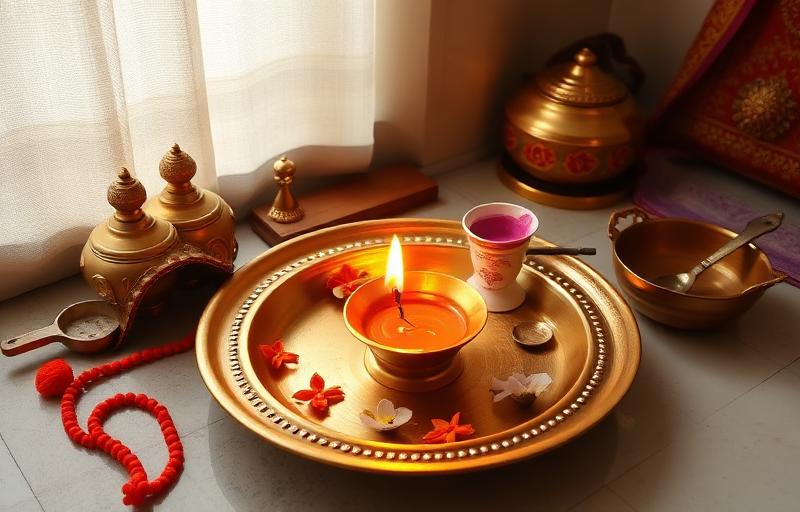
For devotees who want to continue, the transition from "Sawan rudraksha" to "everyday rudraksha" is straightforward and mostly about consistent, gentle care rather than any elaborate ceremony:
- Keep it on during daily activities, including work and travel, but many traditions still suggest removing it before sleeping at night and before bathing, then putting it back on afterward, simply to protect the thread and beads from prolonged moisture.
- Clean it occasionally by wiping gently with a soft, slightly damp cloth; avoid soap, chemical cleaners or soaking, since rudraksha is a porous organic seed that can be damaged by both.
- Oil it lightly once every few months with a drop of sesame or mustard oil rubbed gently into the beads, an old practice believed to preserve their sheen and structural integrity over years of wear.
- Continue pairing it with a daily mantra, even briefly. Devotees who keep chanting Om Namah Shivaya or the Mahamrityunjaya Mantra while touching the beads, even for two or three minutes each morning, tend to report the strongest sense of continuity between Sawan and the months after it.
- Restring before the thread visibly frays, not after it snaps and beads scatter across the floor, which is the single most common reason people lose part of a mala they had worn for years.
There is no need to "reactivate" or re-consecrate rudraksha for continued wear. Its significance does not reset with the calendar; it simply continues alongside the wearer's ongoing devotion, exactly as it would have if Sawan had never been the starting point at all.
A Simple Way to Mark the Month's Close, With or Without Removing It
Whether a devotee decides to keep the rudraksha on indefinitely or remove it once Sawan finishes on 28 August, tradition offers a gentler middle path worth considering: marking the month's close with a small, deliberate gesture rather than treating removal as either mandatory or meaningless.
One widely followed practice is a simple closing sankalp on the final Sawan Somwar (24 August) or on Sawan Purnima itself (28 August). Sit before a diya, hold the mala in your right hand, and chant Om Namah Shivaya 108 times, consciously offering gratitude for the month's practice rather than starting a new request. This single sitting closes the devotional arc of Sawan cleanly, regardless of what you decide to do with the mala afterward.
If you do choose to remove it at this point, rather than discarding it, most households keep the rudraksha respectfully, either in the puja space, wrapped in a clean cloth, or offered at a temple if it feels naturally complete. If you choose to continue wearing it, this same closing sankalp becomes less an ending and more a marker, a way of consciously carrying Sawan's discipline into the ordinary months ahead rather than letting the habit quietly fade once the festive urgency lifts.
Either choice is valid. What matters far more than the mala's physical presence on your wrist or neck is whether the daily habits it represented, the mantra, the pause for reflection, the small discipline, continue in some form.
📿 The Vandnaa App's Om Namah Shivaya counter is a simple way to keep that 108-count practice going well past Sawan, whether or not you're still wearing the mala.
Common Myths About Rudraksha and Sawan, Cleared Up
A few misconceptions circulate every year around Sawan, and clearing them up helps devotees wear rudraksha with confidence rather than anxiety:
- "You must remove it every night before sleeping, no exceptions." This is regional custom, not universal law. Some traditions are strict about it, others allow overnight wear except during specific ritual periods. Follow your family or guru's guidance rather than treating it as a fixed pan-Hindu rule.
- "Eating non-vegetarian food while wearing rudraksha is forbidden and damages it." Most classical texts actually place no dietary prohibition on rudraksha itself, though many devotees choose satvik food voluntarily during Sawan as part of the month's broader discipline, separate from any rudraksha-specific rule.
- "Women should never wear rudraksha during menstruation." Practice genuinely varies by family and regional tradition; some observe a pause, many do not, and neither position is a scriptural mandate binding on everyone.
- "Wearing multiple malas or mixing rudraksha with other jewelry cancels its effect." There is no basis for this. Rudraksha can be worn alongside other ornaments without any conflict.
- "A rudraksha bought outside Sawan is less powerful." The bead's significance comes from its own nature and the wearer's devotion, not the calendar date of purchase.
The common thread across all of these is that rudraksha tradition is more flexible and personal than the strict rulebook social media often presents it as, and Sawan's end is simply not one of its actual turning points. When a rule feels uncertain, checking with a trusted priest or a reliable panchang source is always wiser than following an unverified forwarded message.
Reader Questions Answered
Does rudraksha lose its spiritual power after Sawan ends?+
No. Rudraksha's significance is not tied to a calendar month; it remains a valid, lifelong aid to devotion whether worn during Sawan or any other time of year.
Is it fine to keep wearing rudraksha every day, all year round?+
Yes, many lifelong devotees wear the same rudraksha mala continuously for years, restringing the thread as needed. There is no rule limiting it to Sawan or any single festival period.
What should I do if my rudraksha thread breaks?+
Collect the beads carefully and have them restrung on a fresh red or yellow thread, ideally soon after, rather than leaving them scattered or unworn for a long period.
Should I remove my rudraksha before bathing or sleeping?+
Many families follow this practice mainly to protect the thread and beads from moisture and pressure, but it is a practical custom that varies by household rather than a strict universal rule.
Do I need to start wearing rudraksha only during Sawan, or can I begin any time?+
Sawan is considered an especially auspicious time to start given its connection to Shiva, but rudraksha can genuinely be taken up on any Monday, Pradosh or Shivratri throughout the year.
Can rudraksha be worn along with gold or other jewelry?+
Yes, there is no traditional restriction against combining rudraksha with other jewelry, and many devotees wear it comfortably alongside their everyday ornaments.
About the author
Pandit Mahesh Trivedi · Festival Traditions & Panchang
Pandit Mahesh leads the festival-date and Panchang content on Vandnaa. He cross-references multiple regional panchangs (Drik, Vaishnava, Bengali, Marathi) for every festival date published on the site.
Meet the Vandnaa editorial team →Explore on Vandnaa
Related Articles

One Month of Sawan Somwar Vrat: What Devotees Report Feeling
7 min read
Sawan Somwar 2026: Dates, Vrat Vidhi, Shiv Mantras & Why Mondays in Sawan Are So Powerful
10 min read
Bilva Patra (Bel Patra): Significance, Rules & How to Offer to Shiva
9 min read
Mahamrityunjaya Mantra: Meaning, Benefits & Jaap Vidhi
8 min read