Why Sawan Is Considered the Ideal Month to Start
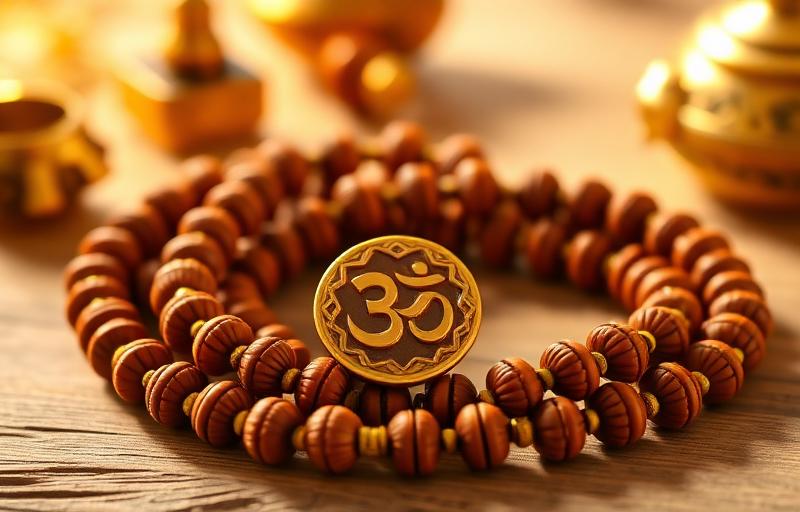
Rudraksha, literally "Rudra's eye" (Rudra being Shiva's fierce form, and aksha meaning eye or tear), is described in the Shiva Purana and other texts as having originated from Shiva's own tears. Different tellings describe these tears falling in compassion for suffering beings or after a long period of deep meditation, but every version agrees on the core idea: the seed is not just a bead, it is understood as a direct, physical link to Shiva himself.
Given that origin story, it follows naturally that the month entirely dedicated to Shiva is considered the most auspicious window to begin wearing one. Priests generally recommend three specific occasions within Sawan as the strongest starting points:
- Any of the four Sawan Mondays (3, 10, 17 or 24 August 2026), since Monday is Shiva's day throughout the year and doubly significant during this month
- Sawan Shivratri (Tuesday, 11 August 2026), considered the single most powerful day of the month for anything related to Shiva, including a first rudraksha
- The very first day of Sawan (Thursday, 30 July 2026) or Shravan Purnima (Friday, 28 August 2026), symbolically marking a fresh beginning
Beyond the mythology, there is a practical reason too. Beginning a new spiritual practice, whether japa, fasting or wearing a sacred object, tends to stick better when it is anchored to a clearly marked, communally observed occasion rather than an arbitrary Tuesday in March. Sawan gives a first-time wearer both the mythological backing and the social reinforcement, temple visits, family conversations, festive atmosphere, that make the habit easier to actually keep.
Choosing Your First Rudraksha: Why Beginners Start With 5 Mukhi
Rudraksha beads are classified by mukhi, the number of natural vertical lines or facets on the seed's surface, ranging from 1 mukhi up to 21 mukhi, with rarer varieties recorded beyond that. Each mukhi is associated with a different presiding deity and a different specific benefit in traditional texts, and this variety is exactly where first-time buyers tend to get overwhelmed.
For a beginner, the near-universal recommendation is the 5 mukhi (Panchmukhi) rudraksha, and the reasoning is straightforward:
- It is ruled by Kalagni Rudra, one of the five faces of Shiva, and is considered the most balanced, gentle and universally suitable of all the mukhis
- It is the most naturally abundant mukhi, which also makes it the most affordable and, importantly, the easiest to verify as genuine compared to rarer, more expensive mukhis that attract a higher rate of fakes
- Traditional guidance holds that it is safe for anyone to wear without a specific pre-existing condition or life goal in mind, unlike some higher mukhis that are recommended only for particular purposes and sometimes only under a guide's direction
A caution worth repeating clearly: rare, expensive mukhis such as 1 mukhi, 14 mukhi or higher are frequently counterfeited given the demand spike every Sawan, and traditional guidance generally advises beginners to avoid these entirely until they have both more experience and a trusted, verifiable source. Starting with a single, genuine 5 mukhi bead and adding others gradually over subsequent years, rather than buying an elaborate multi-mukhi mala on day one, is the approach most priests recommend.
How to Energise a New Rudraksha Before Wearing It
A rudraksha bought from a shop is not considered ready to wear straight out of its packaging. Traditional guidance recommends a short purification and energising ritual, ideally performed on the same Monday or Shivratri you plan to first wear it.
A simple activation ritual for a new rudraksha: 1. Wash gently in clean water to remove any dust from handling and storage, then rinse briefly in raw, unboiled cow's milk 2. Rinse a final time in Gangajal (Ganga water) if available, or plain clean water if not, patting it dry with a clean cloth afterward rather than leaving it wet 3. Place it before a Shivling or a photo of Shiva alongside your regular puja items, and light a diya 4. Chant Om Namah Shivaya, or the specific rudraksha mantra "Om Hreem Namah", 108 times while holding the bead or keeping it close, offering the sound directly to the object 5. Wear it immediately after, ideally early morning following a bath, so the body itself is clean when the bead first makes contact with the skin
Thread matters too. A fresh red or yellow thread, or a silver or gold capping if the rudraksha is set in metal, is traditionally preferred over an old or reused string for a first wearing. Some households prefer to have a priest perform this activation at a temple during Sawan rather than at home, particularly for a first rudraksha, though a sincere home ritual is considered equally valid by most traditional guidance.
How and When to Wear It: The Practical Rules

Beyond the ritual of first wearing it, a few ongoing practical rules govern how rudraksha is worn day to day.
- Skin contact matters. The bead is traditionally meant to touch the skin rather than sit over thick clothing, most commonly worn as a single bead or small mala around the neck, resting close to the chest, though a wrist mala is also common and more practical for daily work.
- Odd numbers for malas. A wearable mala is traditionally strung in an odd count, most commonly 27, 54, or 108 beads (or their half, since 108 divided cleanly gives 54), rather than an arbitrary even number.
- Morning after bath is the preferred time to put it on for the day, treating the freshly washed body as the appropriate state for the bead to rest against the skin.
- Avoid wearing it into places or situations considered ritually impure in traditional guidance, such as a crematorium, or during moments of active mourning, though guidance here varies significantly by family and community, so following your own household's practice is reasonable.
- One bead is enough to begin. There is no requirement to acquire a large multi-mukhi collection immediately; a single, well-chosen 5 mukhi rudraksha worn consistently outweighs an elaborate collection worn inconsistently or without proper care.
A note on children and rudraksha: many families do put a small rudraksha on infants and young children for protection, typically a lighter single bead on a thread rather than a full mala, and this is widely considered acceptable within most household traditions.
5 Common Mistakes First-Time Wearers Make
Rudraksha is forgiving of an imperfect ritual, but a few habits genuinely undermine the point of wearing it in the first place.
Mistake 1: Wearing it while sleeping every single night. Many traditional guidelines suggest removing rudraksha before sleep, or at minimum before specific activities like intimacy or attending a funeral, treating it as something worn actively during waking, conscious hours rather than continuously without thought.
Mistake 2: Buying a rare or expensive mukhi as a first purchase. As covered earlier, high-demand rare mukhis attract far more counterfeits, especially during Sawan when purchase volume spikes. A beginner drawn in by claims of a specific 14 mukhi or 1 mukhi's dramatic benefits is far more likely to end up with a fake than someone starting with an ordinary, verifiable 5 mukhi.
Mistake 3: Letting others handle or try on your rudraksha casually. Traditional guidance treats a worn rudraksha as personally attuned to its wearer over time, and frequently letting others put it on, out of curiosity, is generally discouraged.
Mistake 4: Ignoring cracks, chips or a broken thread. A visibly cracked or broken bead is traditionally considered to have completed its purpose and is respectfully retired, commonly by offering it to a river or a tree base, rather than continuing to wear it as if nothing changed.
Mistake 5: Buying without any verification at all. Given how much counterfeit rudraksha circulates, especially in the Sawan rush, buying only from a known, reputable source, and asking for basic verification such as the bead's natural, uneven texture, matters more than chasing the lowest price online.
🪔 The Vandnaa App's puja vidhi library includes the full rudraksha activation ritual with mantras, so you can follow each step correctly the first time you wear one this Sawan.
Ongoing Care: Cleaning, Re-Energising and When to Replace
A rudraksha worn regularly needs simple, periodic maintenance rather than any complex process.
- Cleaning: Wipe gently with a soft, slightly damp cloth every few weeks to remove accumulated sweat or oil, avoiding harsh soap or chemical cleaners, which can dull the bead's natural surface over time. A brief soak in clean water followed by drying in shade, not direct harsh sunlight, is the traditional approach.
- Re-energising periodically: Repeating the milk-and-Gangajal rinse alongside a short round of Om Namah Shivaya japa once every few months, or at the start of each major Shiva festival such as the next Sawan or Mahashivratri, is a common practice to keep the ongoing connection to the ritual fresh.
- Oiling: Some traditions recommend an occasional light application of sandalwood or a similar oil to the bead, both for preservation of the seed and as a devotional gesture, though this is optional and varies by family custom.
- When to replace: A rudraksha that has visibly cracked, lost a large chunk, or whose thread breaks repeatedly despite replacement is generally considered ready for respectful retirement, immersed in a river or placed at the base of a tree, followed by wearing a fresh bead if desired.
- Storage when not worn: Keep it in a clean cloth pouch near your puja space rather than in a drawer with unrelated items, treating its resting place with the same basic respect as its wearing.
Worn and cared for this way, a genuine rudraksha bead can remain part of a devotee's daily practice for many years, often being passed down within a family as a meaningful, personal object rather than being replaced casually.
Common Questions From Devotees
Is Sawan really the best time to start wearing rudraksha, or can I start anytime?+
You can technically begin wearing rudraksha at any time, but Sawan, being entirely dedicated to Shiva, is considered the most auspicious window by most priests, especially the four Sawan Mondays and Sawan Shivratri. If Sawan has already begun, any day within the month remains a good starting point.
Which mukhi rudraksha should a complete beginner choose?+
The 5 mukhi (Panchmukhi) rudraksha is almost universally recommended for beginners. It is considered gentle, balanced and suitable for anyone regardless of specific life goals, and being the most naturally abundant mukhi, it is also the easiest to verify as genuine.
Do I need to remove my rudraksha while sleeping or bathing?+
Many traditional guidelines recommend removing it before sleep and before specific activities like intimacy, though practices vary by family. Bathing with it on is generally considered acceptable, though some prefer to remove it briefly to avoid soap or shampoo residue building up on the bead's surface.
What should I do if my rudraksha bead cracks or breaks?+
A cracked or broken rudraksha is traditionally considered to have completed its purpose and is respectfully retired rather than discarded casually, commonly by placing it in a flowing river or at the base of a tree. A new bead can then be energised and worn in its place.
Can vegetarians and non-vegetarians both wear rudraksha?+
Yes, rudraksha itself can be worn by anyone. Some traditional households prefer greater dietary discipline, avoiding non-vegetarian food and alcohol, while wearing it, as a mark of overall respect for the practice, but this is a personal or family choice rather than an absolute rule.
About the author
Pandit Mahesh Trivedi · Festival Traditions & Panchang
Pandit Mahesh leads the festival-date and Panchang content on Vandnaa. He cross-references multiple regional panchangs (Drik, Vaishnava, Bengali, Marathi) for every festival date published on the site.
Meet the Vandnaa editorial team →Explore on Vandnaa
Related Articles
5 Powerful Mantras to Chant Every Day in Sawan
7 min read

Rudraksha Beads: Types from 1 to 21 Mukhi, Benefits, Wearing Rules & How to Identify the Real One
11 min read
Om Namah Shivaya Mantra Benefits & Meaning (ॐ नमः शिवाय)
9 min read
Sawan Somwar 2026: Dates, Vrat Vidhi, Shiv Mantras & Why Mondays in Sawan Are So Powerful
10 min read