Beyond the Shivling: Why Sawan Puja Should Include the Whole Family
Walk into most homes during Sawan and you will find the same scene: a Shivling, a small lota of water, a scattering of bel patra, and little else. It is not wrong, water on the Shivling is the month's central act, but it is incomplete when measured against how Sawan puja is traditionally meant to be performed in a full household setting.
Shiva, in Hindu tradition, is almost never worshipped as a solitary ascetic figure when it comes to home puja. He is understood as a grihastha, a householder, with a wife, two sons and a devoted companion, together known as the Shiv Parivar: Mahadev himself, Mata Parvati, Ganesha, Kartikeya and Nandi. Temple architecture reflects this directly, most major Shiva temples, from small village shrines to large complexes, place images or idols of the full family around the main sanctum rather than presenting Shiva in isolation.
There are two reasons this matters specifically for Sawan. First, the month's central mythology, Shiva drinking the Halahala poison during Samudra Manthan, is only half the story without Parvati's role: it is her presence and her care for Shiva afterward, tradition holds, that helped him bear the poison's effects, making her worship inseparable from the month's meaning rather than an optional addition. Second, a puja that only addresses the Shivling misses the theological completeness Hindu worship generally aims for: Ganesha as the remover of obstacles who should be invoked before any undertaking, Kartikeya as the embodiment of courage and discipline, and Nandi as the model devotee whose unwavering focus on Shiva is itself worth aspiring to.
Including the whole Parivar does not mean acquiring five separate idols or spending significantly more time on puja. It means being deliberate about a sequence and a few small offerings that acknowledge each member, which is what the rest of this guide walks through.
Meet the Shiv Parivar
For anyone approaching this practice for the first time, a quick introduction to who belongs in this household is useful before getting to the puja sequence itself.
- Mahadev (Shiva) - the central deity of the month, worshipped through the Shivling as the formless, all-pervading consciousness, and also honoured in his personal form as the loving head of this family.
- Mata Parvati - Shiva's consort and the daughter of Himavan, representing Shakti, the active, creative energy that complements Shiva's stillness. She is worshipped separately as Gauri, particularly through the Mangala Gauri vrat many women keep on Sawan Tuesdays.
- Ganesha - the elder son, remover of obstacles, worshipped first in virtually every Hindu ritual, Sawan puja included, before attention moves to any other deity.
- Kartikeya (also called Skanda, Murugan or Subramanya in different regions) - the younger son, commander of the divine armies and the embodiment of valour and discipline, worshipped with particular devotion in South Indian households throughout the year and included in the Sawan Parivar puja as well.
- Nandi - Shiva's bull vahana, positioned facing the Shivling in almost every Shiva temple, revered as the most devoted attendant, whose entire posture, seated, alert, facing Shiva without distraction, is held up as a model for how a devotee should approach worship.
Each member also carries their own vahana or companion into the picture, Ganesha's mouse, Kartikeya's peacock, and the serpent coiled at Shiva's neck, three natural adversaries who, tradition notes, coexist peacefully within this one family, an image often cited as a teaching on harmony despite difference. For a fuller exploration of what each member symbolises, our dedicated Shiv Parivar guide covers the meaning in depth; here, the focus stays on how to actually worship them together during Sawan.
Where Each Member Fits in the Puja Sequence
Sequence matters in Hindu ritual, and the Shiv Parivar puja follows a traditional order that is worth learning once and then repeating consistently through Sawan.
- Step 1 - Ganesha first: Begin with a short invocation to Ganesha, even a single Om Gan Ganapataye Namah repeated a few times, following the universal Hindu convention of honouring the remover of obstacles before any undertaking, puja included.
- Step 2 - Shiva and Parvati together: Move to the main Shivling, performing the jal or milk abhishek as usual, but consciously including Parvati in the invocation, either through a separate small murti or photo placed beside the Shivling, or simply by naming her in the mantra spoken aloud, such as Om Namah Shivaya Parvatipataye.
- Step 3 - Kartikeya: A brief offering, a flower, a pinch of vermilion or a lit incense stick, along with the invocation Om Saravanabhavaya Namah, acknowledges the younger son before moving on.
- Step 4 - Nandi: Traditionally worshipped last among the deities but first upon entering a temple, at home this can mean touching a small Nandi figure if you have one, or simply pausing to remember his unwavering devotion before concluding.
- Step 5 - Aarti for the whole family: The closing aarti, whether sung to Shiva alone or as a fuller aarti addressing the Parivar, is performed with the lamp gently circled to include the space where all the images or idols are placed, not just the Shivling.
This entire sequence, once memorised, adds only two or three minutes to a standard Sawan Somwar puja. What changes is not the time spent but the completeness of the attention given, moving through a household of five distinct relationships rather than addressing a single form.
Simple Rituals for Each Family Member During Sawan
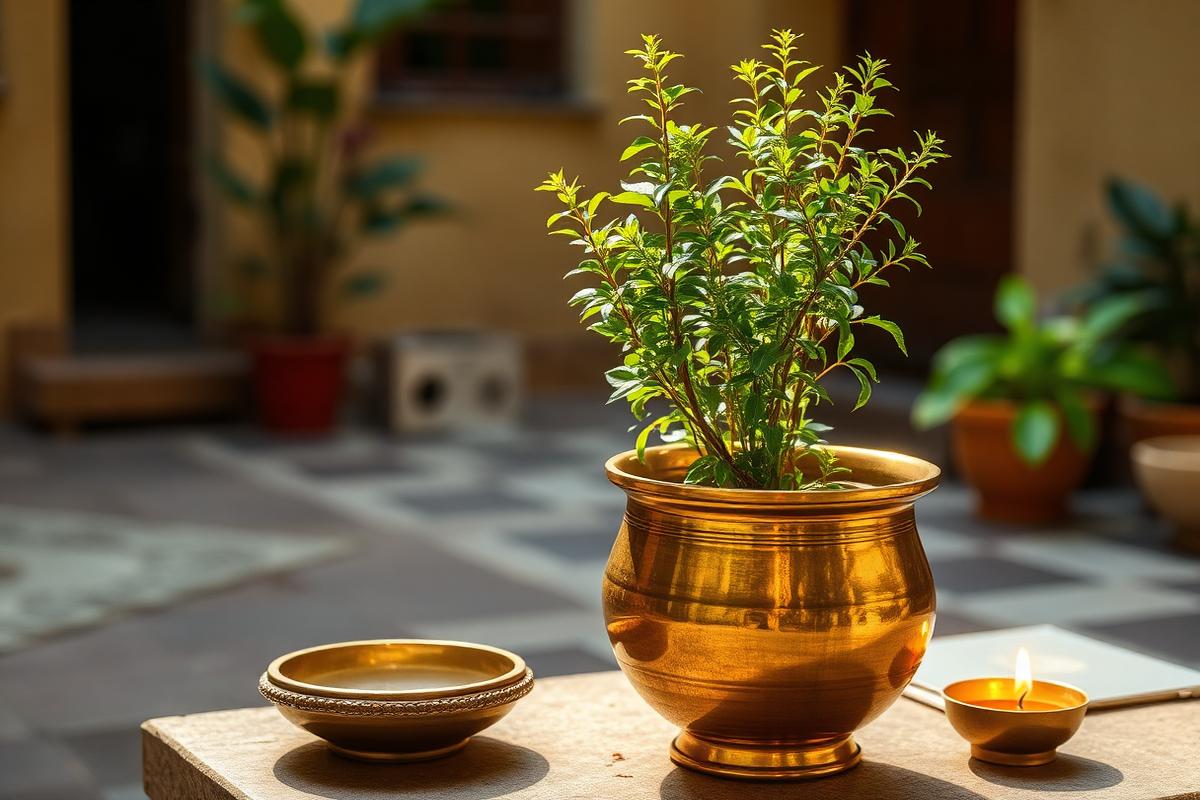
Beyond the basic sequence, each member of the Shiv Parivar has small, specific offerings traditionally associated with them, easy to fold into a Sawan routine without significant extra effort or expense.
- For Ganesha: Durva grass (a type of trifoliate grass) and a small piece of jaggery or a modak, if available, are considered his preferred offerings. Even three blades of durva grass placed before his image is traditionally considered sufficient.
- For Parvati: Sindoor, a small piece of red cloth, bangles or a flower garland, offerings connected to her as Devi and as the ideal of marital auspiciousness (suhaag), are commonly placed near her image, especially by married women observing the Tuesday Mangala Gauri vrat within Sawan.
- For Kartikeya: Incense and a red or orange flower, along with the Skanda Shashti association many South Indian families observe with particular devotion, though a simple daily acknowledgment is sufficient outside that specific occasion.
- For Nandi: A common and well-loved practice is whispering a wish or prayer into Nandi's ear before facing the Shivling, based on the belief that Nandi carries devotees' prayers directly to Shiva. At home, this can be a quiet, personal moment even with a small Nandi figurine.
- For the family as a whole: Once a week, ideally on the Sawan Somwar itself, offering a single shared plate of prasad, fruit or a sweet, placed before the entire Parivar rather than the Shivling alone, and later distributed among family members, reinforces the sense of worshipping a household rather than a solitary deity.
None of these additions require new purchases beyond what most kitchens already have; durva grass grows commonly, sindoor and incense are already part of most Hindu homes' puja supplies, and a whispered prayer costs nothing but a moment's sincerity.
Including Children and Elders in Family Deity Worship
One underrated benefit of worshipping the whole Shiv Parivar, rather than just the Shivling, is that it naturally creates roles for every family member to participate in, rather than one person performing the puja while everyone else watches.
- Children and Ganesha: Since Ganesha is a deity most children are already drawn to, given his elephant head and mouse companion in countless stories, assigning a child the task of placing the durva grass or a small sweet before his image gives them ownership over a specific, memorable part of the ritual.
- Teenagers and Kartikeya: Older children or teenagers, particularly those with an interest in discipline-based activities like sports or martial arts, sometimes connect more naturally with Kartikeya's association with courage and focus, worth mentioning briefly if a family is looking for a way to make the practice feel relevant to them.
- Grandparents leading the aarti: Elders in the household, who often know the words and tunes of the family's preferred aarti by heart, are naturally suited to leading this closing portion, giving them a visible, valued role in the ritual rather than a passive one.
- Women and the Parvati offerings: While not exclusive to any gender, the Parvati-specific offerings, sindoor, bangles, are traditionally handled by the women of the household, particularly during the Tuesday Mangala Gauri observance.
- A rotating 'Nandi whisper' turn: Letting each family member take a turn whispering into Nandi's ear on different Mondays keeps even the quietest ritual moment feeling personal and inclusive across the month.
A more detailed look at age-appropriate ways to introduce children specifically to Sawan traditions, including how to handle questions about fasting, is covered in our dedicated guide on teaching children about Sawan.
A Simple Home Altar Setup for the Whole Parivar
You do not need five separate idols or a large mandir to practise this properly. Most households manage a complete Shiv Parivar arrangement in a space no larger than a single shelf.
- A single combined image or idol set: The most common and practical solution is a single framed picture or small brass/marble set depicting the whole family together, Shiva, Parvati, Ganesha and Kartikeya as children around them, with Nandi seated nearby, widely available at religious stores precisely because this is such a common home puja need.
- Direction: Placing the altar so that it faces east or north, and so that the worshipper faces east or north while performing puja, follows general Vastu guidance used for most home mandirs, Shiv Parivar included.
- Height and placement: The altar should be at a height that allows for comfortable seated worship, not so high that it requires standing, and positioned away from the direct line of a bathroom or bedroom bed where possible.
- A small separate Shivling remains the centrepiece: Even with a combined family image behind or beside it, the Shivling itself, where the actual abhishek is performed, stays the physical focus of the daily ritual, with the family image providing the wider context.
- Keeping it uncluttered: A common mistake is overcrowding the altar with too many additional deities and objects; keeping the Shiv Parivar arrangement visually distinct and clean helps sustain the practice of addressing each member individually rather than a blur of images.
- A monthly refresh: Sawan is a natural time to clean, re-arrange or slightly refresh this altar, wiping down images, replacing a faded photo, or adding a small new element like a fresh Nandi figurine.
🪔 The Vandnaa App's step-by-step puja vidhi checklist walks you through the full Shiv Parivar sequence in order, so nothing gets left out even on a rushed Sawan morning.
Reader Questions Answered
Who are the members of the Shiv Parivar?+
The Shiv Parivar consists of Shiva, Parvati (his consort), Ganesha and Kartikeya (their two sons), and Nandi (Shiva's bull vahana and most devoted attendant), along with their respective vahanas and companions.
In what order should the Shiv Parivar be worshipped during Sawan puja?+
The traditional order begins with Ganesha, followed by the Shiva-Parvati abhishek together, then a brief offering to Kartikeya, and finally acknowledging Nandi before the closing aarti, which addresses the whole family.
Do I need separate idols for each Shiv Parivar member?+
No. A single combined image or idol set showing the whole family together, widely available at religious stores, is the most common and entirely acceptable arrangement for most homes.
What offering is traditionally given to Nandi?+
A widely practised custom is whispering a wish or prayer into Nandi's ear before facing the Shivling, based on the belief that he carries devotees' prayers to Shiva. Touching his horns or offering a flower are also common gestures.
Should Kartikeya be worshipped during Sawan even though Ganesha is honoured first?+
Yes. Ganesha being worshipped first is a ritual convention for beginning any puja, not a ranking of importance. Kartikeya receives his own brief offering and invocation within the same Shiv Parivar sequence, just later in the order.
About the author
Pandit Mahesh Trivedi · Festival Traditions & Panchang
Pandit Mahesh leads the festival-date and Panchang content on Vandnaa. He cross-references multiple regional panchangs (Drik, Vaishnava, Bengali, Marathi) for every festival date published on the site.
Meet the Vandnaa editorial team →Explore on Vandnaa
Related Articles
Teaching Children About Sawan: Simple Ways to Pass On the Tradition
7 min read
Sawan Puja for Newly Married Couples: Rituals for a Blessed Life
7 min read

Shiv Parivar: The Family of Shiva, Parvati, Ganesha & Kartikeya - Its Meaning
8 min read
Mangala Gauri Vrat - Shravan Tuesdays Puja Vidhi, Katha & Benefits
9 min read