Why Sawan Is a Wonderful Month to Start
Parents often wonder when the right time is to begin introducing children to religious practice in any serious way, and Sawan turns out to be an unusually good entry point compared to trying to explain more abstract philosophical festivals first.
The reason is largely sensory. Sawan arrives with the monsoon itself, rain children can watch and feel, the smell of wet earth, greenery bursting back to life after summer, all of which give small children something concrete to anchor abstract religious ideas to. A three-year-old cannot easily grasp the concept of cosmic balance, but they can absolutely notice that the world turns green in Sawan, that mud puddles appear, and that this greenery is somehow connected to the festival everyone around them is celebrating.
The month is also unusually rich in linked festivals for a single stretch of five weeks: Sawan Shivratri on 11 August, Nag Panchami on 17 August, Hariyali Teej toward the end of the month, and Raksha Bandhan closing it out on 28 August 2026. For a child, this means Sawan doesn't feel like one dense religious lesson but a sequence of smaller, distinct, memorable moments, snakes and milk, a special fasting day for Papa, colourful bangles for Mama, a rakhi to tie on a brother's wrist, each with its own story and its own small ritual, spread out rather than crammed together.
Finally, the core ritual of Sawan itself, pouring water on a Shivling, is about as simple and physically engaging as devotional practice gets. There is no long Sanskrit recitation a young child must memorise to participate meaningfully; pouring water from a small lota, watching it flow, is itself the act, making it one of the most accessible entry points into ritual participation across the entire Hindu calendar.
Starting here, rather than with a more text-heavy or philosophically dense festival, tends to build genuine early affection for faith rather than a sense of obligation learned before understanding.
Storytelling: The Samudra Manthan and Neelkanth Story for Kids
The story behind why devotees pour water on the Shivling during Sawan is, conveniently, one of the more dramatic and child-friendly tales in the Puranas, involving a churning ocean, dangerous poison, and a hero stepping in to save everyone else, elements that work in almost any children's story.
A simplified version that works well for children roughly five and older:
'Long ago, the gods and demons wanted a magical nectar that would make them live forever. They worked together to churn the great ocean using a giant mountain and a giant snake as a rope. But before the nectar came out, something scary came out first, a terrible black poison called Halahala, so strong it could destroy the whole world. Everyone was frightened and ran to Lord Shiva for help. Shiva, because he loved the whole world, drank the poison himself to save everyone else. But he didn't swallow it, he held it in his throat, and that is why his throat turned blue, which is why he is called Neelkanth, the blue-throated one. The poison made him very hot, so everyone began pouring cool water on him to help him feel better. That is why, even today, we pour water on the Shivling in Sawan, to help cool Shiva down, just like the gods did long ago.'
A few tips for telling this well:
- Use voices and pauses for the churning, the fear, and Shiva's calm bravery, the way you would for any bedtime story.
- Let the child ask 'why' at each step rather than rushing through; the questions are usually where the real understanding happens.
- Connect it immediately to the action: right after telling the story, actually pouring water together on a home Shivling turns the story from something heard into something done, cementing it far better than words alone.
- Revisit it each Monday: repetition across the four Sawan Somwars, rather than telling it once, is how the story actually settles into a child's memory over the years.
Age-Appropriate Roles in Puja Thali Preparation
Giving a child a specific, consistent job during puja, rather than having them simply stand and watch, is one of the most effective ways to build genuine engagement rather than passive presence.
- Toddlers (2-4 years): At this age, participation should be entirely about sensory involvement and positive association, not instruction. Letting them ring the puja bell, hold a flower before it's offered, or simply sit close by during the ritual builds a warm, unpressured familiarity with the setting. No explanation is needed yet, just presence.
- Young children (5-8 years): This is a good age to give a small, repeatable task, picking bel patra leaves from a plate and handing them over one at a time, arranging fruits on the thali, or holding the diya steady while an adult lights it. This age group also usually enjoys learning one short phrase, even just 'Om Namah Shivaya' repeated a few times, treated as something they've learned and can proudly say rather than a lesson imposed on them.
- Older children (9-12 years): Children in this range can typically pour water or milk over the Shivling themselves under light supervision, learn the basic sequence of the puja (why Ganesha first, for instance), and start understanding simple reasons behind rituals rather than only performing them. This is also a good age to introduce the concept of Sawan Somwar as a special day, without any expectation of fasting attached to it yet.
- Pre-teens (12+): By this age, many children are ready to understand the fuller mythology, including more nuanced stories like Parvati's tapasya, and can meaningfully participate in family discussions about why the family observes Sawan the way it does, including asking questions that don't have easy answers.
The common thread across all ages is a fixed, recognisable job that belongs to them specifically, which tends to matter more to a child's sense of ownership over the ritual than the complexity of what they are doing.
Simple Activities Beyond Puja
Devotion doesn't have to be confined to the puja room, and some of the most effective ways children absorb a festival's spirit happen in activities that don't look overtly religious at all.
- Colouring and drawing: A simple printed outline of a Shivling, Nandi, or Om symbol for younger children to colour in gives them a tactile, creative connection to the month's imagery, something that can be displayed proudly afterward.
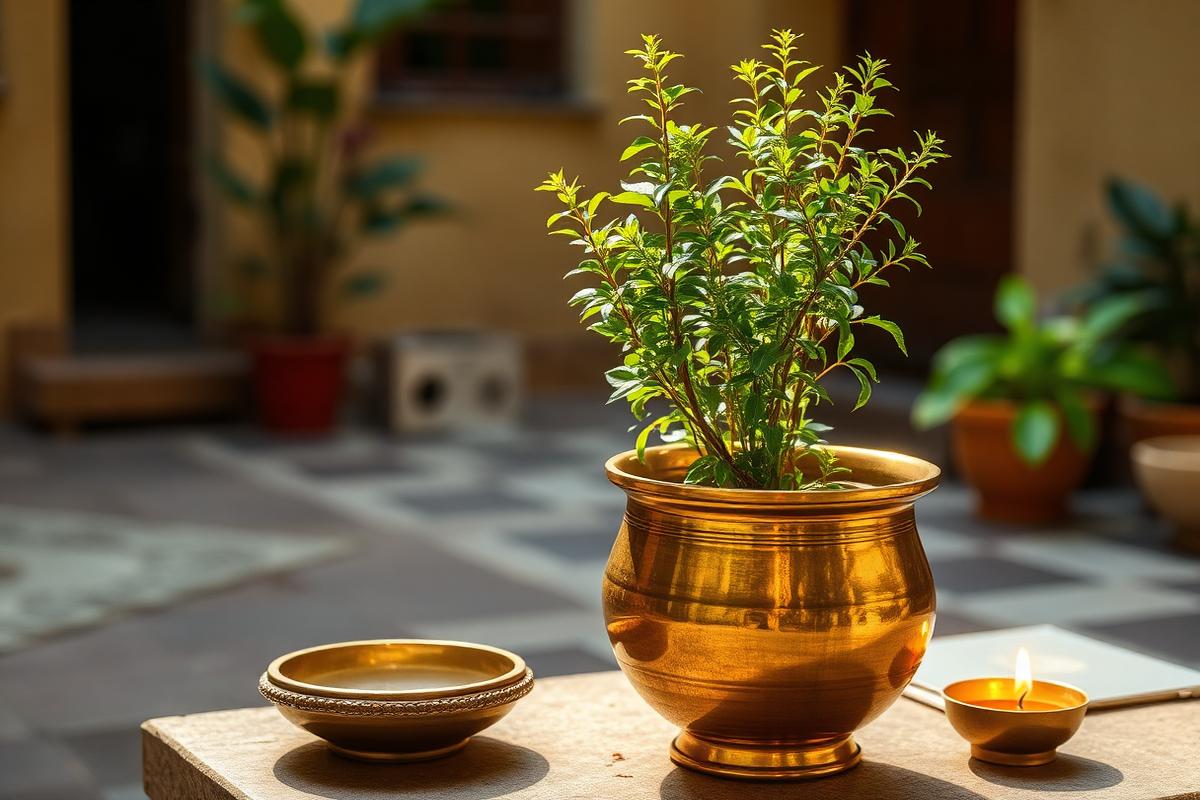
- Planting something together: Sawan's monsoon timing makes it an ideal month for a small joint gardening activity, even a tulsi sapling or a bilva sapling in a pot on a balcony, giving children a living thing to water and watch grow across the month, connecting the festival to something ongoing rather than a single day's event.
- Monsoon nature walks: A short walk after rainfall, pointing out the greenery, puddles, and the general freshness of the season, ties the natural monsoon experience directly to the festival's themes without requiring any explicit religious framing at all.
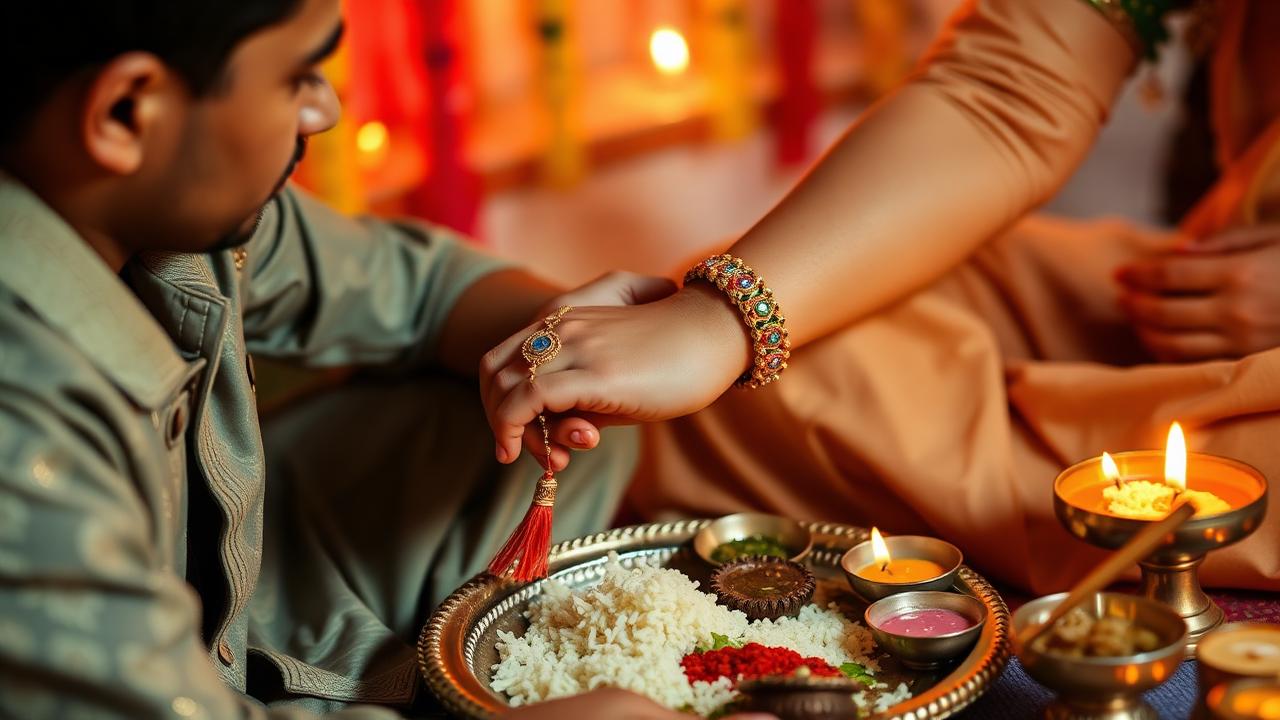
- Making a simple rakhi: As Sawan closes with Raksha Bandhan on 28 August 2026, spending an afternoon making a simple handmade rakhi together, rather than only buying one, extends the month's crafting energy into its final, joyful festival.
- Kajari and monsoon songs: Playing or singing simple monsoon folk songs at home introduces children to a cultural, musical dimension of the season that complements but doesn't require any specific religious explanation.
- A family show-and-tell: Occasionally asking each family member, including children, to share one thing they're grateful for that week, loosely tied to the spirit of the month, is a gentle, secular-feeling way to build a reflective habit without heavy religious language.
These activities work particularly well because they let a reluctant or shy child engage with Sawan on their own terms, through play and creativity, rather than only through formal ritual participation.
On Fasting: Why You Should Not Force Vrat on Young Children
This is worth addressing directly because well-meaning parents sometimes assume that a devoted family should have children fasting alongside adults from an early age. Most priests, paediatricians and family elders who have thought carefully about this actually advise strongly against it, for reasons worth understanding rather than dismissing.
- A vrat is a personal sankalp, not a group activity: Traditionally, a fast is understood as a vow an individual makes consciously and voluntarily, with a specific spiritual intention behind it. A young child, asked to skip meals simply because the family is fasting, isn't making that vow; they are following an instruction without the understanding that gives a fast its meaning.
- Children's bodies have different nutritional needs: Growing bodies require more consistent nutrition than adult bodies do, and skipping meals, even for a single day, is generally discouraged for young children by paediatric guidance, distinct from the question of religious appropriateness altogether.
- Forcing it can build negative association rather than devotion: A child made to feel hungry, irritable and left out of family meals in the name of religious observance, without genuinely choosing it, risks associating faith with discomfort and obligation rather than warmth, precisely the opposite of what the introduction is meant to achieve.
- What to do instead: If an older child, typically a pre-teen, expresses genuine interest in trying a partial fast, perhaps giving up sweets for a day or eating only fruit for one meal, this can be supported as their own choice, ideally after a conversation with a paediatrician if the child is particularly insistent on something more, rather than dismissed outright or encouraged into a full adult-style fast.
- Symbolic alternatives work better for young children: helping prepare the falahar meal without eating it themselves, sitting through the evening aarti, or taking on one of the puja tasks described earlier, all let a child participate meaningfully in the day's devotion without any dietary restriction at all.
The guiding principle worth repeating to any relative who pushes back on this: devotion introduced with warmth in childhood tends to last a lifetime; devotion introduced through pressure often doesn't survive adolescence.
Making It a Family Memory, Not a Chore
The single biggest factor in whether a child grows up with warm feelings about Sawan or sees it as one more obligation among many usually has less to do with the specific rituals taught and more to do with the emotional tone surrounding them.
- Answer honestly, including 'I don't know': Children ask difficult questions, why does Shiva have a snake around his neck, why do we fast, what happens if we forget a day, and parents don't need a perfect answer for every one. 'That's a good question, let's find out together' models curiosity far better than an invented or defensive answer.
- Model joy, not just obligation: Children are remarkably good at sensing whether an adult is performing a ritual out of genuine warmth or resigned duty. A parent who visibly enjoys the evening aarti, hums along to the Shiv Chalisa, or tells the Neelkanth story with real enthusiasm passes that feeling on far more effectively than any explanation of why the ritual matters.
- Keep it light on 'busy' days: On days when the household is genuinely stretched thin, a thirty-second version, lighting a diya and saying a one-line prayer together, keeps the thread of the month alive without turning devotion into another source of stress that children pick up on.
- Let traditions evolve slightly with each child: A family's exact Sawan practices will naturally shift a little with each generation, and that is not a loss of tradition but tradition doing what it has always done, adapting while keeping its core intact.
- Celebrate the small wins: A child who successfully rings the bell at the right moment, or remembers the one line of the mantra taught to them, deserves the same warm acknowledgment as any other achievement, reinforcing that this is something to feel proud of rather than something to get through.
🙏 The Vandnaa App's Shiv Chalisa audio, simple enough for children to hum along to, is a gentle way to make evening puja feel like a shared family moment rather than a lesson.
Frequently Asked Questions
At what age can children start participating in Sawan puja?+
Even toddlers as young as two or three can participate through simple sensory involvement, like ringing the bell or sitting nearby. Small hands-on tasks suit ages five to eight, while children nine and older can take on more of the ritual sequence itself.
Should children be made to fast during Sawan Somwar?+
No, most priests and paediatricians advise against it. A vrat is a personal, voluntary vow, and young children's bodies also need consistent nutrition. Symbolic participation, like helping prepare the meal, is a better fit for young children.
How do I explain the story of Shiva drinking poison to a young child?+
A simplified version works well: the gods and demons churned the ocean for nectar, but dangerous poison came out first. Shiva drank it to save everyone and held it in his throat, which turned blue, which is why we pour cool water on the Shivling today.
What are some easy Sawan activities for children beyond puja?+
Colouring Shivling or Om outlines, planting a small tulsi or bilva sapling together, taking a monsoon nature walk, and making a handmade rakhi for Raksha Bandhan are all engaging, low-pressure ways to connect children to the month.
How can I make Sawan puja fun rather than a chore for kids?+
Give children a fixed, recognisable role in the ritual, answer their questions honestly, model genuine enjoyment rather than obligation, and keep the practice flexible on busy days rather than treating every step as mandatory.
About the author
Pandit Mahesh Trivedi · Festival Traditions & Panchang
Pandit Mahesh leads the festival-date and Panchang content on Vandnaa. He cross-references multiple regional panchangs (Drik, Vaishnava, Bengali, Marathi) for every festival date published on the site.
Meet the Vandnaa editorial team →