Why Comparing Cities Even Makes Sense
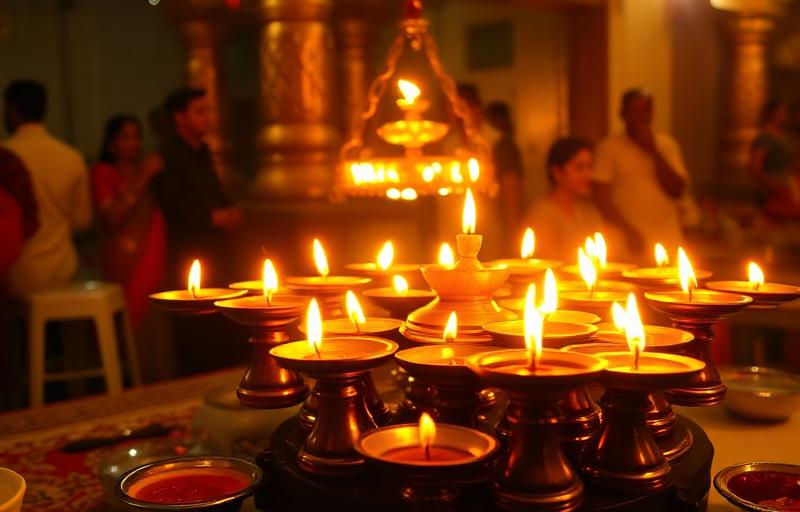
Sawan Somwar is observed by devotees across virtually every part of India, but the on-ground experience of the day looks strikingly different depending on which city a devotee is in, shaped by a mix of geography (whether a jyotirlinga or major Shiva temple sits within the city), climate, local tradition, and simply how large and organised the crowd-management infrastructure around a temple has become over the years.
With three of this year's four Sawan Mondays now behind us, 3, 10 and 17 August 2026, and the fourth and final one, 24 August, still ahead before the month closes with Raksha Bandhan on 28 August, this is a useful point in the month to look at how the pattern has actually played out city to city, rather than relying on the generic assumption that "Sawan Monday crowds" are one uniform experience nationwide.
A few structural factors explain most of the variation:
- Presence of a Jyotirlinga or major temple: Cities home to one of the twelve Jyotirlingas, Ujjain's Mahakaleshwar and Varanasi's Kashi Vishwanath being the most visited, draw devotees from far beyond the city itself, turning a local Monday observance into a regional or national pilgrimage event.
- Kanwar Yatra route proximity: Cities and towns along the main Kanwar routes (largely concentrated across Uttar Pradesh, Haryana, Delhi-NCR and parts of Bihar) see crowd patterns shaped as much by the yatra as by the Monday puja itself.
- Redevelopment and infrastructure: Temples that have undergone recent corridor or capacity expansion, most notably Kashi Vishwanath's corridor project, handle significantly larger crowds than they could a decade ago, changing the on-ground experience considerably even for a devotee who visited the same temple in past years.
- Regional devotional habits: In much of South India, Sawan Somwar is observed but doesn't carry the same city-wide temple-crowd scale seen in the North, since Shaiva devotional practice there follows a somewhat different calendar and temple-visit rhythm.
With that context, here is how the month has looked across a few major cities so far.
Varanasi and Ujjain: The Two Biggest Pulls
Varanasi's Kashi Vishwanath Temple has, in the years since the corridor redevelopment connecting the temple directly to the Ganga ghats, consistently drawn some of the largest single-day devotee numbers of any temple in the country on Sawan Mondays, with local administration and temple trust estimates for a single peak Monday often running into several lakh visitors. This year's first three Mondays followed a now-familiar pattern for the city: pre-dawn queues forming well before the temple's early opening, a steady flow of jalabhishek through the day via the specially organised queue system introduced after the corridor's expansion, and a visible surge specifically in the final two to three hours before the evening aarti. Traffic restrictions across large parts of the old city on Monday mornings have become routine enough that most local devotees now simply plan around them rather than treating them as disruptive.
Ujjain's Mahakaleshwar Temple, home to one of the most visited Jyotirlingas, sees a distinctly different rhythm built around its famous Bhasma Aarti, the pre-dawn ritual in which the deity is adorned with sacred ash, which requires advance booking that regularly fills up during Sawan weeks ahead of the actual date. This year, as in previous Sawans, the temple administration's online booking system for Bhasma Aarti slots became the practical bottleneck for out-of-town devotees more than the temple's general capacity did, several devotees have described securing a general darshan slot as considerably easier than securing a Bhasma Aarti one during peak Sawan Mondays. Ujjain's crowd pattern also differs in composition, drawing a large proportion of devotees travelling specifically for Sawan from Madhya Pradesh, Rajasthan and Gujarat, rather than the more locally concentrated crowd Varanasi sees from within Uttar Pradesh and Bihar.
Both cities share one practical reality worth noting for planning purposes: the second and third Mondays of the month consistently draw larger crowds than the first, as word travels and more devotees commit to a visit once the month's rhythm is underway.
Delhi-NCR: A Different Kind of Crowd
Delhi-NCR's Sawan Monday experience is structurally different from Varanasi or Ujjain's, because the region doesn't have a single dominant temple pulling the majority of devotees, instead spreading crowds across a large number of significant but individually smaller sites: the Gauri Shankar Temple in Chandni Chowk, Prachin Shiv Mandir locations across the city, and numerous neighbourhood temples that each see their own local surge rather than one city-defining crowd event.
What makes Delhi-NCR's Sawan distinct this year, as in previous years, is its position as one of the most active corridors for the Kanwar Yatra, with kanwariyas from within Delhi and neighbouring states converging on and passing through the region throughout the month, particularly heavy on weekends and around each Somwar. This creates a second, overlapping crowd pattern on top of the temple-visit one, road closures and diversions across several arterial routes have become a well-publicised, expected feature of Sawan Mondays for NCR commuters, with traffic police issuing advance advisories each week that residents have grown accustomed to checking before Monday travel.
The first three Mondays this year followed a pattern local commuters have described as fairly typical: manageable but noticeably heavier traffic through the morning, a genuine crush of both temple-goers and kanwar processions converging in the late afternoon and evening window, and specific hotspots, particularly around temples close to major kanwar convergence points, seeing the most acute congestion. Compared to Varanasi or Ujjain, where crowd intensity is concentrated almost entirely at the temple itself, Delhi-NCR's Sawan experience is more diffuse but arguably more disruptive to daily city life precisely because it isn't contained to one location.
Devotees who prioritise a quieter darshan in this region have increasingly gravitated toward early-morning visits, well before 7 am, or smaller neighbourhood temples over the handful of larger, more publicised ones.
Mumbai and the South: A Quieter, More Personal Sawan
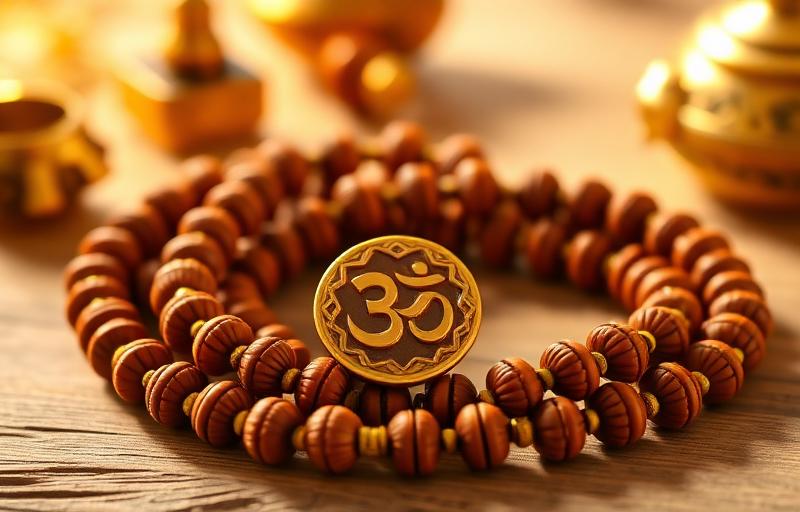
Mumbai's Sawan Monday experience centres on a different set of landmarks, chiefly the Banganga Tank area's Walkeshwar Temple and the Babulnath Temple near Malabar Hill, both of which see meaningfully increased footfall through the month without approaching the scale of a Varanasi or Ujjain. Mumbai's crowd pattern is shaped heavily by the city's working rhythm, the most noticeable surges this year came in the early morning before office hours and again in the evening after work, with a comparatively quieter mid-day compared to temple cities where pilgrims often have the entire day free to visit. The city's version of Kanwar-adjacent devotion tends to be smaller and more localised than the North Indian yatra, without the highway-scale processions seen across UP, Haryana and Delhi-NCR.
South Indian cities, including Chennai, Bengaluru and Hyderabad, show the most distinct pattern of all four regions covered here. Sawan Somwar is observed, particularly by devotees originally from North India now living in these cities, at temples like Chennai's Kapaleeshwarar or various ISKCON-adjacent and North Indian community temples, but it doesn't carry the city-wide crowd significance seen further north, largely because Shaiva devotional practice in much of South India follows its own distinct calendar, with festivals like Pradosham and the Tamil month of Aadi carrying comparable regional weight to what Sawan carries in the North. A Monday puja in these cities this year has, by most accounts, remained a meaningful but comparatively low-key, personal or family-scale observance rather than a citywide event with visible crowd-management challenges.
This contrast is worth sitting with: the same religious occasion, observed by devotees with equal sincerity, produces an enormous public event in one city and a quiet home ritual in another, shaped entirely by regional temple geography and calendar tradition rather than any difference in devotion itself.
What Made the Third Monday (17 August) Different
This year's third Sawan Somwar carried an added layer most Mondays don't: it coincided directly with Nag Panchami, observed on the same date, 17 August 2026, a genuine calendar overlap rather than an every-year occurrence. This combination visibly reshaped crowd patterns across several cities compared to the first two Mondays of the month.
In temple cities with significant Nag devta shrines or snake-worship traditions alongside their main Shiva temples, footfall on 17 August ran noticeably higher than the previous two Mondays, as devotees combined both observances into a single visit rather than treating them as separate occasions requiring separate trips. Several regional reports and temple trust statements this year noted this Monday as the most heavily attended of the three so far, consistent with the general pattern of later Sawan Mondays drawing larger crowds than earlier ones, compounded further by the Nag Panchami overlap specifically.
Markets around major temples saw a corresponding shift in what was being sold and bought, alongside the usual bel patra, milk and puja items, snake idols, silver or brass naag figurines, and Nag Panchami-specific offerings appeared prominently at stalls that on an ordinary Monday would carry only standard Shiv puja materials.
Traffic and crowd-management authorities in several cities reportedly treated 17 August with elevated precautions compared to the first two Mondays, anticipating exactly this kind of combined-occasion surge based on past years' experience with similar calendar overlaps, though the specific scale varied by city depending on how central Nag Panchami observance is to local tradition.
With the fourth and final Somwar (24 August) still ahead, and no comparable second festival overlapping it this year, most temple administrations and local observers expect that Monday to follow the more typical late-month pattern, elevated compared to the very first Monday of Sawan, but without the specific additional surge this year's Nag Panchami coincidence created.
Takeaways for Planning Next Year's Sawan Visit
For devotees already thinking ahead to Sawan 2027, or simply hoping to plan a less stressful visit for the remaining days of this year's month, this year's city-by-city pattern offers a few consistent, practical lessons.
Timing within the day matters more than timing within the month in most cities. Across Varanasi, Delhi-NCR and Mumbai alike, the consistent pattern this year was that early morning, ideally before 7 am, and very late evening after the peak aarti crowd has thinned, offered noticeably calmer darshan than the late afternoon to early evening window, when crowds across almost every city peaked.
The last two Mondays draw more people than the first. This pattern held across nearly every city covered here this year, and is worth planning around specifically: a devotee seeking a calmer first-time Sawan visit is generally better served by the first Monday of the month than the third or fourth.
Check for calendar overlaps in advance. This year's Nag Panchami coincidence with the third Somwar is a useful reminder to check whether a planned visit date overlaps with another festival before travelling, since combined-occasion Mondays reliably draw larger crowds than standalone ones.
Bhasma Aarti and similarly limited-slot rituals require booking weeks, not days, ahead. Ujjain's pattern this year reinforces that any ritual requiring advance registration should be booked as early as the booking window opens, not closer to the date, especially during Sawan.
Smaller neighbourhood temples offer a genuinely comparable spiritual experience to the major, crowded ones, without the crowd-management stress, a point several devotees in Delhi-NCR specifically and Mumbai made this year when asked why they chose a smaller temple over a well-known one.
📿 The Vandnaa App's temple crowd advisories and Sawan calendar can help plan the remaining Monday (24 August) around these patterns, whichever city a devotee is observing from.
Quick Answers
Which city sees the largest Sawan Somwar crowds in India?+
Varanasi's Kashi Vishwanath Temple and Ujjain's Mahakaleshwar Temple typically see the largest single-day crowds, often running into several lakh devotees on peak Mondays, due to their status as major Jyotirlingas and pilgrimage destinations.
Why did the third Sawan Somwar (17 August 2026) see bigger crowds than the first two?+
It coincided with Nag Panchami this year, a genuine calendar overlap, which led many devotees to combine both observances into a single temple visit, on top of the general pattern of later Sawan Mondays drawing larger crowds than earlier ones.
Is Sawan Somwar as big a public event in South India as in the North?+
Generally no. Shaiva devotional practice in much of South India follows a somewhat different calendar, with occasions like Pradosham and the Tamil month of Aadi carrying comparable regional significance, so Sawan Monday there tends to be a more personal or family-scale observance.
What time of day has the smallest crowds at major Shiva temples during Sawan?+
Early morning, generally before 7 am, and late evening after the peak aarti crowd thins out, consistently saw calmer darshan than the late afternoon to early evening window across most cities this year.
Why does Delhi-NCR's Sawan Monday feel different from Varanasi's?+
Delhi-NCR doesn't have one dominant temple pulling most devotees, so crowds spread across many smaller sites, while overlapping heavily with Kanwar Yatra traffic, making the disruption more city-wide but less concentrated at a single location than Varanasi's temple-centred crowd.
Does the first or the last Sawan Monday of the month usually see fewer crowds?+
The first Monday typically sees noticeably fewer crowds than the later ones, since footfall tends to build across the month. Devotees seeking a calmer, first-time visit are generally better served by the first Somwar than the third or fourth.
About the author
Pandit Mahesh Trivedi · Festival Traditions & Panchang
Pandit Mahesh leads the festival-date and Panchang content on Vandnaa. He cross-references multiple regional panchangs (Drik, Vaishnava, Bengali, Marathi) for every festival date published on the site.
Meet the Vandnaa editorial team →Explore on Vandnaa
Related Articles

Running or Supporting a Sawan Bhandara: A Practical Guide
7 min read
Sawan Ends, But These 5 Shiva Practices Continue Year-Round
7 min read
Kanwar Yatra 2026: Significance, Rules, History & What to Expect
11 min read
Sawan Somwar 2026: Dates, Vrat Vidhi, Shiv Mantras & Why Mondays in Sawan Are So Powerful
10 min read