Why Look at Sawan Somwar Vrat as Both Spiritual and Physical
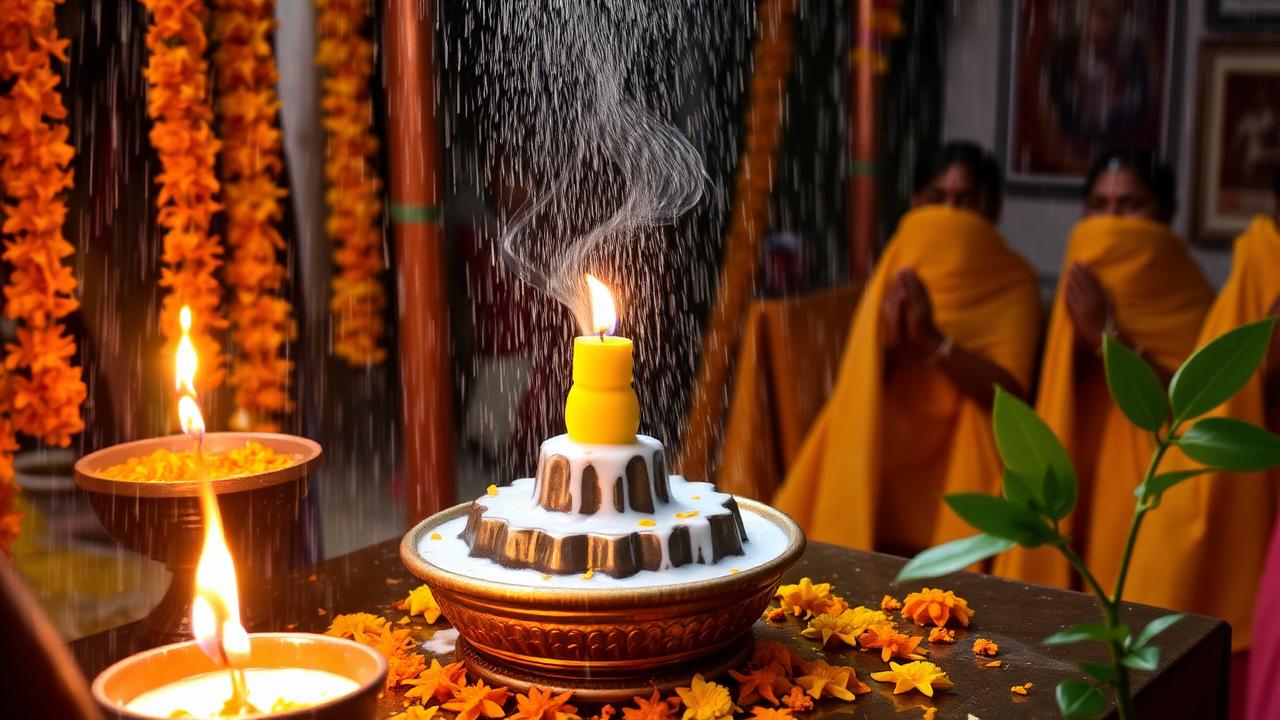
Sawan Somwar vrat is, first and foremost, an act of devotion - a vow taken to honour Lord Shiva across the four Mondays of Sawan (3, 10, 17 and 24 August 2026), built around temple visits, jalabhishek and a single phalahari meal at sunset. That devotional purpose comes first, and nothing below is meant to reframe the vrat as a diet plan or a wellness hack dressed in religious language.
At the same time, it would be dishonest to pretend the vrat has no effect on the body just because that isn't its primary intent. Any practice involving a structured, once-weekly change in eating pattern, timing and food type - sustained across a full month - has measurable effects on the people who observe it, some of which happen to overlap with what modern nutrition and behavioural science separately recognise as beneficial.
This guide looks at eight of those effects honestly, split across two categories:
- Genuinely spiritual and psychological benefits - the kind that show up in how a person feels, focuses and relates to their devotion
- Plausible, moderate physical benefits associated with periodic, structured fasting and lighter eating - described carefully, without overstating them as medical claims or cures for any condition
A necessary caveat before the list: this is not medical advice, and periodic fasting isn't appropriate for everyone - pregnant women, people managing diabetes, low blood pressure, eating disorders, or other health conditions should consult a doctor before undertaking any vrat, and adapt or skip it if advised to. Shiva, as most priests will remind devotees, values sincere intention over strict physical hardship - a modified vrat undertaken safely still counts fully.
1-2: Devotional Depth and the Discipline of Sankalp
1. A deeper, more consistent connection with Shiva. The structure of the vrat - the same devotional act repeated on the same day, four times across one month - builds a rhythm that a single, occasional temple visit doesn't. Psychologically and devotionally, repetition across a fixed period is what turns an isolated act of worship into a felt relationship; by the fourth Monday (24 August 2026), most regular observers describe the puja feeling less like a task completed and more like a conversation continued from the week before.
2. Sankalp shakti - the discipline of keeping a vow. Taking a sankalp (a formal, spoken intention) at the start of Sawan and following through on it for four consecutive Mondays is, at its core, a discipline-building exercise, regardless of the specific religious content involved. Completing something you committed to in advance - especially something that requires saying no to comfort (a favourite food, a lie-in, a skipped puja) on a fixed schedule - is one of the more direct ways discipline gets practised rather than just discussed. Many devotees report that the willpower built across a Sawan vrat carries over, at least somewhat, into other areas of life that require follow-through: work commitments, other health habits, or other ongoing responsibilities.
Both of these benefits depend entirely on the vrat being kept with genuine intention rather than mechanically - which is precisely why the tradition emphasises sankalp and bhav (devotional feeling) as the actual point, with the fasting and ritual serving as the vehicle rather than the goal itself.
3-4: Mental Clarity Through Mantra Japa and a Sense of Gratitude
3. Mental focus through repeated mantra japa. Chanting 'Om Namah Shivaya' or the Mahamrityunjaya mantra 108 times or more during each Monday's abhishek is, functionally, a concentrated attention practice - not unlike what secular meditation traditions describe as a focusing or grounding technique, just carried out with devotional rather than clinical intent. Devotees frequently describe the mind settling noticeably during and after japa, a calming effect that many carry with them well past the puja itself, into the rest of the day.
4. Gratitude and a lighter relationship with material desire. A phalahari meal eaten once at sunset, after a full day built around puja rather than errands or entertainment, tends to shift attention - if only for a day - away from routine wants and conveniences and toward what the day was actually for. This is closely related to the traditional idea of vairagya (detachment) that Shiva himself embodies as an ascetic god; the vrat doesn't require anyone to become an ascetic, but a once-weekly practice of consciously wanting less for a day is, for many people, one of the more accessible ways to experience even a small version of that detachment and remember what they're grateful for outside of daily convenience.
Together, these two benefits point to something the vrat does for the mind specifically, separate from anything physical - a weekly reset that many devotees say is difficult to replicate through any single non-religious practice with the same consistency, precisely because the religious structure is what makes it non-negotiable on the calendar.
5-6: What Periodic Fasting Does for Digestion and Eating Habits
5. A weekly digestive rest. Eating a single, light, easily digestible meal instead of the usual two or three heavier ones gives the digestive system meaningfully less to process for that day. This general pattern - sometimes described in modern nutrition contexts as time-restricted or intermittent eating - is associated in a growing body of research with improved digestive comfort and reduced bloating for many people, though individual results vary and this isn't a substitute for medical guidance on any diagnosed digestive condition. What can be said plainly: a day of lighter, simpler food gives most people's system a genuine break from its usual workload, which a majority of vrat-observers report experiencing as reduced heaviness and better digestion the following day.
6. More mindful, less automatic eating. Preparing a specific, limited phalahari meal - rather than eating whatever is convenient through the day - naturally slows down the act of eating and requires more intention: what to cook, when to eat it, what it means. Over four consecutive Mondays, this can start to build a broader awareness of eating patterns that some people find carries into how they eat on ordinary days too - not because the vrat sets out to teach portion control, but because any regularly repeated, intentional eating practice tends to make automatic, unconscious eating (grazing, eating while distracted) more noticeable by contrast.
Neither of these benefits requires interpreting the vrat as a health regimen - they are simply honest, plausible side effects of a devotional practice that happens to involve structured eating, worth naming rather than ignoring.
7-8: Routine, Rest and a Monsoon-Timed Hygiene Advantage
7. A more consistent sleep and wake routine, at least once a week. Sawan Somwar vrat typically involves waking before sunrise for bathing and puja, and eating the day's one meal by or soon after sunset rather than late at night. Both of these align with sleep-hygiene habits - earlier, lighter dinners and consistent early waking - that are independently associated with better sleep quality in general wellness guidance, even outside any religious context. A once-weekly enforced version of this routine, sustained across four Mondays, can function as a small, recurring reset for people whose daily routine otherwise drifts.
8. A built-in reason to eat more cautiously during a higher-risk food season. This benefit is specific to Sawan's timing rather than fasting in general: because the vrat naturally shifts the day's food toward simple, freshly prepared, easily sourced items (fruit, milk, a small phalahar) and away from elaborate, multi-ingredient cooking, it incidentally reduces exposure to some of the higher-risk food categories of the monsoon season - like the leafy vegetables and multi-day-old cooked food covered in this series' food safety guide. This isn't the vrat's intended purpose, but it's a genuine, useful overlap between religious timing and seasonal food caution that's worth naming rather than treating as pure coincidence.
As with the digestive and eating-pattern benefits above, these are modest, plausible advantages tied to routine and timing - not claims that the vrat prevents illness or replaces proper healthcare, sleep management or nutrition guidance for anyone with an actual medical need.
Keeping the Vrat Sensibly: Getting Both Benefits Safely
Getting the most out of Sawan Somwar vrat - spiritually and physically - depends less on how strictly it's kept and more on how sensibly it's adapted to the person keeping it.
For generally healthy adults: the traditional format (single phalahari meal at sunset, water and milk through the day) is well-tolerated by most people and is exactly the format that produces the benefits described above. Four Mondays is a short enough duration that genuine nutritional deficiency isn't a realistic concern for a healthy adult.
For those with diabetes, low blood pressure, or on regular medication: skipping meals or fasting for extended periods can interact with medication timing and blood sugar regulation in ways that need a doctor's input first. A common, accepted adaptation is eating small amounts through the day (fruit, nuts, milk) rather than a single evening meal, while still keeping the puja, mantra japa and devotional structure fully intact - the spiritual benefits above don't depend on strict caloric restriction.
For pregnant or breastfeeding women, children, and the elderly: most priests and family elders would recommend a modified or symbolic vrat - reduced fasting hours, or substituting a full fast with simply avoiding grains and non-vegetarian food for the day - over a strict fast that risks health for the sake of ritual precision.
The one-line summary worth remembering: Shiva is widely described as 'Bhole Bhandari' - easily pleased, valuing sincerity over severity. A vrat kept with genuine devotion and sensible physical limits delivers essentially all the benefits covered in this guide; a vrat kept rigidly at the cost of health delivers the physical risk without any additional spiritual credit for the added hardship.
📿 The Vandnaa App's Sawan Somwar tracker logs your vrat streak across all four Mondays and includes a mantra counter for your daily japa.
Reader Questions Answered
Does Sawan Somwar vrat have any proven medical benefits?+
There's no medical claim that the vrat cures or prevents any specific illness. What it does align with is general, well-supported wellness guidance - lighter eating, consistent routine, and mindful food choices - which is why some of its effects overlap with recognised healthy habits, without being a substitute for medical care.
Can I keep Sawan Somwar vrat if I have diabetes or low BP?+
Consult your doctor first. A common safe adaptation is eating small amounts through the day rather than fasting until sunset, while keeping the puja and devotional practice fully intact - the spiritual benefits don't require strict fasting.
Is it necessary to do all 4 Sawan Mondays to get any benefit, or does even one help?+
Even a single Sawan Somwar observed sincerely has spiritual value and some of the same short-term effects on digestion and mindfulness. Completing all four does add the specific benefit of built discipline and sustained routine, which a single day alone can't fully replicate.
Does fasting on Sawan Somwar help with weight loss?+
It isn't designed for or reliably a weight-loss practice - a single weekly lighter meal for four weeks is unlikely to produce significant sustained weight change on its own. Any such effect would be a minor side effect of eating pattern changes, not the vrat's purpose or a guaranteed outcome.
What if I break the vrat accidentally on one of the four Mondays?+
Most traditions treat this gently - completing a simple prayaschitta (a short remedial prayer or an extra round of mantra japa) and continuing with the remaining Mondays is generally considered sufficient. The devotional intent behind the vrat matters more than a single missed or broken day.
Can children observe Sawan Somwar vrat, and should they?+
Full fasting isn't recommended for young children. Many families instead introduce a symbolic version - joining the puja, avoiding non-vegetarian food for the day, or a shortened fast for older teens - as a gentle, age-appropriate way to build familiarity with the tradition without any health risk.
About the author
Pandit Mahesh Trivedi · Festival Traditions & Panchang
Pandit Mahesh leads the festival-date and Panchang content on Vandnaa. He cross-references multiple regional panchangs (Drik, Vaishnava, Bengali, Marathi) for every festival date published on the site.
Meet the Vandnaa editorial team →