Who Is Sharabha?
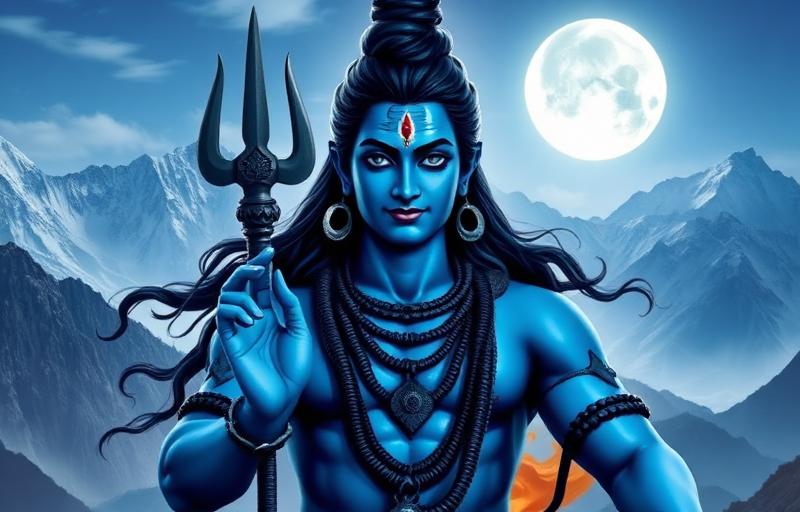
Sharabha (also called Sharabheshwara) is a fierce, composite form of Bhagwan Shiva described in certain Puranic and Agamic traditions, especially those followed in South India.
Sharabha is usually pictured as a mighty being who is part bird and part beast - with the body of a lion or beast, powerful wings, sharp talons and a fearsome roar. Some depictions show multiple limbs and a form that towers over the earth. This is not a form of anger for its own sake. In the tradition it appears with a single purpose: to restore balance when even a divine force has become too fierce to be calmed by ordinary means.
The Sacred Katha of Sharabha and Narasimha
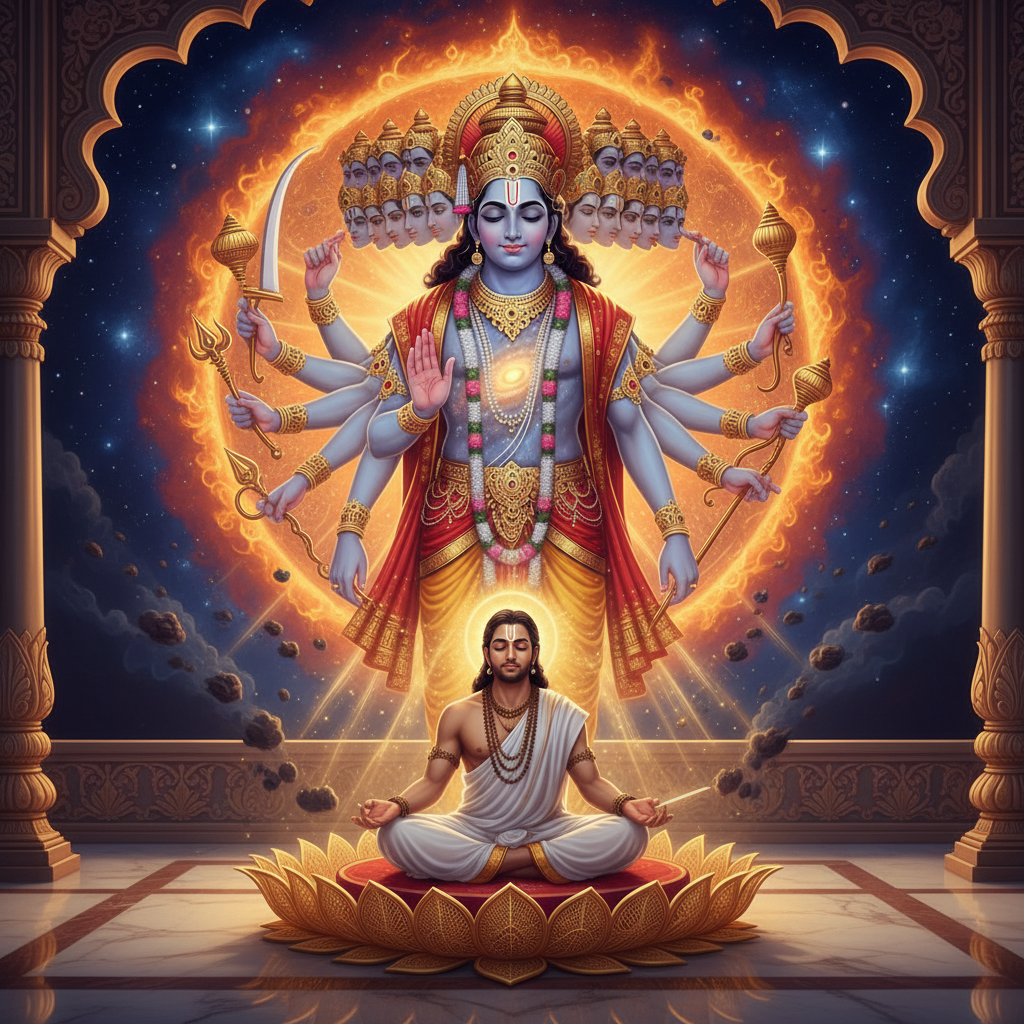
According to this tradition, after Bhagwan Vishnu took the Narasimha form to protect his devotee Prahlad and end the tyrant Hiranyakashipu, the fury of that half-lion form did not subside easily. The whole creation is said to have trembled before this unspent rage.
The devas prayed to Bhagwan Shiva for help. Shiva then took the form of Sharabha and approached Narasimha with immense power, yet the deeper aim was not conflict but calming. The encounter is held as the moment when the burning energy of Narasimha was gently gathered and settled, and peace returned to the worlds. It is important to remember that in Sanatan tradition both Shiva and Vishnu are supreme; the katha is understood as a lesson about balancing energies, not a rivalry between the two.
The Deeper Meaning and How It Is Honoured
The Sharabha form carries a quiet inner teaching for every devotee.
- The calming of anger - even a righteous force, when unchecked, needs to be brought back to balance. Sharabha is the power that settles rage into steadiness.
- Grace behind fierceness - the fearsome form hides a compassionate purpose, reminding us that strength is meant to protect and heal, not merely to destroy.
- Every energy has its bound - the katha teaches that all powers, however great, rest within a larger order.
Sharabha is worshipped in a few temples, especially in Tamil Nadu, and devotees traditionally pray to this form for protection and for the calming of inner and outer disturbances. It is honoured with reverence as a rare and powerful aspect of Bhagwan Shiva.
Common Questions From Devotees
What is the Sharabha avatar of Shiva?+
Sharabha is a fierce, part-bird and part-beast form of Bhagwan Shiva described in Puranic and Agamic traditions. In sacred katha, it appeared to calm the intense rage of the Narasimha form and restore balance to creation.
Does the Sharabha katha mean Shiva and Vishnu are rivals?+
No. In Sanatan Dharma, Shiva and Vishnu are both supreme and honoured equally. The Sharabha katha is understood as a lesson about balancing intense energies, not as a contest, and many traditions read Hari and Hara as one divine reality.
Why do devotees worship the Sharabha form?+
Devotees traditionally worship Sharabheshwara for protection and for the calming of fear, anger and negativity, both within and around them. The form is revered as a powerful, grace-filled aspect of Bhagwan Shiva and is honoured in a few dedicated temples, mainly in South India.
About the author
Anjali Mehta · Editor, M.A. Religious Studies
Anjali is the managing editor for Vandnaa and oversees the festival and vrat coverage. She holds an M.A. in Religious Studies and reviews every published article for accuracy, accessibility, and tradition-fidelity.
Meet the Vandnaa editorial team →