Who Makes Up the Shiv Parivar?
The Shiv Parivar is the divine family centred on Lord Shiva. Its members are:
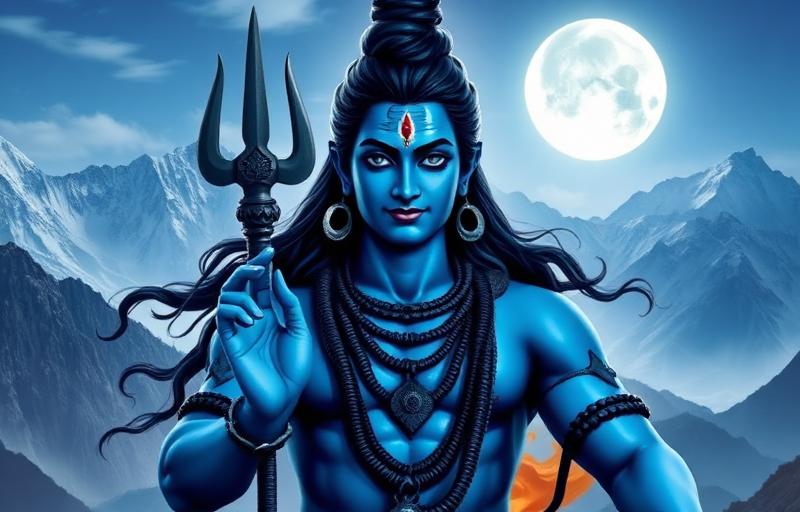
- Bhagwan Shiva (Mahadev) - the supreme ascetic, lord of destruction and transformation, and the loving head of the family.
- Mata Parvati (Shakti) - Shiva's consort, the divine mother and source of cosmic energy.
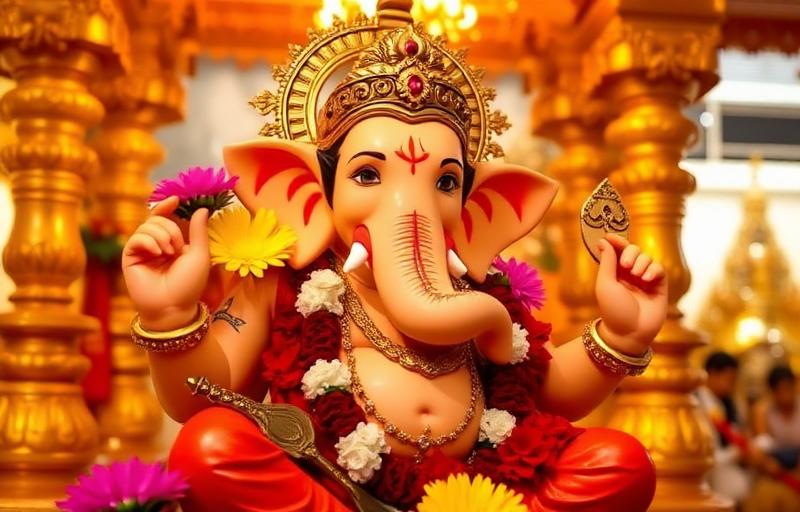
- Bhagwan Ganesha - their elder son, the remover of obstacles, worshipped first in every puja.
- Bhagwan Kartikeya (Skanda/Murugan) - their younger son, the commander of the divine army and god of valour.
- Nandi - Shiva's bull vahana and foremost devotee, ever present with the family.
The mouse (Ganesha's vahana), the peacock (Kartikeya's vahana) and the serpent around Shiva's neck are also part of this household, making it the most complete and beloved divine family.
What Each Member Represents
Each member of the Shiv Parivar embodies a great principle:
- Shiva is pure consciousness and detachment - the still centre of the universe.
- Parvati is Shakti, the active power and nurturing love that brings consciousness to life.
- Ganesha is wisdom and the removal of obstacles - which is why he is honoured first.
- Kartikeya is courage, discipline and the destruction of evil.
- Nandi is devotion, patience and dharma.
The deepest teaching is the union of Shiva and Shakti - consciousness and energy - from which all creation flows. The two sons show the balance of wisdom (Ganesha) and valour (Kartikeya) that a complete life needs. Together, the family holds opposites in perfect harmony.
A Family That Holds Opposites in Harmony
What makes the Shiv Parivar so loved is that its members are utterly different, even with natural rivalries among their animal vahanas, yet they live in perfect harmony:
- The serpent around Shiva's neck and the peacock of Kartikeya are natural enemies, yet they rest together.
- The serpent and Ganesha's mouse, the lion of Parvati and Nandi the bull - all opposites - coexist in love.
This is the family's profound message: where there is divine love, even natural opposites live in peace. The Shiv Parivar is therefore revered as the ideal of a harmonious household, where each member is different yet bound by devotion and mutual respect. The famous story of Ganesha and Kartikeya circling their parents to win a contest also teaches that love and wisdom for one's parents is the highest journey of all.
Worshipping the Shiv Parivar at Home
Many homes keep a single Shiv Parivar image or murti, worshipping the whole family together:
- Order of worship: Begin with Ganesha (always first), then Shiva and Parvati, then Kartikeya and Nandi.
- Offerings: Bel patra and water for Shiva, red flowers and sindoor for Parvati, durva grass and modak for Ganesha, and a ghee lamp for all.
- Mantras: Chant Om Namah Shivaya, the Ganesh mantra and a Devi mantra, honouring each member.
- Festivals: The family is especially worshipped together on Maha Shivratri, and individually on Ganesh Chaturthi and Skanda Shashti.
Worshipping the Shiv Parivar is traditionally believed to bring harmony, wisdom and strength to one's own family, and to bless the home with the spirit of unity that the divine family embodies.
Common Questions From Devotees
Who are the members of the Shiv Parivar?+
The Shiv Parivar consists of Lord Shiva, Mata Parvati, their sons Ganesha and Kartikeya, and Nandi, Shiva's bull vahana. The vahanas - the mouse, peacock and serpent - are also considered part of the divine household.
What does the Shiv Parivar symbolise?+
It symbolises the union of consciousness (Shiva) and energy (Shakti), the balance of wisdom (Ganesha) and valour (Kartikeya), and devotion (Nandi). Above all it represents harmony - even natural opposites living together in divine love.
Why are the family's vahanas natural enemies?+
The serpent and peacock, and the snake and mouse, are natural opposites, yet they live peacefully within the Shiv Parivar. This is the family's central teaching - where there is divine love, even natural enemies rest together in harmony.
How should the Shiv Parivar be worshipped at home?+
Worship Ganesha first, then Shiva and Parvati, then Kartikeya and Nandi. Offer bel patra to Shiva, red flowers to Parvati, durva and modak to Ganesha, and a ghee lamp to all, while chanting Om Namah Shivaya and the relevant mantras.
About the author
Pandit Ravindra Sharma · Vedic Rituals & Bhakti, 22+ years
Pandit Ravindra is the Vandnaa editorial team's resident specialist on aarti, chalisa, and daily devotion. He has performed home and temple pujas across Varanasi and Delhi for over two decades and contributes the bhakti-focused articles on this site.
Meet the Vandnaa editorial team →