What Is the Shiva Beej Mantra Hraum
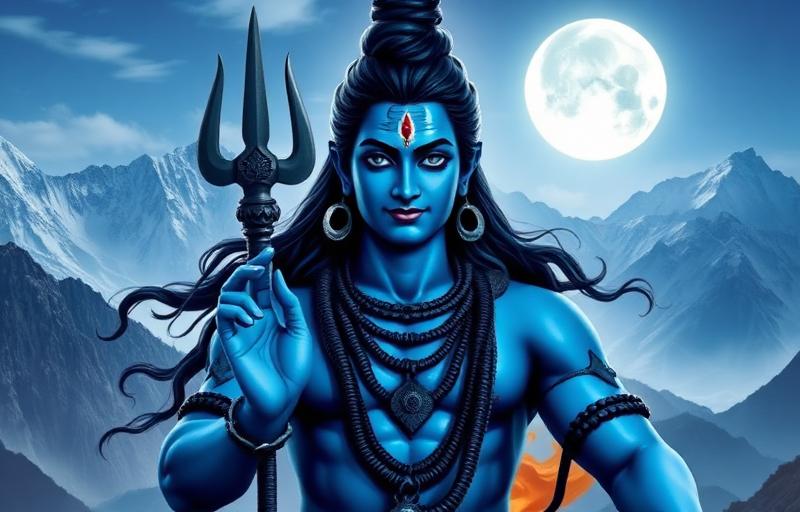
Hraum is regarded in tantric and Shaiva tradition as a beej mantra of Lord Shiva in his form as Rudra, chanted in the fuller form Om Hraum Namah Shivaya, meaning 'salutations to Shiva, who is invoked through the sound Hraum'. It is one of several sacred sounds tradition connects to him, alongside his own five-syllabled Om Namah Shivaya.
Where Namah Shivaya is a mantra of surrender addressed directly to Shiva by name, Hraum belongs to the tantric science of beej sound, understood as carrying his energy in its most concentrated, unspoken form.
Scriptural Origin and Tradition
Shiva's worship through sound has deep Vedic roots in the Rudram and Chamakam hymns of the Yajurveda, which praise him in his fierce and gracious aspects alike. Tantric texts devoted to Shiva later distilled this reverence into concentrated beej forms such as Hraum, used particularly in Rudra worship and in certain Shivalinga rituals.
This beej is chanted with special devotion during Maha Shivratri, on Mondays, and by practitioners engaged in Rudra Abhishekam, the ritual bathing of the Shivalinga with sacred substances while chanting mantras.
The Meaning Held Within the Sound
Tradition holds that Hraum combines the energy of maya, illusion's dissolving power, with Shiva's own transformative fire, together forming a sound believed to burn away confusion and reveal what is unchanging beneath it. This is consistent with Shiva's role in Hindu tradition as the destroyer of ignorance rather than merely an ender of things.
The closing anuswara, as in other beejas, points toward the formless, the nirguna aspect of Shiva that exists beyond even the Shivalinga devotees worship in temples.
How and When Devotees Chant Hraum
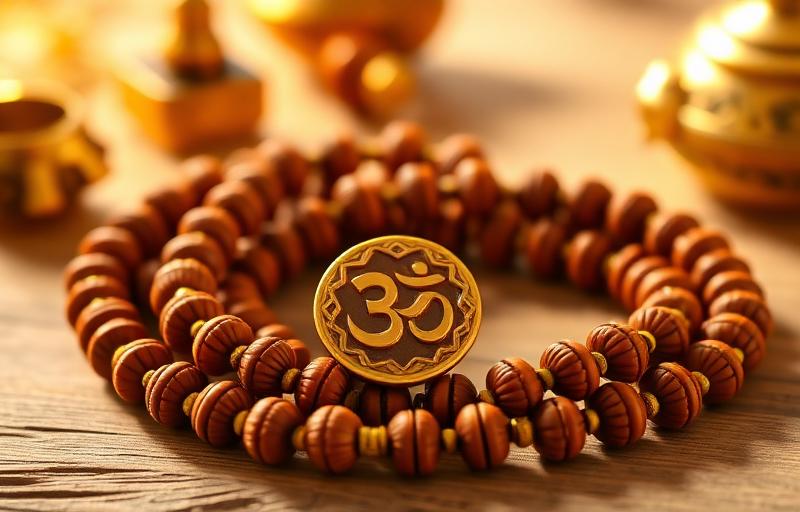
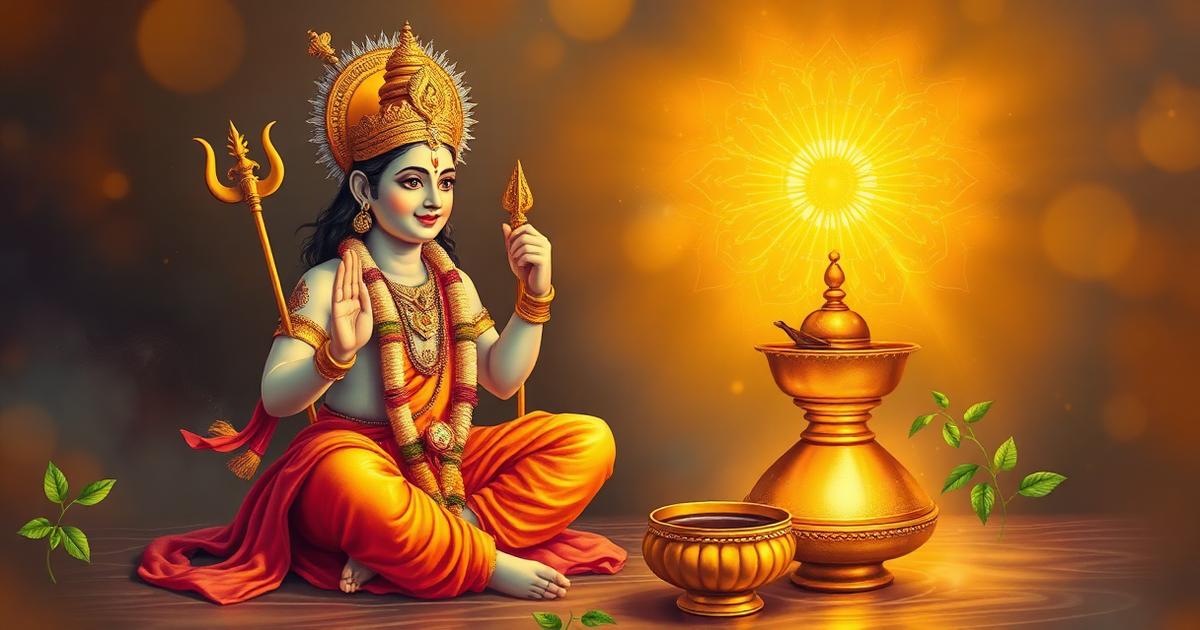
Om Hraum Namah Shivaya is traditionally chanted early in the morning after a bath, seated before a Shivalinga or an image of Shiva, often on Mondays and through the auspicious month of Shravan. Many devotees chant it during or after offering water, milk or bilva leaves.
- A rudraksha mala is the traditional choice for counting repetitions
- 108 repetitions is the most common count, though some devotees do longer sadhana during Shravan
- It is often chanted alongside the Maha Mrityunjaya Mantra during difficult times
- Devotees are generally advised to chant with a calm, unhurried breath rather than speed
Benefits as Per Tradition
As per tradition, chanting Hraum with devotion is believed to bring inner steadiness, courage during hardship, and a quiet detachment from what disturbs the mind. Devotees believe it supports the release of fear, anger and old grief, in keeping with Shiva's role as the deity who absorbs what is difficult so devotees may find peace.
It is also associated with focus in meditation, many practitioners using it as a point of concentration during long sittings, seeking the same stillness Shiva embodies as the eternal yogi.
A Simple Daily Practice
Hraum does not require an elaborate abhishekam to hold meaning for a devotee. Even a few calm repetitions before a small lamp or a picture of Shiva at home are, in tradition, considered a sincere offering.
As with all mantra practice, chanting Hraum is an act of faith and love, not a transaction, a quiet way of turning toward the stillness Shiva represents amid the noise of daily life.
Common Questions From Devotees
What does the Shiva beej mantra Hraum mean?+
Hraum is regarded as a beej mantra of Lord Shiva in tantric tradition, believed to carry his energy of transformation and the dissolving of illusion. It is chanted as Om Hraum Namah Shivaya.
How is Hraum different from Om Namah Shivaya?+
Om Namah Shivaya is Shiva's own five-syllabled mantra of surrender, addressed to him by name. Hraum is a tantric beej sound believed to carry his energy in concentrated form, and the two are often chanted together.
When is the best time to chant this mantra?+
Mondays, the month of Shravan and Maha Shivratri are traditionally considered especially auspicious, though devotees may chant it with sincerity at any time, ideally after bathing and in a calm state of mind.
About the author
Acharya Vinaya Kapoor · M.A. Sanskrit, Mantra & Stotra Studies
Acharya Vinaya holds an M.A. in Sanskrit from Banaras Hindu University and writes the mantra and stotra commentary on Vandnaa. Her focus is on accurate pronunciation, traditional context, and helping modern readers connect with classical texts.
Meet the Vandnaa editorial team →