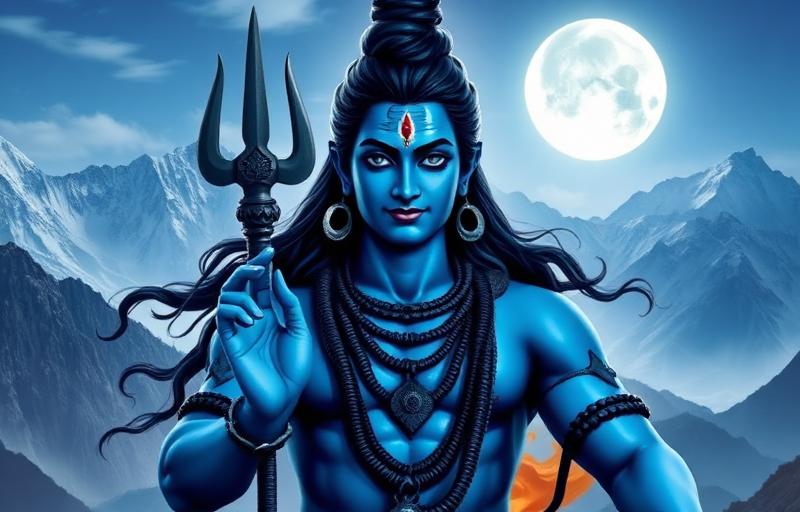
What Is Shiva Panchakshara Stotram?
The Shiva Panchakshara Stotram is a beautiful five-verse hymn, attributed to Adi Shankaracharya, in praise of Lord Shiva. Panchakshara means 'five letters', referring to the great mantra Na-Ma-Shi-Va-Ya (Namah Shivaya).
Each of the five verses begins with one of these five letters and offers obeisance to a particular aspect of Shiva - the serpent-garlanded lord, the one smeared with sacred ash, the auspicious one, the three-eyed one, and the lord worshipped by the gods. A sixth concluding verse declares the fruit of reciting the hymn. It is among the most loved short Shiva stotras, perfect for daily worship.
The Verses with Meaning
Verse 1 (Na):
नागेन्द्रहाराय त्रिलोचनाय भस्माङ्गरागाय महेश्वराय। नित्याय शुद्धाय दिगम्बराय तस्मै नकाराय नमः शिवाय॥
Nagendra-haraya trilochanaya, Bhasmanga-ragaya maheshvaraya, Nityaya shuddhaya digambaraya, Tasmai na-karaya namah shivaya.
Meaning: To the one who wears the king of serpents as a garland, who has three eyes, whose body is smeared with sacred ash, the great Lord, eternal, pure, clad in the directions (sky-clad) - to him, represented by the letter Na, I bow, Namah Shivaya.
Verse 2 (Ma):
मन्दाकिनीसलिलचन्दनचर्चिताय नन्दीश्वरप्रमथनाथमहेश्वराय। मन्दारपुष्पबहुपुष्पसुपूजिताय तस्मै मकाराय नमः शिवाय॥
Mandakini-salila-chandana-charchitaya, Nandishvara-pramatha-natha-maheshvaraya, Mandara-pushpa-bahu-pushpa-supujitaya, Tasmai ma-karaya namah shivaya.
Meaning: To the one anointed with the waters of the Ganga and with sandal paste, the lord of Nandi and the ganas, the great Lord, worshipped well with mandara and many flowers - to him, represented by the letter Ma, I bow, Namah Shivaya.
Verse 3 (Shi):
शिवाय गौरीवदनाब्जवृन्द सूर्याय दक्षाध्वरनाशकाय। श्रीनीलकण्ठाय वृषध्वजाय तस्मै शिकाराय नमः शिवाय॥
Shivaya gauri-vadanabja-vrinda, Suryaya dakshadhvara-nashakaya, Shri-nilakanthaya vrishadhvajaya, Tasmai shi-karaya namah shivaya.
Meaning: To the auspicious one, the sun that opens the lotus-face of Gauri, the destroyer of Daksha's sacrifice, the blue-throated one bearing the bull on his banner - to him, represented by the letter Shi, I bow, Namah Shivaya.
Significance & Benefits
The five letters Na, Ma, Shi, Va, Ya are said to represent the five elements - earth, water, fire, air and ether - so the Panchakshara mantra honours Shiva as the whole of creation. By devoting one verse to each letter, the stotram turns the simple act of chanting Namah Shivaya into a full contemplation of Shiva's glory.
Benefits:
- Deepens the practice of the Panchakshara mantra, Om Namah Shivaya.
- Brings peace, purity and protection; calms the mind and removes fear.
- The concluding verse promises that one who recites it in Shiva's presence attains Shiva's abode.
- Easy to learn yet rich in meaning, ideal for daily and Monday (Somvar) worship and for Shravan and Mahashivratri.
- Cultivates devotion (bhakti) and steadiness, and is believed to wash away sins and obstacles.
How to Chant the Panchakshara Stotram
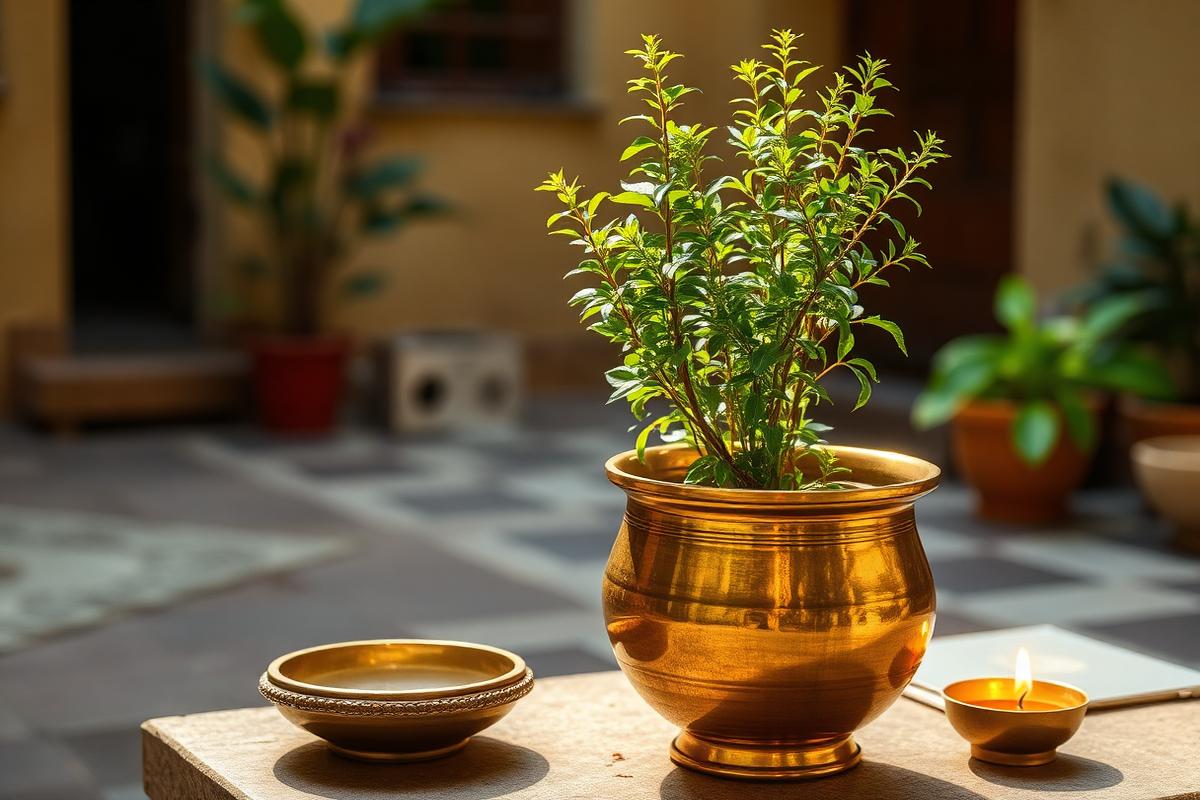
1. Time: Best at dawn or dusk, on Mondays, during Shravan and on Mahashivratri. Daily recitation is excellent. 2. Setup: Sit before a Shivling or an image of Shiva. Light a lamp, offer bel patra, white flowers and water; some apply vibhuti (ash) on the forehead. 3. Posture and intent: Sit calmly facing east or north, take a sankalp, and bring Shiva to mind. 4. Recitation: Chant the five verses clearly, pausing on the Namah Shivaya at the close of each. Reciting 1, 3 or 5 times is common. 5. Close: Recite the final phala-shruti verse, then sit quietly repeating Om Namah Shivaya on a rudraksha mala. 6. Offer water (abhishek) to the Shivling and conclude with aarti.
The stotram pairs naturally with the Mahamrityunjaya Mantra and Om Namah Shivaya japa.
Quick Answers
What does Panchakshara mean?+
Panchakshara means 'five letters', referring to the mantra Na-Ma-Shi-Va-Ya (Namah Shivaya). The stotram devotes one verse to each of these five sacred letters of Lord Shiva's great mantra.
What does Nagendraharaya mean?+
Nagendraharaya means 'to the one who wears the king of serpents as a garland'. It is the opening word of the first verse, describing Shiva adorned with the serpent Vasuki around his neck.
Who composed the Shiva Panchakshara Stotram?+
The Shiva Panchakshara Stotram is traditionally attributed to Adi Shankaracharya, the great Advaita teacher who composed many devotional hymns to Shiva, Devi, Vishnu and other deities.
When should I chant the Panchakshara Stotram?+
It can be chanted daily, especially at dawn or dusk. Mondays (Somvar), the month of Shravan and Mahashivratri are considered most auspicious for reciting it before a Shivling or image of Shiva.
About the author
Acharya Vinaya Kapoor · M.A. Sanskrit, Mantra & Stotra Studies
Acharya Vinaya holds an M.A. in Sanskrit from Banaras Hindu University and writes the mantra and stotra commentary on Vandnaa. Her focus is on accurate pronunciation, traditional context, and helping modern readers connect with classical texts.
Meet the Vandnaa editorial team →