What is Shiva Sahasranama?
Shiva Sahasranama (शिव सहस्रनाम) is the 'thousand names of Shiva' - found in multiple Hindu scriptures, with the most famous version in the Anushasana Parva of Mahabharata (recited by Bhishma to Yudhishthira). Other major versions exist in the Linga Purana, Shiva Purana, and Skanda Purana. Each names 1000 attributes of Shiva. The hymn takes approximately 40-45 minutes to recite. Position in Shiva literature: 1. Om Namah Shivaya (Panchakshari, 5-syllable) - universal daily. 2. Maha Mrityunjaya Mantra (32-syllable) - health/life protection. 3. Shiva Ashtottara (108 names) - focused jap. 4. Rudrashtakam (8 verses by Tulsidas) - emotional surrender. 5. Sri Rudram (Vedic, 11 anuvakas) - Vedic foundation. 6. Shiva Sahasranama (1000 names) - supreme depth. Why 1000 names: Like Vishnu and Hanuman Sahasranama, the 1000 names of Shiva train the mind to see Shiva from all possible angles - Mahadev, Mahakal, Rudra, Bhairav, Pashupati, Mahesh, Bholenath, Ardhanarishvara, Dakshinamurti, Nataraja, and 990 more aspects. Each name carries one specific cosmic power. Categories of the 1000 names: 1. Creation aspects (Brahma-form names, 1-100). 2. Destruction aspects (Rudra, Mahakal, Bhairav names, 100-300). 3. Cosmic dance and joy (Nataraja, Anandamurti names, 300-450). 4. Yoga and meditation (Yogeshwar, Adi Yogi names, 450-600). 5. Family aspects (Pati, Pita, Mahadev names - relating to Parvati and family, 600-750). 6. Pashupati / Lord of animals/beings (750-850). 7. Liberation-granting (Mokshada, Param Brahman, 850-1000).
20 Most Powerful Names of Shiva (with Meaning)
1. Om Shivaya Namah - the auspicious one. 2. Om Maheshwaraya Namah - great lord of all. 3. Om Mahadevaya Namah - greatest deity. 4. Om Rudraya Namah - the fierce. 5. Om Pashupataye Namah - lord of all beings. 6. Om Sadashivaya Namah - eternally auspicious. 7. Om Mahakalaya Namah - great time/death conqueror. 8. Om Bhairavaya Namah - terrible/fierce form. 9. Om Nilakanthaya Namah - blue-throated (held cosmic poison). 10. Om Trinetraya Namah - three-eyed. 11. Om Tryambakaya Namah - three-mothered (born of 3 mothers symbolically). 12. Om Gangadharaya Namah - bearer of Ganga in his hair. 13. Om Chandrashekharaya Namah - moon-crested. 14. Om Nataraja Namah - cosmic dancer. 15. Om Yogishwaraya Namah - lord of yogis. 16. Om Bhutapataye Namah - lord of bhutas (beings). 17. Om Mrityunjayaya Namah - conqueror of death. 18. Om Ardhanarishvaraya Namah - half-male, half-female (Shiva-Shakti). 19. Om Pasupateshwaraya Namah - supreme lord of all life. 20. Om Sarveshvaraya Namah - lord of all. The 'top 20' practice - for those who can't commit to full 45-min Sahasranama daily, recite these 20 names with 'Om...Namah' on each, total ~6 minutes. Do morning and evening. Considered ~40% of full Sahasranama benefit. Mantra-energizing the names: Each name should be recited with a small pause + visualization of that aspect of Shiva. E.g., 'Mahakal' - visualize Shiva as the cosmic destroyer with skull garland. 'Nataraja' - visualize Shiva dancing. This 'visual recitation' is 100x more powerful than mechanical chanting.
Recitation Vidhi for Shiva Sahasranama
Best days: Monday (Shiva's day) and Saturday. Pradosh (13th tithi twice a month). Mahashivaratri (Phalgun Krishna 14, Feb-March) - supreme day. Sawan (Shravan) Mondays - entire Shravan month is Shiva-prime time. Best time: Brahma Muhurta (4-6 AM) or Pradosh kaal (sunset transition, 5-7 PM). Midnight on Mahashivaratri. Materials: 1. White or wool aasan. 2. Shiva lingam OR Shiva idol/photo. 3. Bilva (bel) leaves - Shiva's most sacred plant. 4. Bhasma (sacred ash) for tilak. 5. White flowers (or aak/calotropis flowers - Shiva's special). 6. Cold milk, water, or panchamrit for abhishek (if lingam present). 7. Cotton wick ghee diya. 8. Rudraksha mala (5-mukhi, 108 beads). Preparation: 9. Cold bath (Shiva's signature). 10. Wear white clothes. 11. Apply bhasma tilak in 3 horizontal lines on forehead (tripundra). 12. Sit on white/wool aasan facing east or north. Sankalpa: Hold water + bilva leaf in right palm. State: 'I, [name], gotra [gotra], on this [tithi], recite Shiva Sahasranama for [purpose: liberation / health / family welfare / removing dosha] surrendering at Mahadev's feet'. Drop water. The chanting (40-45 min): 13. Begin with 'Om Namah Shivaya' (11 times) as invocation. 14. Then recite 'Om Tryambakam Yajamahe' Maha Mrityunjaya Mantra (3 times) for protection. 15. Begin Sahasranama. Maintain meditative pace - feel each name as a different aspect of Shiva. 16. Optionally, after every 100 names, offer one bilva leaf at Shiva's idol/feet. 17. By name 1000, you've offered 10 bilva leaves total. Closing: 18. After name 1000, sit silently for 10 minutes - this 'absorption' period is when Shiva's grace settles. 19. Aarti with camphor + ghee diya. 20. Distribute prasad (panchamrit, milk-sugar). 21. Don't talk for 30 minutes after - let the energy integrate. Mahashivaratri special: On Mahashivaratri, recite Sahasranama 4 times - once in each of the 4 prahars of the night (sunset to sunrise divided into 4 equal blocks). This is the supreme Shiva sadhana of the year.
7 Benefits + Comparison with Vishnu Sahasranama
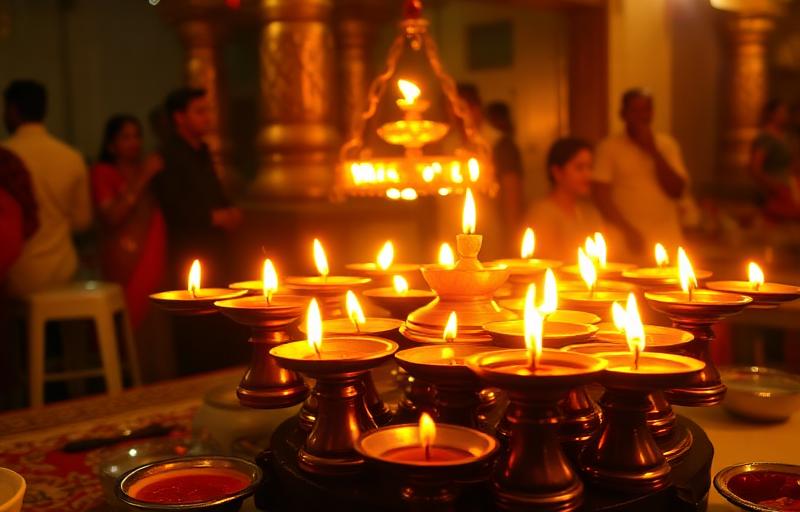
7 Documented Benefits: 1. Mahakal blessing - fear of death dissolves - daily Sahasranama normalizes mortality, removes thanatophobia. Terminally ill patients use this for peaceful passing. 2. Removes accumulated karma - Shiva is the cosmic karma-burner. 41-day Sahasranama parayan dramatically lightens samskara load. 3. Sade Sati and Shani relief - Shiva is Shani's guru. Devotees in 7.5-year Saturn cycle find dramatic obstacle reduction through Sahasranama. 4. Cures addictions and pitta-related diseases - Shiva's 'destroyer' energy burns compulsive patterns. Alcohol, smoking, anger addictions respond. 5. Marriage and family harmony - Shiva-Parvati are the supreme divine couple. Sahasranama on Mondays specifically blesses couples. 6. Kundalini awakening - advanced sadhakas use Sahasranama for safe gradual kundalini awakening (faster than just Om Namah Shivaya). 7. Direct liberation (moksha) - Skanda Purana declares Sahasranama recitation at moment of death = automatic moksha. Comparison with Vishnu Sahasranama: Vishnu Sahasranama (from Mahabharata too, recited by Bhishma) - emphasis on preservation, peace, bhakti, marriage harmony, wealth. Best for householders seeking stability. Tulsi mala recommended. 35-45 min. Shiva Sahasranama (from same Mahabharata) - emphasis on destruction-of-karma, transformation, fearlessness, liberation, yogic depth. Best for spiritual seekers, those in Sade Sati, healing chronic patterns. Rudraksha mala recommended. 40-45 min. Both are equally powerful - choose based on your ishta devta. Many sadhakas alternate: Vishnu Sahasranama on Ekadashi and Thursdays, Shiva Sahasranama on Mondays and Saturdays. Combined practice for advanced devotees: both Sahasranamas daily = 90 minutes of mantra power. This is the gold standard of Hindu sadhana.
Frequently Asked Questions
Can I do Shiva Sahasranama without a Shivalinga at home?+
Yes - a Shiva photo, picture of any Jyotirlinga, or even mental visualization works. The mantra energy doesn't depend on the physical idol; it depends on your bhava (devotion). However, if possible, get a small parad (mercury) or sphatik (crystal) Shivalinga for home - costs Rs.500-2000 - and the practice deepens significantly. Many spiritual stores sell small Shivalinga kits suitable for apartment puja altars.
Is 40 min daily too much? What's the minimum?+
40 minutes is ideal but not minimum. Minimum effective practice: 1. Daily 'top 20 names' (5-7 min). 2. Daily 'Om Namah Shivaya' 108 times (10 min). 3. Read full Sahasranama only on Mondays + Mahashivaratri (twice a month effectively). This 'graduated' practice still gives 60-70% benefit of daily full recitation. Building up to daily 40 min over 6-12 months is realistic and sustainable.
Should I prefer Linga Purana version or Mahabharata version?+
Mahabharata version is most popular (Bhishma's recitation to Yudhishthira) - slightly more well-known and easier to find in print/audio. Linga Purana version is more 'tantric' and elaborate. For daily practice, choose Mahabharata version (more accessible). For tantric Shiva sadhana under a guru, Linga Purana version. The 1000 names overlap 80-90% between versions; functionally either works.
Can I substitute Sri Rudram for Shiva Sahasranama?+
They serve different purposes. Sri Rudram (Vedic, 11 anuvakas, ~30 min) is for direct Vedic Shiva worship, used in Rudrabhishekam ritual. Shiva Sahasranama (Puranic, 1000 names, ~45 min) is for deep mantric meditation on Shiva's aspects. Both are powerful; Sri Rudram is more authoritative (Veda > Puranas), Sahasranama is more accessible and devotional. Recommendation: do Sri Rudram on Pradosh and Mahashivaratri (special days); Sahasranama on Mondays and Saturdays (regular practice).
About the author
Acharya Vinaya Kapoor · M.A. Sanskrit, Mantra & Stotra Studies
Acharya Vinaya holds an M.A. in Sanskrit from Banaras Hindu University and writes the mantra and stotra commentary on Vandnaa. Her focus is on accurate pronunciation, traditional context, and helping modern readers connect with classical texts.
Meet the Vandnaa editorial team →Explore on Vandnaa
Related Articles
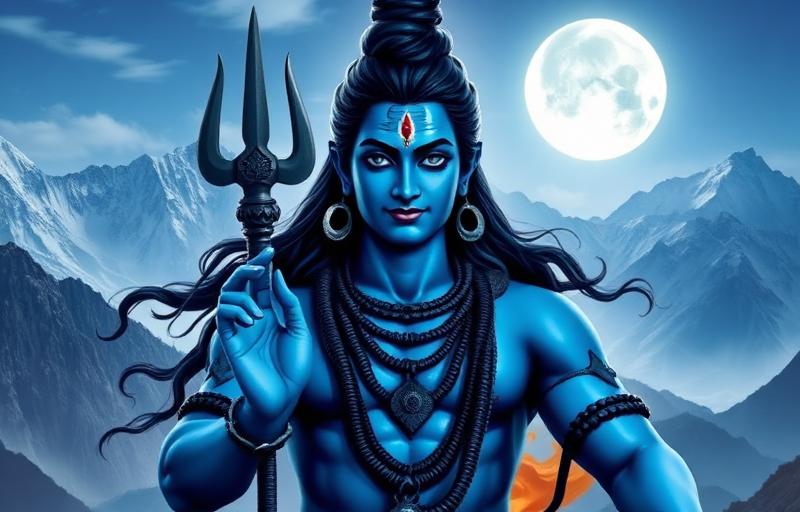
Shiva Ashtottara - 108 Names of Lord Shiva with Meaning, Benefits & Daily Jap Vidhi
12 min read
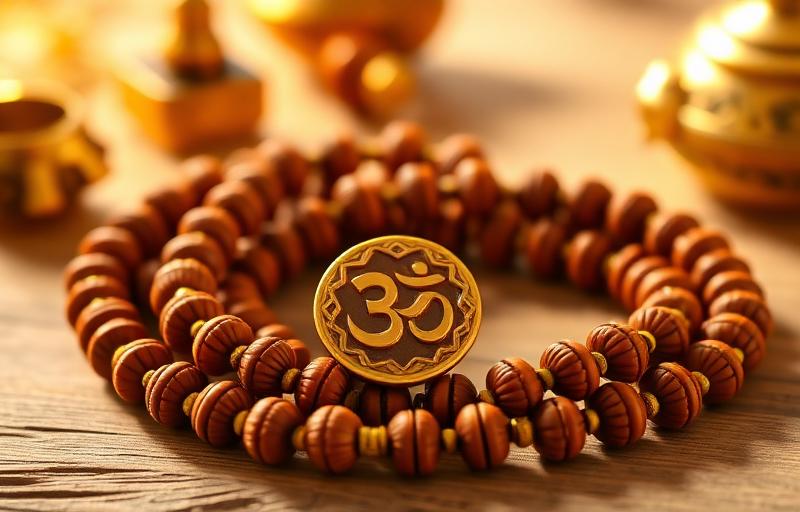
Panchakshari Mantra - Om Namah Shivaya Deep Meaning, 11 Benefits & Vidhi
10 min read
Maha Mrityunjaya Mantra: Meaning & Benefits (महा मृत्युंजय मंत्र)
9 min read
Rudrashtakam: Meaning, Benefits & Jap Vidhi (Tulsidas's Shiva Stotra)
8 min read