What Are Kumkum and Roli
Kumkum is a bright red powder traditionally made from turmeric treated with lime (chuna), which turns the yellow turmeric a deep red. Roli is a similar red preparation used to make the sacred tilak on the forehead and to mark deities, kalash and offerings. Though often used interchangeably, both share the same auspicious red colour and the same purpose - to sanctify a person, object or moment of worship.
Spiritual Significance of the Tilak
The tilak of kumkum or roli is applied between the eyebrows, the seat of the ajna chakra - the centre of intuition, focus and inner wisdom. The red colour represents shakti (divine energy), devotion and the life-force of blood. A tilak marks the wearer as one who has remembered the divine, keeps the mind centred during worship, and is believed to retain spiritual energy at this sacred point.
Saubhagya and Cultural Basis
Kumkum has long been a symbol of saubhagya (marital good fortune) for married women, who apply it in the parting of the hair and on the forehead as a mark of a living husband and family prosperity. In temples, priests offer kumkum prasad to be touched to the forehead, sharing the blessing of the deity. It is also central to welcoming guests, honouring elders and beginning every auspicious ceremony.
How to Use Kumkum and Roli in Puja
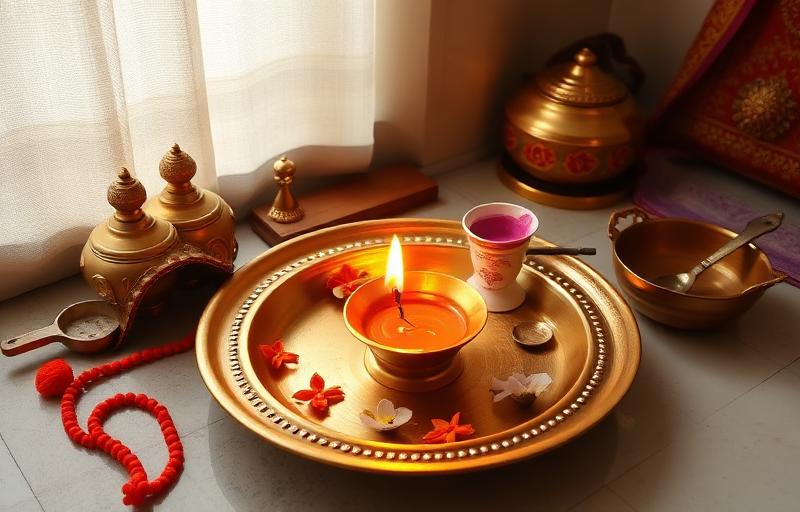
1. Keep kumkum and roli in a clean, dedicated container in the home mandir. 2. With the ring finger (for the self) or thumb (for honouring others), take a little roli and apply an upward tilak between the brows. 3. Mark the deity's idol, the kalash and offerings with a small dot of roli. 4. Apply rice grains (akshat) over the tilak on the deity, as roli and akshat go together. 5. Offer kumkum to the Goddess as part of the sixteen upachara (shodashopachara) puja. Always apply with a calm mind and a short prayer rather than mechanically.
Do's and Don'ts
Do: use pure, fresh kumkum and roli, keep them in a clean container, apply the tilak with a focused mind, and offer them to deities and elders with respect. Don't: use roli or kumkum with dirty hands, let it spill carelessly, apply a tilak in anger or haste, or mix it with impure substances. Treat these red powders as sacred, never as mere cosmetics.
Benefits of Kumkum and Roli
Applying kumkum or roli is believed to invoke divine energy at the ajna chakra, calm and focus the mind, and carry the blessing of the deity through the day. For married women it is a cherished symbol of saubhagya and family wellbeing. On a practical level, the gentle pressure at the brow point is felt to soothe the nerves, while the act itself reminds the devotee to remain humble and god-centred.
Common Questions From Devotees
What is the difference between kumkum and roli?+
Both are sacred red powders. Kumkum is usually turmeric treated with lime, often used by women on the forehead and parting, while roli is the red powder used for the puja tilak and to mark deities. Their colour and purpose are the same.
Where exactly is the tilak applied?+
The tilak is applied between the eyebrows, the seat of the ajna chakra. This point is linked to intuition and focus and is believed to retain spiritual energy during worship.
Why is the colour red used for kumkum?+
Red represents shakti (divine energy), auspiciousness and the life-force of blood. It is the colour most associated with the Goddess and with new, auspicious beginnings in Hindu tradition.
Can men also apply kumkum or roli tilak?+
Yes. Men commonly apply a roli tilak during puja, festivals and auspicious occasions. The tilak is for all devotees, marking the remembrance of the divine, regardless of gender.
Why does kumkum signify saubhagya for married women?+
For married women, kumkum in the parting and on the forehead is a traditional symbol of a living husband and family prosperity. It is worn as a mark of marital good fortune and wellbeing.
How should kumkum and roli be stored?+
Keep them in a clean, dedicated container in the home mandir, away from impurity. Use them with clean hands and a calm mind, treating them as sacred rather than ordinary cosmetics.
About the author
Pandit Mahesh Trivedi · Festival Traditions & Panchang
Pandit Mahesh leads the festival-date and Panchang content on Vandnaa. He cross-references multiple regional panchangs (Drik, Vaishnava, Bengali, Marathi) for every festival date published on the site.
Meet the Vandnaa editorial team →Explore on Vandnaa
Related Articles
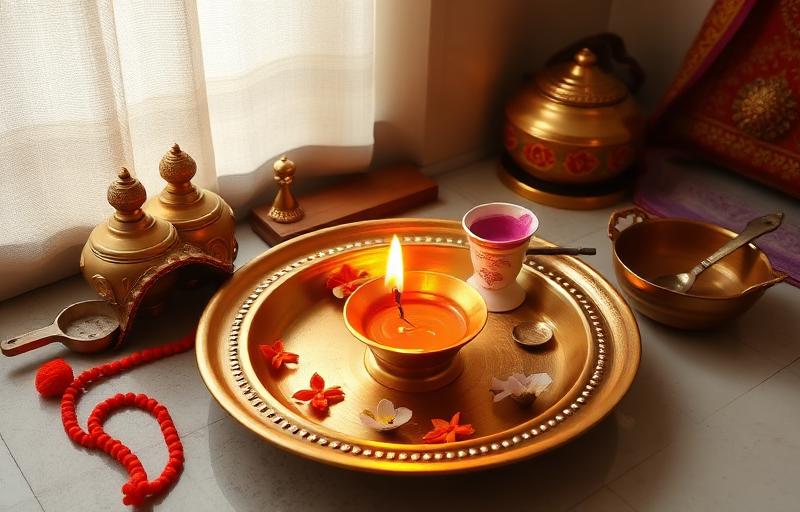
Significance of the Red Color in Hindu Worship - Meaning & Use
8 min read
Flowers in Puja - Which Flower for Which Deity & Rules
9 min read
Panchamrit - Meaning, 5 Ingredients, Significance & Puja Vidhi
8 min read
Home Mandir Setup - Direction, Vastu Rules, Dos and Don'ts
9 min read
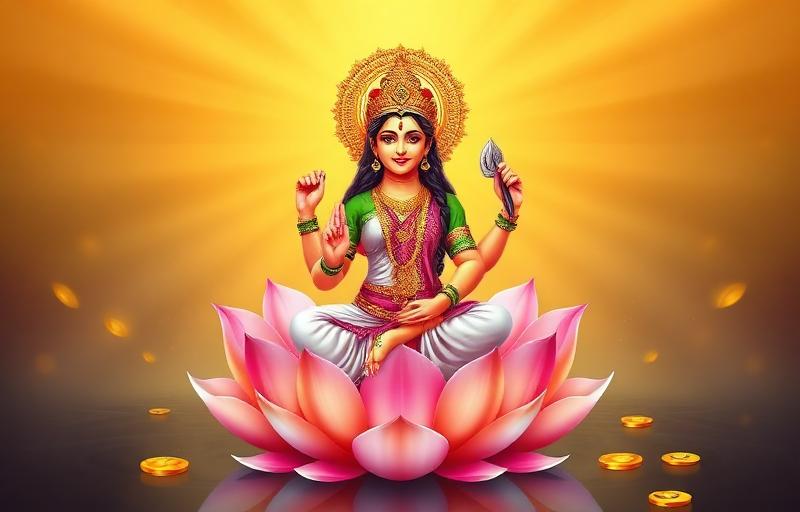
Lakshmi Aarti Lyrics – Om Jai Lakshmi Mata (लक्ष्मी आरती)
8 min read
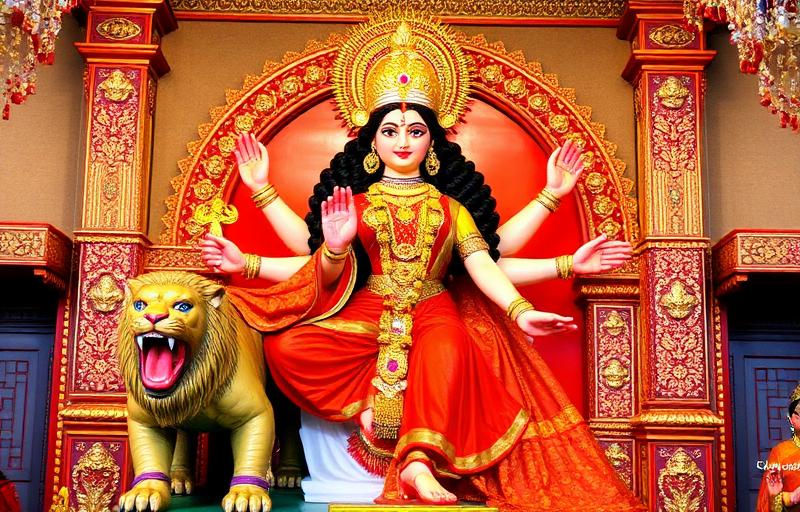
Durga Aarti Lyrics – Ambe Tu Hai Jagdambe Kali (दुर्गा आरती)
8 min read