What Red Symbolizes
In Hindu tradition, red is the colour of shakti - the divine feminine energy that powers all creation. It signifies energy, passion, action and auspiciousness, the very pulse of life carried in blood. Red is also linked to the muladhara (root) chakra, the foundation of vitality and stability. Wherever something new and sacred begins, red is present to invoke power, protection and good fortune.
Red, the Goddess and Hanuman
Red is supremely dear to the Goddess - Durga, Lakshmi and Kali are offered red flowers, red cloth (chunari) and red kumkum, and are often depicted draped in red. Red also belongs to Hanuman and Bhairav, whose idols are coated in sindoor (vermilion) mixed with oil as a mark of strength and devotion. Offering red items to these deities is believed to invoke power, courage and swift blessings.
Red in Marriage and Saubhagya
Red is the colour of the Hindu bride, worn as the saree or lehenga, in the sindoor of the parting and in bangles and bindi. It signifies fertility, prosperity, marital commitment and the auspicious new beginning of married life. A married woman's red sindoor and kumkum are enduring symbols of saubhagya - the wellbeing and long life of her husband and family.
Use of Red in Daily Rituals
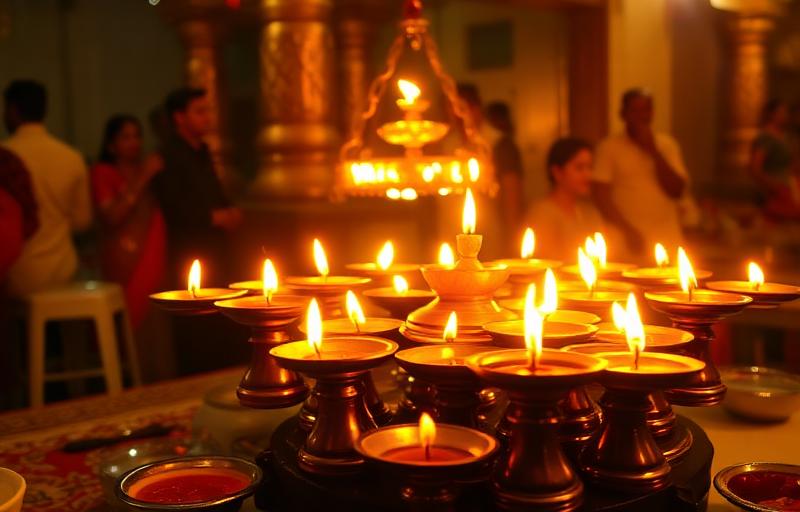
Red appears throughout worship: 1. The roli and kumkum tilak that marks devotees and deities. 2. The red kalava (mauli) thread tied on the wrist for protection. 3. Red flowers like hibiscus and red rose offered to the Goddess and Ganesha. 4. Red cloth or chunari draped on idols and used to cover the altar. 5. Red asan (seat) for the worshipper during important pujas. Each use invokes the energy and auspiciousness of the colour.
Do's and Don'ts with Red
Do: offer red flowers and cloth to the Goddess, Ganesha and Hanuman, wear red on auspicious occasions, and tie a clean red mauli with devotion. Don't: offer red flowers to Lord Shiva (who is offered white) or red to deities where tradition prefers other colours, and avoid using torn or soiled red cloth in worship. Match the colour to the deity and the occasion rather than using red everywhere.
Benefits of Red in Worship
The presence of red in worship is believed to draw the energy of the Goddess, fill the devotee with courage and vitality, and bless new beginnings with auspiciousness. Wearing or offering red on festivals and pujas is felt to attract prosperity and protection. As a colour that the eye and mind respond to strongly, red also uplifts the mood and creates a vibrant, devotional atmosphere in the home mandir.
What People Ask Most
Why is red considered auspicious in Hinduism?+
Red is the colour of shakti, energy and the life-force of blood. It signifies power, passion and auspicious new beginnings, which is why it appears at weddings, festivals and in the worship of the Goddess.
Why is red offered to the Goddess and Hanuman?+
Red is dear to the Goddess as the colour of shakti, so red flowers, cloth and kumkum are offered to Durga, Lakshmi and Kali. Hanuman and Bhairav idols are coated in sindoor as a mark of strength and devotion.
Why do Hindu brides wear red?+
Red signifies fertility, prosperity and the auspicious beginning of married life. The bridal red, along with sindoor, bangles and bindi, marks marital commitment and good fortune.
Should red flowers be offered to all deities?+
No. Red is dear to the Goddess, Ganesha and Hanuman, but Lord Shiva is traditionally offered white flowers. It is best to match the flower colour to the deity's preference.
What does the red mauli thread signify?+
The red mauli or kalava tied on the wrist is a thread of protection and auspiciousness. It is tied during pujas with a prayer for the wellbeing and safety of the wearer.
Is red linked to any chakra?+
Yes. Red is linked to the muladhara or root chakra, the foundation of vitality, stability and grounding. This connects red to the life-force and the energy needed for action.
About the author
Anjali Mehta · Editor, M.A. Religious Studies
Anjali is the managing editor for Vandnaa and oversees the festival and vrat coverage. She holds an M.A. in Religious Studies and reviews every published article for accuracy, accessibility, and tradition-fidelity.
Meet the Vandnaa editorial team →Explore on Vandnaa
Related Articles

Significance of Kumkum & Roli in Worship - Meaning, Use & Benefits
8 min read
Flowers in Puja - Which Flower for Which Deity & Rules
9 min read
Durga Aarti Lyrics – Ambe Tu Hai Jagdambe Kali (दुर्गा आरती)
8 min read
Lakshmi Aarti Lyrics – Om Jai Lakshmi Mata (लक्ष्मी आरती)
8 min read
Hanuman Chalisa Lyrics in Hindi & English (हनुमान चालीसा)
12 min read
Home Mandir Setup - Direction, Vastu Rules, Dos and Don'ts
9 min read