What Is Vibhuti - The Sacred Ash of Shiva
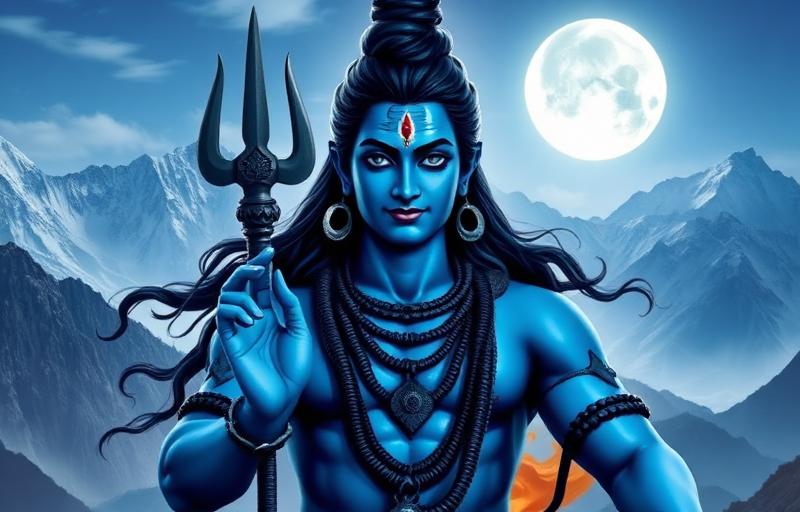
Vibhuti is the fine, pale ash worn on the forehead by devotees of Shiva, and one of the oldest sacred substances in Hindu worship. The Sanskrit word vibhuti means glory, splendour or divine power - a remarkable name for what is, materially, just ash. Its other name, bhasma, comes from the root meaning to burn or consume, pointing to its origin in the sacred fire. Shiva himself is described in scripture as bhasma-bhushita - the one adorned with ash. While sandal paste decorates Vishnu's devotees and kumkum marks the worshippers of Devi, ash belongs unmistakably to the Shaiva path. Yet vibhuti is not limited to any one sect; it is distributed as blessed prasad in temples across India, received in the right palm and applied to the forehead by millions every day. Understanding what this simple ash teaches transforms the act from habit into meditation.
What Bhasma Symbolizes - Impermanence, Purity and Shiva's Adornment
Ash is what remains when fire has finished its work - when everything that can burn has burnt. That is the first teaching of vibhuti: impermanence. Wealth, beauty, status and the body itself all end in ash, and wearing a pinch of it at the highest point of the body is a daily, gentle reminder of that truth. The second teaching is purity. Ash cannot rot, cannot ferment, cannot be made impure - fire has already taken everything corruptible out of it. It is matter in its final, incorruptible state. The third teaching is Shiva's own example. The lord of the universe wears not gold but ash, declaring that he stands beyond every attraction of the perishable world. When a devotee applies vibhuti, tradition says they borrow a little of that detachment - entering the day adorned like Shiva, with the end of all things calmly worn upon the brow.
The Tripundra - Meaning of the Three Horizontal Lines
Vibhuti is classically worn as the tripundra - three horizontal lines drawn across the forehead with the middle three fingers, the mark of Shaiva devotion just as the vertical urdhva pundra marks Vaishnavas. Texts such as the Kalagni Rudra Upanishad and the Bhasma Jabala Upanishad describe the tripundra and its application in detail. Tradition reads the three lines in several harmonious ways. They stand for the three impurities to be burnt away - anava (ego), karma (the bondage of action) and maya (illusion). They represent the three gunas - sattva, rajas and tamas - which the seeker must ultimately transcend. They also evoke the three worlds, the three sacred fires and the threefold Om. Many devotees add a dot of kumkum or a chandan bindu at the centre, honouring the third eye of Shiva that watches from between the lines.
How Vibhuti Is Made - From Havan Fire to Sacred Ash

Not every ash is bhasma. Tradition insists that vibhuti must be born of a sacred fire, never gathered casually. The most honoured source is the havan or homa - ash collected from the kund after offerings of samidha (sacred woods such as peepal, bilva and mango), pure cow ghee, grains and herbs have been consumed by the fire with mantras. In many regions, bhasma is also prepared by ceremonially burning dried cow-dung cakes, sometimes during specific rites, after which the ash is cooled, filtered through fine cloth and sieved until it is soft as silk. Temples prepare vibhuti in bulk this way and bless it before the deity prior to distribution. Some traditions press the ash into small pellets for travel. The rule beneath all the methods is single and strict: only ash sanctified by mantra and sacred fire may touch the forehead as bhasma.
How and Where to Apply Vibhuti - With Which Mantra
Applying vibhuti is a small rite in itself. 1. Receive or take a pinch with the right hand, ideally after bathing. 2. Hold it for a moment and silently chant Om Namah Shivaya - the five-syllable mantra is the traditional companion of bhasma. 3. Draw the tripundra across the forehead with the middle three fingers, moving from left to right, keeping the lines unbroken. 4. Devout practice extends the ash to other points named in the texts - the throat, both upper arms and the chest - though the forehead alone suffices for daily life. 5. Apply gently; whatever falls should fall on a clean surface, not the bare floor. Tradition prefers applying vibhuti facing east in the morning and before sandhya or temple visits. Some chant the Mrityunjaya mantra instead, especially when seeking strength in illness or fear - always as devotion, never as a substitute for care.
Bhasma in the Shaiva Tradition - The Mahakaleshwar Bhasma Aarti
Nowhere is the glory of bhasma more visible than at the Mahakaleshwar Jyotirlinga in Ujjain. Every day before dawn, the temple performs the world-famous bhasma aarti, in which the jyotirlinga is adorned with fresh sacred ash amid drums, conches and the chanting of Om Namah Shivaya. Devotees book months ahead to witness it, for the sight carries the entire theology of ash in a single image: Mahakala, the lord of time, wearing the residue of all that time consumes. The wider Shaiva world keeps the same sign. Naga sadhus cover their entire bodies in bhasma, renouncing clothing itself; Shaiva ascetics receive ash at initiation; and in Shaiva agama temples, vibhuti is the first prasad placed in every visitor's palm. Across these forms, the message is constant - the one who wears the end of things has nothing left to fear.
Daily Etiquette and Storage of Vibhuti

Because vibhuti is sanctified, tradition surrounds it with simple courtesies. Store it in a clean, dry container - a small silver, brass or wooden box is traditional - kept on or near the puja altar, never on the floor and never in the kitchen among groceries. Take it only with clean hands, and use the right hand to receive it in temples. A small pinch is sufficient; bhasma is not measured by quantity but by bhava. Do not blow on it, scatter it or let it spill carelessly, and if old vibhuti must be retired, mix it into the soil of a tulsi or other plant or immerse it in flowing water rather than discarding it in the bin. When travelling, carry a little in a closed box so the daily practice continues unbroken. Treated this way, a humble pinch of ash quietly disciplines the whole household in reverence.
Frequently Asked Questions
What is the difference between vibhuti and bhasma?+
They name the same sacred ash from two angles. Bhasma comes from the root meaning to burn, pointing to its birth in the sacred fire, while vibhuti means glory or divine power, pointing to what the ash bestows. In daily usage the words are interchangeable - the ash of the havan worn in devotion.
Which mantra should be chanted while applying vibhuti?+
The traditional companion of bhasma is Om Namah Shivaya, chanted silently while drawing the tripundra. Some devotees recite the Mahamrityunjaya mantra when seeking strength and protection. Even a single heartfelt repetition sanctifies the act - the mantra turns the application from habit into worship.
Can women apply vibhuti?+
Yes. Vibhuti is open to all devotees regardless of gender, age or sect. Women across India receive and wear bhasma in temples daily, often as a small mark or dot rather than the full tripundra. What tradition asks of everyone equally is cleanliness of hands and sincerity of bhava.
Can vibhuti be eaten?+
In some temple traditions a tiny pinch of blessed vibhuti is taken on the tongue as prasad, and this is a matter of personal faith. Its primary purpose, however, is to be worn on the forehead. Take only pure temple-blessed ash if your tradition allows it, and never treat it as medicine - it is a sacrament, not a remedy.
Where should vibhuti be stored at home?+
Keep it in a clean, dry container such as a small silver, brass or wooden box, placed on or near the puja altar. Never store it on the floor, in the kitchen among groceries, or in damp places. Take it only with clean hands, and retire old ash into plant soil or flowing water, not the bin.
Why do the three lines of the tripundra run horizontally?+
Horizontal lines of ash are the classical mark of Shaiva devotion described in texts like the Kalagni Rudra Upanishad, distinguishing it from the vertical urdhva pundra of Vaishnavas. The three lines stand for the burning away of ego, karma and maya, and for transcending the three gunas - teachings worn visibly across the brow.
About the author
Pandit Mahesh Trivedi · Festival Traditions & Panchang
Pandit Mahesh leads the festival-date and Panchang content on Vandnaa. He cross-references multiple regional panchangs (Drik, Vaishnava, Bengali, Marathi) for every festival date published on the site.
Meet the Vandnaa editorial team →