
The Four Hands of Vishnu
Lord Vishnu, the preserver of the universe, is shown with four hands holding four sacred emblems - the Shankha (conch), the Chakra (discus), the Gada (mace) and the Padma (lotus). These are not mere weapons but living symbols of how creation is sustained and the soul is led toward liberation. Together they teach that sound, mind, strength and purity must work in harmony for a dharmic life.
Shankha - The Conch Panchajanya
Vishnu's conch is named Panchajanya. Its sound is said to be the primordial Om, the first vibration from which the universe arose. Story: Krishna won the Panchajanya from the demon Panchajana, who hid in a conch shell in the ocean. Symbolism: the conch represents the divine sound that creates and purifies. Lesson: speak words that are true, pure and uplifting, for sound itself is sacred. Mantra: Om Namo Bhagavate Vasudevaya.
Chakra - The Sudarshan Discus
The spinning discus is the Sudarshan Chakra, the most powerful of Vishnu's emblems. Story: it was fashioned from the dust of the Sun by Vishwakarma and given to Vishnu to protect dharma. Symbolism: the ever-turning wheel is the disciplined mind and the wheel of time that upholds cosmic order. Lesson: keep the mind sharp, focused and aligned with dharma, cutting away ego and falsehood. Mantra: Om Sahasrara Hum Phat - Sudarshanaya Namah.
Gada - The Mace Kaumodaki

Vishnu's mace is called Kaumodaki. It is heavy with the power of knowledge and the strength of dharma. Story: Kaumodaki was given to Krishna by Varuna along with other divine weapons before the burning of the Khandava forest. Symbolism: the mace is the power of knowledge that subdues the ego (ahankara) and crushes ignorance. Lesson: true strength is inner discipline that defeats pride, not force that harms others. Mantra: Om Vishnave Namah.
Padma - The Lotus of Purity
The Padma is the lotus held in Vishnu's hand. Story: from Vishnu's navel rose the lotus that bore Brahma the creator, making the lotus the seat of creation itself. Symbolism: though rooted in mud, the lotus blooms pure and untouched, representing purity, detachment and spiritual liberation (moksha). Lesson: live in the world without being stained by it, blossoming toward the light of the divine. Mantra: Om Padmanabhaya Namah.
What the Four Symbols Teach Together
Held together, the four emblems map a complete spiritual life. The Shankha purifies our speech and awareness with sacred sound, the Chakra sharpens and steadies the mind on dharma, the Gada uses the power of knowledge to subdue ego, and the Padma keeps the heart pure and turned toward liberation. A devotee who balances sound, mind, strength and purity walks the path Vishnu himself protects.
How to Honour Vishnu's Symbols
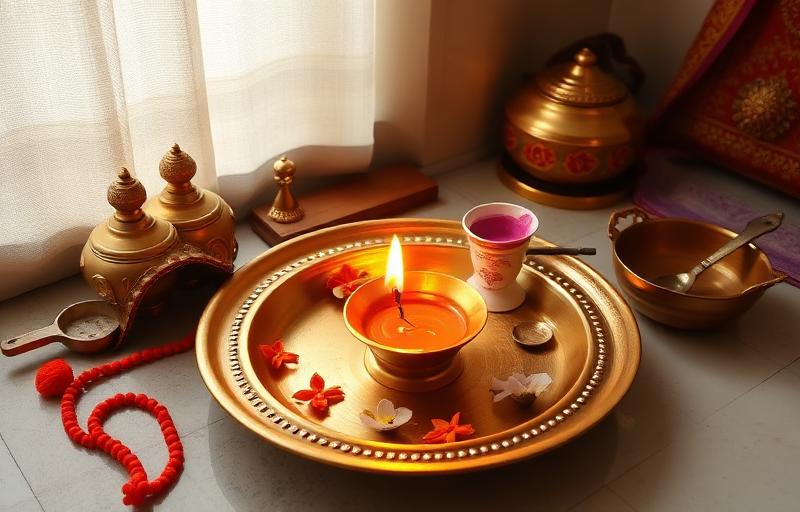
Place a Vishnu idol or image with the four emblems clearly visible, ideally facing east. Blow or keep a shankha in the home, offer a fresh lotus or tulsi, and chant Om Namo Bhagavate Vasudevaya on a tulsi-bead mala. Thursdays and Ekadashi are especially dear to Vishnu. Reflect on one symbol each day to slowly absorb its lesson into your conduct.
Quick Answers
What are the four symbols Vishnu holds?+
Vishnu holds the Shankha (conch Panchajanya), the Chakra (Sudarshan discus), the Gada (mace Kaumodaki) and the Padma (lotus), one in each of his four hands.
What does Vishnu's conch Panchajanya represent?+
The Panchajanya conch represents the primordial sound Om, the first vibration of creation. It reminds devotees to keep their speech true, pure and uplifting.
What is the meaning of the Sudarshan Chakra?+
The Sudarshan Chakra symbolises the disciplined mind and the wheel of time that upholds dharma. It teaches us to keep the mind focused and aligned with righteousness.
What does Vishnu's Gada Kaumodaki symbolise?+
The Kaumodaki mace symbolises the power of knowledge that subdues the ego and crushes ignorance. It teaches that true strength is inner discipline, not force that harms others.
Why does Vishnu hold a lotus?+
The lotus (Padma) blooms pure though rooted in mud, symbolising purity, detachment and liberation. It teaches us to live in the world without being stained by it.
How can devotees honour Vishnu's four symbols at home?+
Keep a Vishnu image showing the four emblems facing east, blow or keep a shankha, offer lotus or tulsi, and chant Om Namo Bhagavate Vasudevaya, especially on Thursdays and Ekadashi.
About the author
Anjali Mehta · Editor, M.A. Religious Studies
Anjali is the managing editor for Vandnaa and oversees the festival and vrat coverage. She holds an M.A. in Religious Studies and reviews every published article for accuracy, accessibility, and tradition-fidelity.
Meet the Vandnaa editorial team →Explore on Vandnaa
Related Articles
Vishnu Aarti Lyrics - Om Jai Jagdish Hare in Hindi & English
8 min read
Vishnu Sahasranama: The 1000 Names of Vishnu - Meaning, Benefits & Daily Recitation Vidhi
12 min read
Dashavatar - 10 Avatars of Lord Vishnu: Names, Order, Meaning, Significance
11 min read
Significance of Maa Durga's Weapons
9 min read
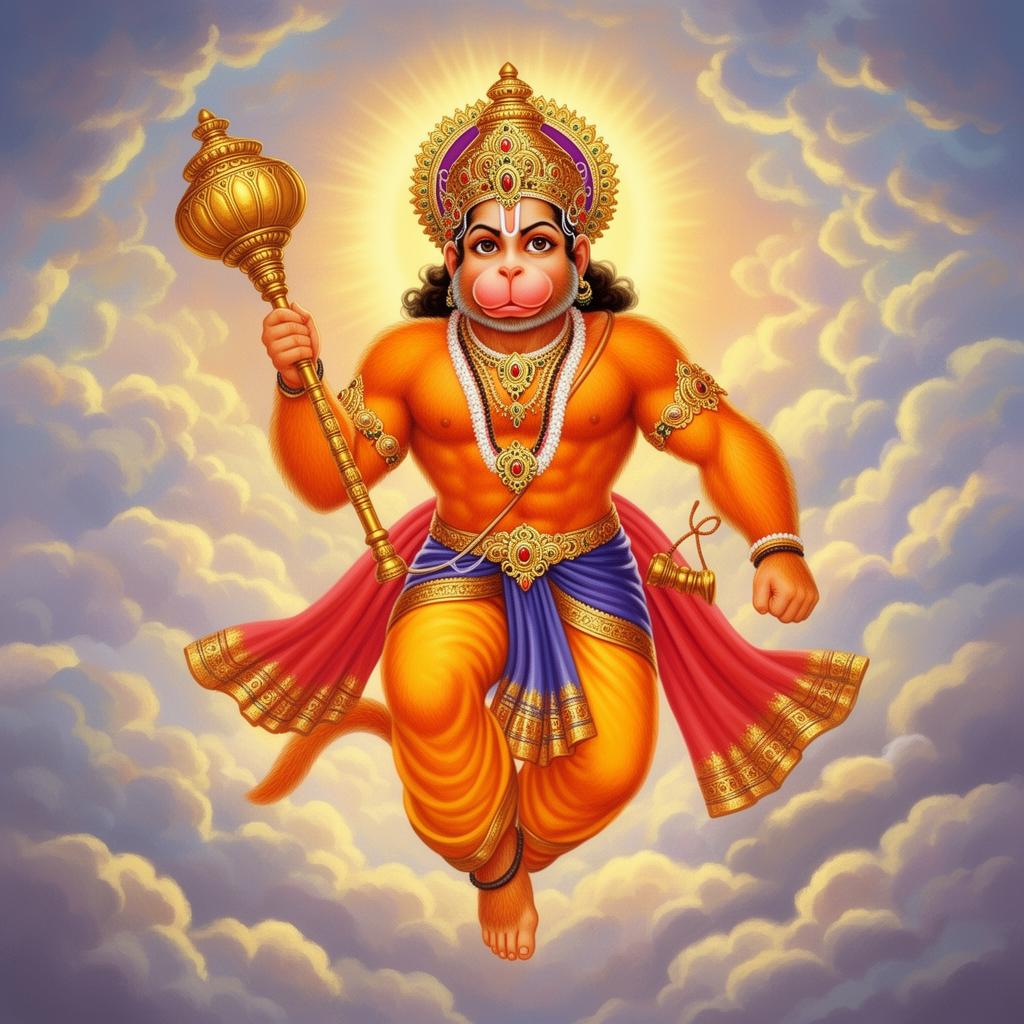
Significance of Hanuman's Gada (Mace)
8 min read

Om Namah Shivaya Mantra Benefits & Meaning (ॐ नमः शिवाय)
9 min read