A Smaller Community, a Sincere Devotion
Sikkim is, above all, a land shaped by centuries of Buddhist monastic tradition, its hillsides dotted with gompas and prayer flags that reflect the deep Vajrayana Buddhist heritage of the region, alongside its indigenous Lepcha and Bhutia customs. Within this landscape, a smaller but sincere Hindu community, largely of Nepali origin, has also built its own places of worship over the past century and more.
These Hindu temples are modest in scale compared to Sikkim's grand monasteries, but they hold real devotional meaning for the families who have worshipped at them for generations, and they sit respectfully alongside the state's dominant Buddhist heritage.
Thakurbari and Gangtok's Hindu Shrines
In Gangtok, the Thakurbari Temple stands as one of the oldest and most cherished Hindu shrines in Sikkim, established in the early 20th century to serve the growing Nepali Hindu community of the town. Built in a simple pagoda style, it remains an active center of daily worship and festival celebration to this day.
Gangtok is also home to smaller shrines such as Ganesh Tok and Hanuman Tok, modest hilltop temples dedicated to Ganesha and Hanuman respectively, which double as scenic viewpoints while remaining genuine places of prayer for local devotees.
The Char Dham Complex at Namchi
In South Sikkim, the town of Namchi is home to a more recent and much-visited devotional complex, built in the early 2000s, featuring a tall statue of Lord Shiva at Solophok and a symbolic recreation of the four Char Dham shrines of mainland India. While not an ancient pilgrimage site, this complex was built with genuine devotional intent, offering Hindu pilgrims in the Northeast a meaningful place of worship closer to home.
Many devotees value Namchi's complex precisely because it makes a symbolic connection to India's four great dhams accessible to those unable to undertake the longer journeys themselves, while still approaching it with the same sincerity as any pilgrimage.
Living Alongside Sikkim's Buddhist Heritage
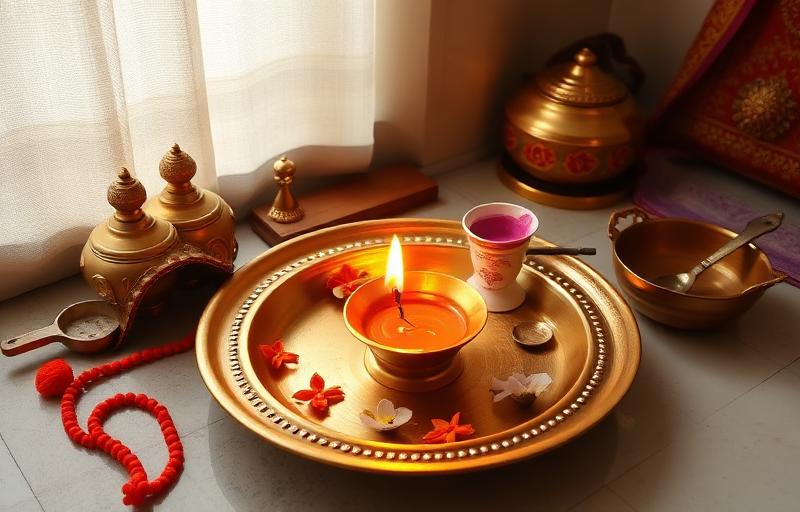
What stands out in Sikkim is not competition between traditions but coexistence. Hindu festivals such as Dashain, celebrated by the state's Nepali Hindu community with much the same spirit as Durga Puja elsewhere in India, take place in a state where Losar and other Buddhist festivals are equally cherished by neighboring communities.
Devotees visiting Sikkim's Hindu temples often describe an atmosphere of quiet mutual respect, where a modest Hindu shrine and a grand Buddhist monastery can stand within the same town, each honored in its own way.
A Devotee's Takeaway
Sikkim's Hindu temples may be modest in number and scale compared to its celebrated monasteries, but they represent a real and living devotion, carried faithfully by the families who built and continue to visit them.
For devotees passing through Sikkim, a visit to Thakurbari or Namchi offers not grandeur but sincerity, a reminder that faith need not be measured by size to hold true meaning.
Quick Answers
What is the oldest Hindu temple in Sikkim?+
The Thakurbari Temple in Gangtok, established in the early 20th century, is regarded as one of the oldest and most cherished Hindu shrines in Sikkim.
What is the Char Dham complex at Namchi?+
It is a devotional complex in South Sikkim built in the early 2000s, featuring a tall statue of Shiva and a symbolic recreation of India's four great Char Dham shrines, built to offer Hindu pilgrims in the Northeast a meaningful place of worship.
Do Hindu and Buddhist traditions coexist in Sikkim?+
Yes, Sikkim's Hindu community, largely of Nepali origin, worships alongside the state's dominant Buddhist monastic tradition, with devotees describing an atmosphere of quiet mutual respect between the two.
About the author
Pandit Ravindra Sharma · Vedic Rituals & Bhakti, 22+ years
Pandit Ravindra is the Vandnaa editorial team's resident specialist on aarti, chalisa, and daily devotion. He has performed home and temple pujas across Varanasi and Delhi for over two decades and contributes the bhakti-focused articles on this site.
Meet the Vandnaa editorial team →