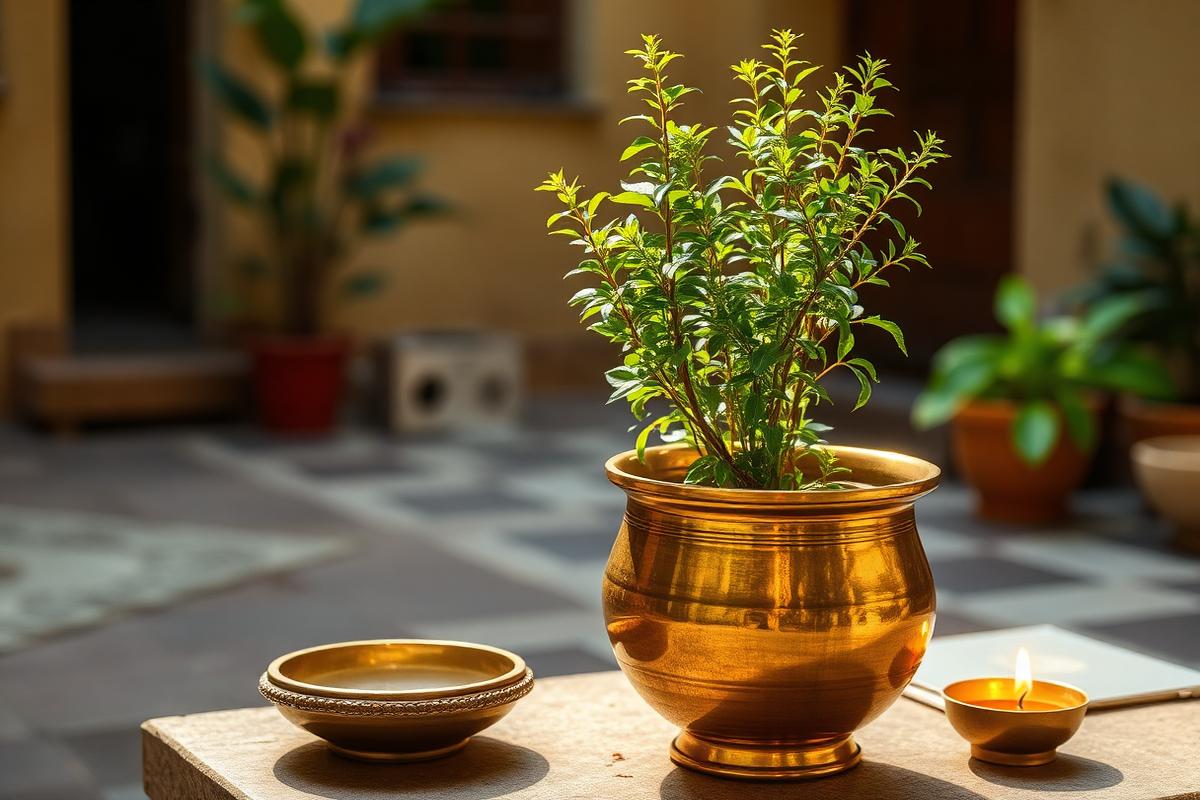
The Kund and Its Water
Sita Kund lies a few kilometres east of Munger in Bihar, and it is a group of tanks fed by hot springs.
What is there:
- The main Sita Kund, whose water is noticeably hot, used for bathing by pilgrims
- Several nearby kunds named in the tradition, including those associated with Rama, Lakshmana, Bharata and Shatrughna, whose water is cooler
- A temple complex around the tanks, with shrines to Sita, Rama and other deities
- A steady flow of local visitors through the year, rising sharply at festival times
Hot springs occur across India where geology allows, and almost all of them carry a katha. Rajgir's springs, Manikaran in Himachal, Tapt Kund at Badrinath, Bakreshwar in Bengal and the Tattapani springs of Himachal are all bathing sites with their own traditions.
What distinguishes Sita Kund is the particular story attached to it, which connects the water's heat to one of the most difficult episodes in the Ramayana.
The Katha
The local tradition connects the springs to the agni pariksha, the ordeal by fire that Sita undergoes in the Ramayana after the return from Lanka.
As the tradition tells it:
- After the war, Sita is required to establish her purity, and she enters fire
- Agni himself returns her unharmed, and the fire does not touch her
- The heat of that fire is held to have passed into the earth at this place, and the springs have been hot ever since
- The nearby kunds, named for Rama and his brothers, remain cool, which the tradition offers as the proof of the account
What should be said about the episode itself. The agni pariksha is among the most discussed and most uncomfortable passages in the Ramayana, and it has been read in very different ways across the tradition's long history. Some readings treat it as a demonstration for the world rather than a test set by Rama. Others read it critically. Tulsidas handles it differently from Valmiki, introducing the maya Sita in some versions of the narrative.
What the shrine does with it is simpler. It takes the moment of a woman's vindication and marks the ground where the fire is held to have gone, and pilgrims bathe there.
Bathing and Observances
The practice at Sita Kund is bathing, and the tanks are used through the year.
- Pilgrims bathe in the hot kund first, then in the cooler ones, following local custom
- Darshan at the shrines around the tanks follows the bath
- Offerings of flowers, sindoor and prasad at the Sita shrine
- Families come for vow completions and for the ordinary petitions of a regional tirtha
Makar Sankranti is the largest occasion:
- A mela is held around the kunds, drawing large numbers from Munger and the surrounding districts
- Bathing in the hot spring in the cold of Magh is the point of the occasion, and the crowds are heavy
- Til, gud, khichdi and the other Sankranti foods are prepared and distributed
Other occasions:
- Ram Navami, given the site's association with the Ramayana
- Kartik Purnima, when snan draws crowds across Bihar
- Vivah Panchami, marking the marriage of Rama and Sita, kept at Sita associated sites
Outside these, the kunds are quiet and can be visited in an hour or so as part of a Munger trip.
Sita's Sites Across India
Sita Kund belongs to a set of places across India that hold specific episodes of Sita's life.
Some of them:
- Punaura Dham at Sitamarhi in Bihar, held to be her birthplace, where Janaka found her in the furrow
- Janakpur in Nepal, the capital of Videha and the site of her marriage
- Chitrakoot, where the exiled party stayed
- Panchavati near Nashik, from where she was taken
- Ashok Vatika in Sri Lanka, in the tradition of the captivity
- Sita Kund at Munger, of the agni pariksha
- Valmiki ashram sites, including at Bithoor near Kanpur and Ram Tirath near Amritsar, where she is held to have raised Lav and Kush
- Sitamarhi and Sita Samahit Sthal at Bhadohi, associated with her return to the earth
What the set amounts to is a life mapped across the subcontinent, from a furrow in Mithila to a fissure in the ground.
What is worth noticing is which episodes get shrines. Her birth, her marriage, her ordeal, her exile with her sons and her departure. Very little of the map is about her time as queen. The places that were kept are the places where she was tested, and each of them was maintained by local communities who felt that mattered.
The Hot Springs of India
Sita Kund is one of many hot springs that have become pilgrimage sites, and the pattern is consistent across the country.
Some of the major ones:
- Tapt Kund at Badrinath, where pilgrims bathe before darshan
- Manikaran in the Parvati valley, Himachal, sacred to both Hindus and Sikhs
- Rajgir in Bihar, the Brahma Kund and its associated springs
- Bakreshwar in Birbhum, Bengal, a Shakti Peeth with a group of springs
- Tattapani in Himachal, on the Sutlej
- Yumthang and other Sikkim springs
- Sita Kund at Munger
What happens at all of them is the same. Water emerges hot from the ground, which requires explanation, and the tradition supplies one involving a deity, a sage or an episode. A shrine follows, then a bathing tradition, then a mela.
The practical dimension matters too. Hot springs are genuinely used for relief from joint pain and skin conditions, and this use is old and widespread. Some springs have high mineral content, and a few are hot enough to require caution.
Basic safety at any hot spring: check the temperature before entering, do not immerse a child without testing the water, avoid bathing if you have open wounds, and follow whatever local guidance is posted.
Visiting Sita Kund
Practical notes.
Getting there
- Sita Kund is a few kilometres east of Munger in Bihar, reached by road in minutes from the town
- Munger and Jamalpur stations serve the area
- Patna is the nearest airport, about 180 km by road
- Autos run from Munger through the day
When to go
- Makar Sankranti, the largest occasion, with a mela and heavy crowds bathing in the hot spring in the cold of Magh
- Ram Navami and Vivah Panchami, given the Ramayana association
- Kartik Purnima for snan
- Winter generally, since a hot spring is at its best in cold weather
At the site
- Bathing is the main practice, in the hot kund first and then the cooler ones
- Carry a change of clothes and a towel, as facilities are basic
- Test the water temperature before entering and supervise children closely
- Offerings at the Sita shrine are flowers, sindoor and prasad
- Dress modestly and follow the customs at the tanks
Combining the visit
- Chandika Sthan in Munger, the Shakti Peeth
- Munger fort and the Ganga ghats
- Sultanganj, Bhagalpur and Vikramshila further east
- Rajgir, for its own hot springs, about three hours away
A closing thought. Munger gives you two shrines within a few kilometres, one for the eye and one for a woman's vindication. Neither is on any national pilgrimage list. Both have been kept by the same district for a very long time.
Quick Answers
Why is the water at Sita Kund hot?+
Local tradition holds that the heat of the fire from Sita's agni pariksha passed into the earth at this place. The nearby kunds named for Rama and his brothers remain cool, which the tradition offers as proof of the account. Geologically these are hot springs of the kind found across India.
Where is Sita Kund?+
A few kilometres east of Munger in Bihar, reached by road in minutes from the town. Munger and Jamalpur stations serve the area and Patna is the nearest airport, about 180 km away.
When is the largest gathering there?+
Makar Sankranti, when a mela is held around the kunds and large numbers come from Munger and the surrounding districts to bathe in the hot spring in the cold of Magh, with til, gud and khichdi prepared and distributed.
How should the hot spring be used safely?+
Check the temperature before entering, never immerse a child without testing the water, avoid bathing with open wounds, follow any local guidance posted, and carry a change of clothes and a towel since facilities are basic.
Which other kunds are at the site?+
Several nearby kunds named in tradition for Rama, Lakshmana, Bharata and Shatrughna, whose water is cooler than the main Sita Kund. Pilgrims usually bathe in the hot kund first and then in the cooler ones.
Which other sites are associated with Sita?+
Punaura Dham at Sitamarhi held to be her birthplace, Janakpur in Nepal where she was married, Chitrakoot and Panchavati of the exile, the Valmiki ashram sites at Bithoor and Ram Tirath, and Sita Samahit Sthal at Bhadohi associated with her return to the earth.
About the author
Pandit Mahesh Trivedi · Festival Traditions & Panchang
Pandit Mahesh leads the festival-date and Panchang content on Vandnaa. He cross-references multiple regional panchangs (Drik, Vaishnava, Bengali, Marathi) for every festival date published on the site.
Meet the Vandnaa editorial team →Explore on Vandnaa
Related Articles
Chandika Sthan of Munger: The Devi of the Eye and a Fort Town's Oldest Shrine
8 min read
Punaura Dham, Sitamarhi: The Furrow Where Janaka Found a Child
8 min read
Shringverpur and Nishadraj Guha: The Boatman Rama Called a Brother
8 min read
Makar Sankranti 2027: Date, Snan Muhurat, Surya Mantras & Why We Eat Til-Gud
8 min read