What Is Surya Namaskar?
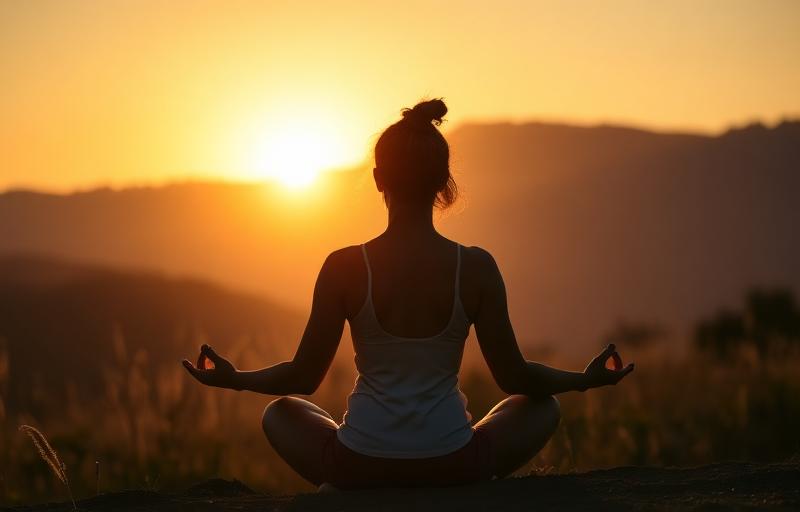
Surya Namaskar (sun salutation) is a graceful sequence of twelve postures performed as an offering of gratitude to Surya Dev, the sun god, the visible source of light, life and energy. It blends yoga asanas, conscious breathing and devotion into one flowing practice.
Traditionally done at sunrise facing the east, Surya Namaskar honours the sun as Pratyaksha Brahma - the divine we can directly see. Each round salutes the sun with a sacred mantra, making the practice a moving prayer that nourishes both body and spirit.
Spiritual Significance
In Sanatan Dharma the sun is revered as the soul of the world and the giver of vitality. Surya Namaskar carries deep spiritual meaning:
- Gratitude to the divine: It is a daily act of thanksgiving to the sun, without whose light no life could exist.
- Twelve mantras: Each posture is paired with one of the twelve sacred names of Surya, such as Om Mitraya Namah and Om Ravaye Namah, turning movement into prayer.
- Inner light: The outer sun is a symbol of the inner light of consciousness; saluting it awakens awareness and devotion within.
- Discipline and surrender: Done at dawn, it builds the spiritual discipline of rising early and beginning the day with humility and bhakti.
It is part of the same tradition as the daily Surya Arghya, offering water to the rising sun.
Physical & Mental Benefits
Surya Namaskar is often called a complete exercise because it works the whole body:
- Strength and flexibility: Stretches and strengthens the spine, arms, legs and core through twelve linked postures.
- Healthy heart and circulation: The rhythmic flow gently raises the heart rate and improves blood circulation.
- Better digestion: The forward bends and stretches massage the abdominal organs and aid digestion.
- Breath and lungs: Coordinating movement with deep breathing improves lung capacity and oxygen flow.
- Calm, focused mind: The steady rhythm and breath awareness reduce stress and bring mental clarity.
- Energy and discipline: A few rounds at sunrise leave the body warm, light and energised for the day.
Always practise within your comfort and, if you have any health condition, learn from a qualified teacher and consult a doctor.
How to Begin the Practice
- Best time: Practise at sunrise on an empty stomach, facing the east toward the rising sun.
- Start small: Begin with 2 to 4 rounds and slowly build up as your body grows comfortable. Even a few mindful rounds are beneficial.
- Twelve postures: A round flows through pranamasana (prayer pose), hasta uttanasana, padahastasana, ashwa sanchalanasana, dandasana, ashtanga namaskara, bhujangasana and back, completing twelve steps.
- Add the mantras: Chant one of the twelve Surya mantras with each posture, or simply hold Om and the feeling of gratitude in your heart.
- Breathe with the movement: Inhale as you stretch back and open, exhale as you fold forward.
- Close with stillness: End in a quiet moment of thanks to Surya Dev, perhaps offering Surya Arghya with water.
Begun with devotion, Surya Namaskar becomes both a workout and a worship, greeting each new day with light.
Frequently Asked Questions
What are the main benefits of Surya Namaskar?+
Surya Namaskar strengthens and stretches the whole body, improves heart health, digestion and lung capacity, calms the mind and builds energy and discipline. Spiritually, it is a daily act of gratitude and devotion to Surya Dev that awakens inner awareness.
When is the best time to do Surya Namaskar?+
The best time is at sunrise, on an empty stomach, facing the east toward the rising sun. The early morning air, gentle sunlight and quiet make it ideal for both the physical practice and the devotion to Surya Dev.
Why are mantras chanted during Surya Namaskar?+
Each of the twelve postures is paired with one of the twelve sacred names of Surya, such as Om Mitraya Namah and Om Ravaye Namah. Chanting them turns the physical practice into a moving prayer of gratitude and devotion to the sun god.
How many rounds of Surya Namaskar should a beginner do?+
Beginners can start with 2 to 4 rounds and slowly build up as the body grows comfortable. Even a few mindful rounds done with proper breathing are beneficial. Practise within your comfort and learn from a qualified teacher if you have any health condition.
About the author
Acharya Vinaya Kapoor · M.A. Sanskrit, Mantra & Stotra Studies
Acharya Vinaya holds an M.A. in Sanskrit from Banaras Hindu University and writes the mantra and stotra commentary on Vandnaa. Her focus is on accurate pronunciation, traditional context, and helping modern readers connect with classical texts.
Meet the Vandnaa editorial team →