What Is Kaval Deivam
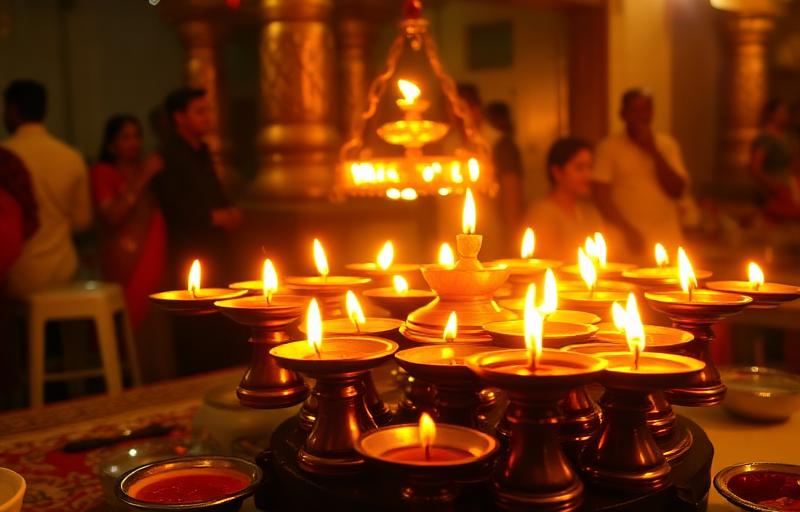
Kaval Deivam, meaning guardian deity, refers to the tradition across Tamil Nadu of installing protective deities at the boundary of a village, distinct from the central goddess or god whose temple usually sits at its heart. Ayyanar, Muniyandi, Karuppasamy, Madurai Veeran and Sudalai Madan are among the guardians most commonly recognised in this role.
The tradition reflects a clear, ordered understanding of sacred space, one deity presiding gently over the settled centre of the community, while others stand watch at its edges against whatever threatens from outside.
Its Roots in Hindu Tradition
Far from standing apart from mainstream Hindu worship, the kaval deivam system is woven into the same understanding that gives Shiva his ganas and ushers guardian figures like Kshetrapala and Bhairava to watch over sacred sites in other parts of India. Tamil Nadu's village guardians are a regional expression of this same principle, entrusted with a task the greater temple deities have delegated to them.
Many of these guardians are described in tradition as sons of Shiva, ganas granted authority, or spirits elevated through devoted service, each account rooting them firmly within the Puranic and Agamic understanding of how the divine organises its protection of the world.
How the System Works
The kaval deivam system typically follows a recognisable pattern across Tamil villages, even as specific deities and details vary from place to place.
- A central Amman or major god's temple anchors the settled, benevolent heart of the community
- One or more guardian deities are stationed at the boundary, crossroads or field edges
- Guardians are often believed to be most active at night, patrolling while the village sleeps
- Local families or communities are entrusted, sometimes for generations, with tending a guardian's shrine
- Annual festivals renew the community's gratitude and the guardian's charge for the year ahead
Guardians Across Tamil Nadu
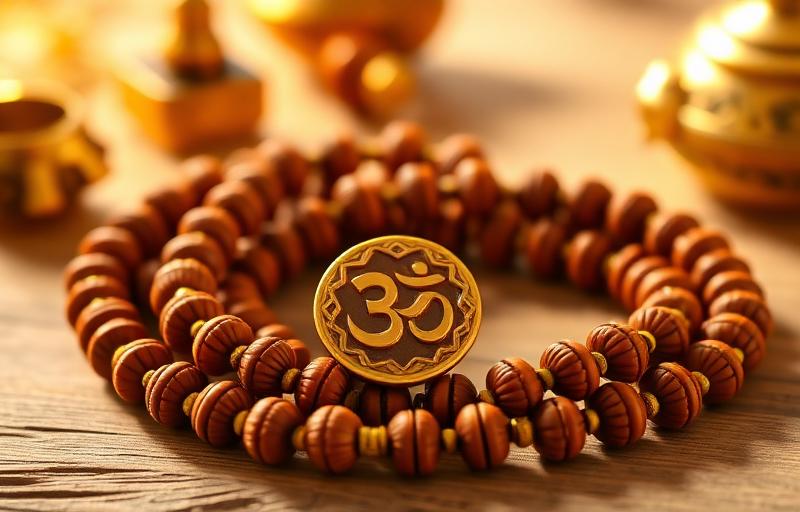
Ayyanar, seated on his terracotta horse, is perhaps the most recognised of these guardians, while Muniyandi and Karuppasamy watch over crossroads and fields in many southern districts. Madurai Veeran guards with the memory of his valour, and Sudalai Madan keeps watch over boundaries and cremation grounds alike.
Each guardian carries a distinct legend and character, yet together they form a single, coherent system that devotees rely on without needing every detail to match from one village to the next, since the underlying trust in their protection remains the same.
Its Significance in Hindu Dharma
The kaval deivam tradition reflects a broader Hindu conviction that divinity is not confined to the grand sanctum alone but present across the whole landscape a community inhabits, from field to crossroad to threshold. It gives ordinary, daily spaces a sacred dimension, reminding devotees that protection is available wherever they turn, not only when they reach a major temple.
This distributed sense of the sacred sits comfortably alongside classical temple worship, each strengthening the other, and together forming the complete devotional fabric of Tamil village life.
The Takeaway
The kaval deivam tradition shows that Hindu devotion organises protection at every scale, from the great gods of the temple sanctum down to the guardian at the village crossroad, each entrusted with a part of the same sacred duty. Recognising this system deepens a devotee's appreciation of how completely faith can watch over daily life.
Frequently Asked Questions
What does Kaval Deivam mean?+
Kaval Deivam means guardian deity, referring to the Tamil Nadu tradition of protective deities stationed at a village's boundary, distinct from the central deity worshipped at its heart.
Which deities are commonly worshipped as Kaval Deivam?+
Ayyanar, Muniyandi, Karuppasamy, Madurai Veeran and Sudalai Madan are among the guardian deities most commonly recognised in this tradition across Tamil Nadu.
Is the Kaval Deivam tradition separate from mainstream Hindu worship?+
No, it is understood as a regional expression of the same Hindu principle seen in figures like Bhairava and Kshetrapala, guardians entrusted by the greater deities to protect sacred space.
About the author
Pandit Ravindra Sharma · Vedic Rituals & Bhakti, 22+ years
Pandit Ravindra is the Vandnaa editorial team's resident specialist on aarti, chalisa, and daily devotion. He has performed home and temple pujas across Varanasi and Delhi for over two decades and contributes the bhakti-focused articles on this site.
Meet the Vandnaa editorial team →