What Is the Temple Kalash
The kalash is the small, pot-shaped finial placed at the very apex of a Hindu temple's shikhara or vimana tower, usually crafted in copper, brass, bronze or gold-plated metal, sitting just above the ribbed amalaka stone. It is often the highest physical point of the entire temple structure, visible glinting in sunlight from a considerable distance.
Far from being a mere decorative cap, the kalash is considered the ritual completion of the temple, the point that formally marks the tower, and therefore the temple, as consecrated and spiritually alive.
The Symbolism of the Pot
The kalash takes its shape from the traditional water pot used in Vedic and puja rituals, and it carries the same symbolism wherever it appears, on a temple tower, at the start of a havan, or on a household puja altar. A full kalash, traditionally filled with water, grains, coins or gems and topped with mango leaves and a coconut, represents abundance, life and auspicious beginnings.
Placed at the temple's summit, the kalash is understood to represent the deity's own crown, or the overflowing divine energy of the sanctum below, spilling upward and outward as a blessing over the surrounding land and its people.
Kalash Sthapana: A Ritual of Its Own
The placement of the kalash atop a new or renovated temple is not a routine construction step but a major ritual in itself, called kalash sthapana, usually performed as part of the temple's consecration ceremony. Priests perform elaborate rites, chanting mantras and offering prayers, before the kalash is ceremonially hoisted and fixed to the tower's peak.
This moment is often treated as one of the most significant in a temple's entire construction, drawing large numbers of devotees who consider witnessing the kalash installation to be itself an act of merit and blessing.
The Same Kalash in Daily Devotion
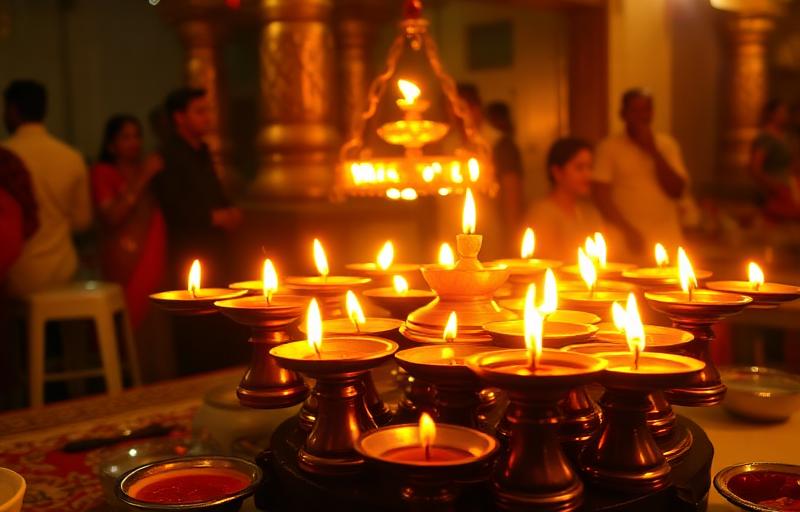
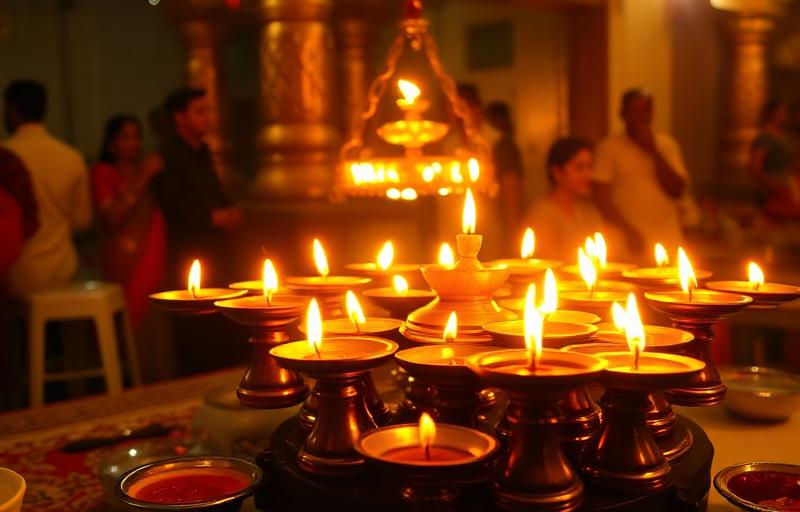
The same symbolism appears throughout a devotee's daily life, not only atop grand temples. A small kalash is placed at the start of nearly every puja, wedding, housewarming or festival ritual performed at home, representing the same idea in miniature: an invocation of auspiciousness and divine presence at the very beginning of any sacred undertaking.
Seeing the temple's kalash, then, is like seeing this familiar household ritual object magnified and made permanent, a reminder that the same devotion practiced quietly at home is what the entire temple was built to hold and celebrate.
A Beacon Seen from Afar
For devotees, the kalash catching the morning or evening sun is often one of the most memorable sights of a temple, a small glinting point atop the tower that can be seen from streets, fields or riverbanks far away. Many devotees offer a silent pranam on first sighting the kalash of their destination temple, well before reaching its gates.
During festivals, kalashes are sometimes freshly gilded or decorated, and their sight from a distance is often used by pilgrims as a landmark guiding them the last stretch of a long journey.
The Temple's Purpose, in Miniature
The kalash, though small compared to the tower it crowns, carries the temple's entire purpose in miniature: to be a vessel of the divine, overflowing with blessing for all who come seeking it. Its shape reminds every devotee that abundance in Hindu tradition is not measured only in wealth, but in grace, presence and auspicious beginnings.
Worship is an act of faith and love, not a transaction, and the kalash sitting quietly atop every temple tower has, for centuries, stood as its brightest, simplest symbol.
What People Ask Most
What does the kalash on a temple tower represent?+
The kalash represents abundance, auspiciousness and the overflowing presence of the divine, marking the temple's tower, and the temple itself, as consecrated and spiritually complete.
What is kalash sthapana?+
Kalash sthapana is the ritual installation of the kalash atop a temple tower, performed with mantras and prayers as part of the temple's consecration ceremony, marking one of the most significant moments in its construction.
Is the kalash used only on temple towers?+
No, a kalash is also placed at the start of everyday pujas, weddings, housewarmings and festivals at home, carrying the same symbolism of auspicious beginnings on a smaller scale.
About the author
Dr. Suresh Iyer · Vastu Shastra & Jyotish, 18+ years
Dr. Suresh has practiced traditional Vastu and basic Vedic Jyotish for over 18 years across South India. He contributes the Vastu, direction, and home-puja layout guides on Vandnaa.
Meet the Vandnaa editorial team →