What makes a garba song traditional?
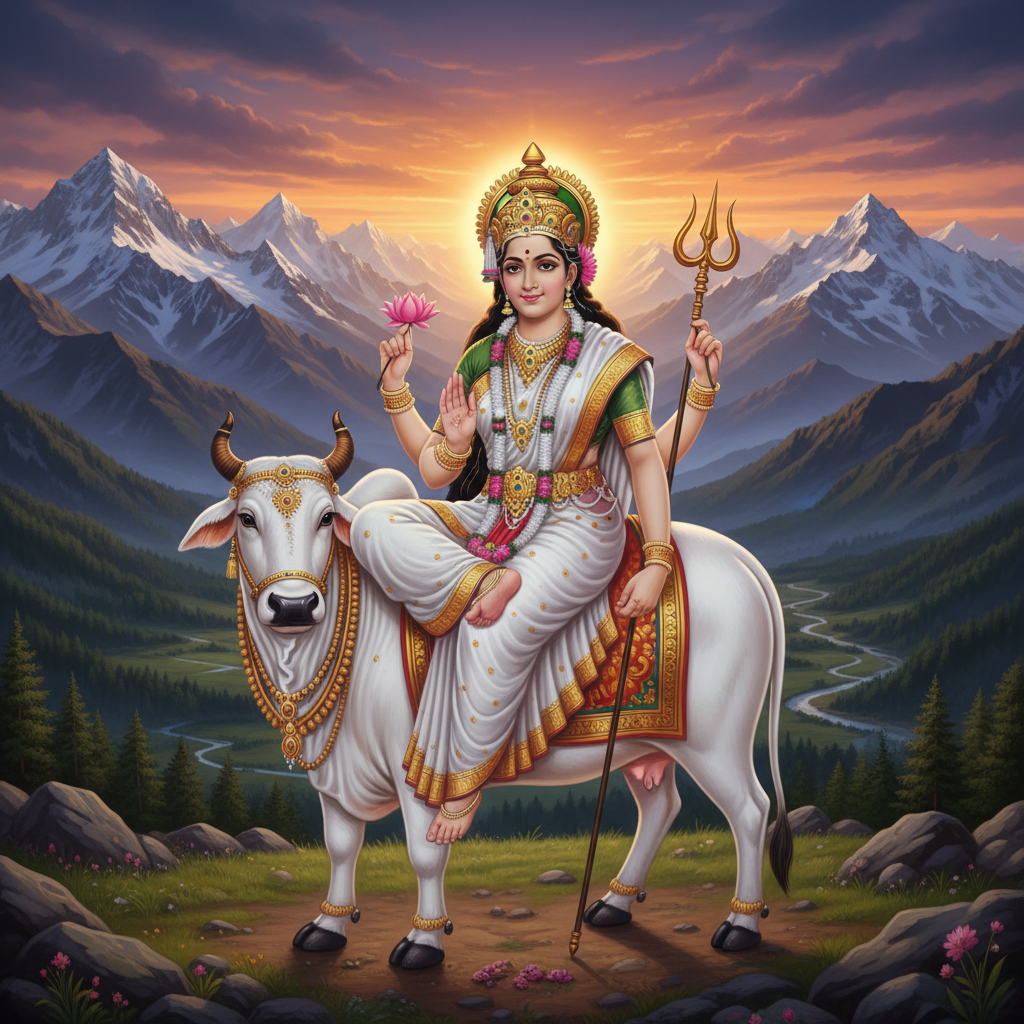
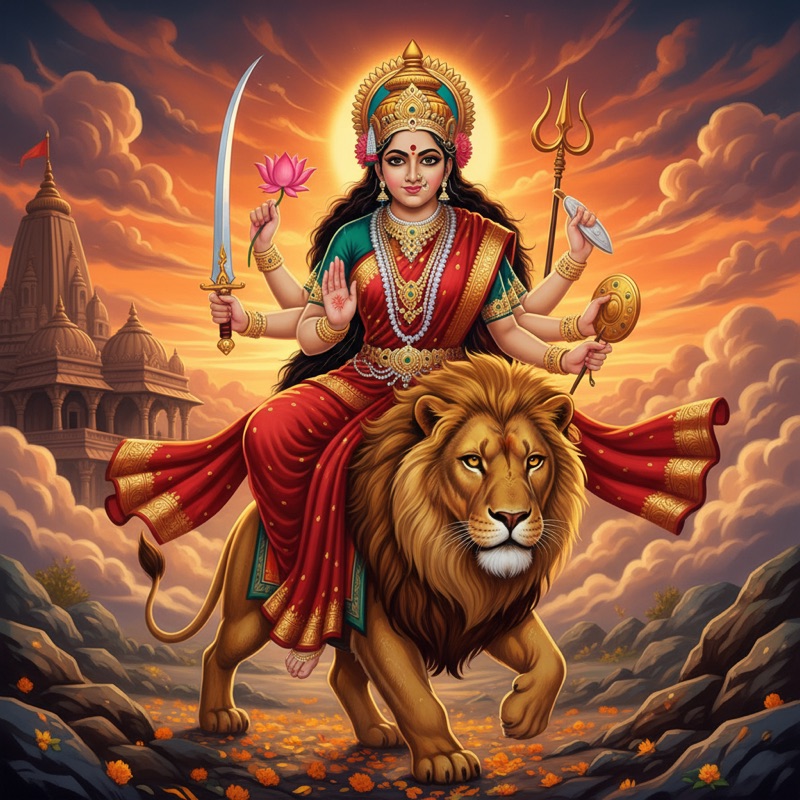
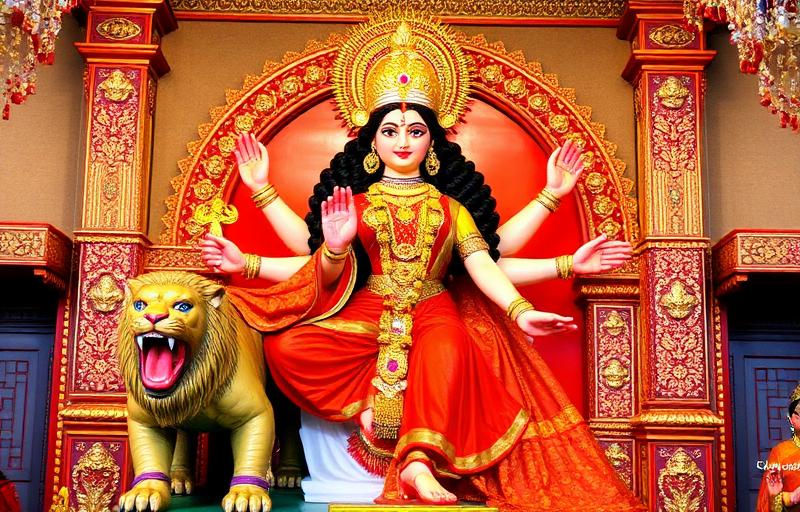
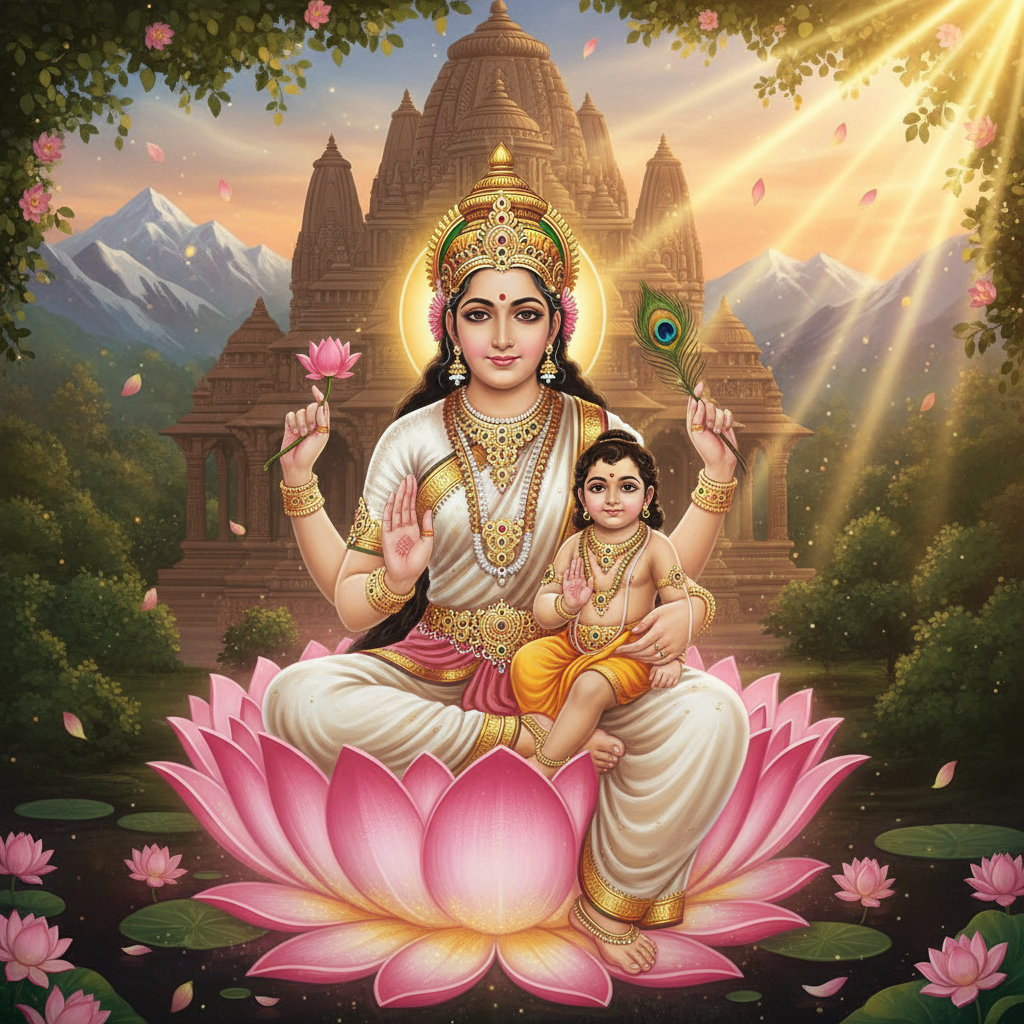
A traditional garba is a song about the Mother or about Krishna's raas, set to a folk melody passed from one generation of singers to the next, usually without a single known composer. Three threads run through almost all of them: praise of Ambe Maa, the Goddess at the centre of the circle; the longing of the gopis for Shyam, which is the Krishna raas theme; and the folk life of Gujarat, its fairs, its monsoon, its village squares, through which both stories are told.
The form is simple on purpose. A lead singer gives a line, the ring answers with the refrain, and the refrain returns every few seconds so that even a dancer who missed the verse can join the chorus.
Why does it matter what the words mean? Because garba is worship, not only dance. The circle moves around a lit clay pot, the garbo, widely understood to stand for the Mother's creative energy and the light inside every body. When you know that Pankhida is sending a bird to the Mother with a message, or that Tara Vina Shyam is a gopi waiting for Krishna, your clap lands differently. This post walks through the songs you will hear most during Navratri 2026, from 11 to 19 October, and tells you what each one is saying.
Jay Adhya Shakti: the aarti the night opens with
Every Gujarati garba night begins, and usually ends, with Jay Adhya Shakti, the aarti of Ambe Maa. Its opening phrase means victory to the primordial power, the Shakti that was there before anything else. The verses describe the Mother as the one who lit up the whole universe and who appears in many forms across the ages, and each closes on the refrain Om Jayo Jayo Maa Jagadambe, victory to the Mother of the world.
The aarti is widely attributed to a saint-poet named Shivanand Swami of Surat and is usually dated to a few centuries ago; treat the details as tradition rather than record. Around nine or ten the music stops, the garbo at the centre is lit, the aarti thali goes around, and Jay Adhya Shakti is sung in full, often eight or more verses. Only then does the slow garba begin. At many venues it is sung again at the close, so the dance is held between two acts of worship.
Two recordings are worth having. Jay Adhya Shakti by Sadhana Sargam is the clean studio version most people learn from. Jay Adhya Shakti with Gujarati lyrics on screen from Studio Sangeeta lets you follow the words, the fastest way to start understanding them. For the Hindi aarti sung at North Indian pandals, see Jai Ambe Gauri meaning.
Ambe Maa garbas: Pankhida, Chachar Na Chowk, Aaso Ni Raat
The oldest layer of garba is addressed straight to the Mother. Pankhida O Pankhida, heard here in the modern version by Saaj Bhatt and Prakriti Kakar, is the best loved. The singer calls to a bird, pankhida, and asks it to fly to Pavagadh, the hill shrine of Mahakali, and tell the Mother that her children are playing garba in her name. The bird is the devotee's own heart, sent ahead because the body is still in the village. One short line carries the song: the request to the bird to fly to Pavagadh.
Rame Ambe Maa Chachar Na Chowk imagines the Mother herself dancing. Rame means she plays or dances, and chachar na chowk is the open village square where the garba circle is drawn. The song says it is Ambe Maa who moves in the middle of the ring, and the dancers are only keeping her company: the idea behind the whole festival in one title.
Aaso Ni Raat Ajwari Re, sung by Hemant Chauhan, is about the bright nights of Aaso, the Gujarati name for the month of Ashwin in which Sharad Navratri falls. Ajwari means lit up: by the moon, by the lamps, by the Mother's presence. For a long devotional run, Maa No Garbo, also Hemant Chauhan, strings Ambaji garbas together without a pause.
Krishna raas garbas: Tara Vina Shyam, Ame Mahiyara, Aaj No Chandaliyo
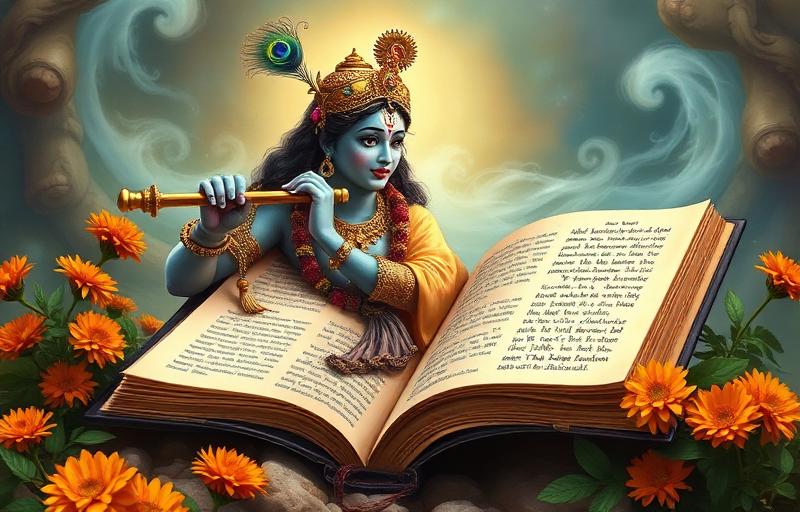
The second great family of garbas belongs to Krishna. It is widely told that raas remembers his dance with the gopis on the banks of the Yamuna, and these songs are sung in the gopis' voice. Tara Vina Shyam Mane Ekladu Lage, here in Falguni Pathak's version, is the most sung of them all. The title line means: without you, Shyam, I feel alone. The verses are a gopi's invitation to Krishna to come early and play raas, and the mood is not grief but longing with a smile in it, which is why a song about loneliness is danced with such joy.
Ame Mahiyara Re Gokul Gamna, sung by Usha Mangeshkar and Praful Dave, announces its singers in the first line: we are the milkmaids of Gokul village. The gopis introduce themselves, their pots of curd and butter, and their daily walk through the lanes where Krishna waits.
Aaj No Chandaliyo, sung by Pamela Jain, means tonight's moon, and it is the song of Sharad Purnima, the full moon after Navratri, which in 2026 falls on 26 October (check your local panchang). On that night Krishna's raas with the gopis is remembered under the brightest moon of the year, and in many places the season's final garba is danced to it. If you dance only one Krishna garba, make it this one, on that night.
The poets behind the songs: Meghani and Avinash Vyas
Not every traditional garba is anonymous. Two names stand behind songs you will hear this Navratri. Jhaverchand Meghani (1896-1947), the folklorist and poet of Saurashtra, wrote Mor Bani Thanghat Kare, usually dated to the 1930s; he is widely said to have written it after reading a Tagore poem about new rain. The title means the peacock dances with abandon, and the poem's heart is the line in which the speaker's own mind becomes the peacock and dances at the first monsoon rain. Most people now know it from Ram-Leela (2013), sung by Osman Mir and Aditi Paul: Mor Bani Thanghat Kare. The melody is new; the words are Meghani's.
Avinash Vyas (1912-1984) is widely called the father of modern Gujarati garba and film music; his son Gaurang Vyas composed many later songs. Hoon To Gai Thi Mele, here in Falguni Pathak's version with Gaurang Vyas's music, means I had gone to the fair. It is a young woman's account of a village mela, what she saw and what she brought home, told in a quick, teasing rhythm that makes it a favourite for the medium-fast block. Vyas wrote in the folk register so faithfully that many dancers assume his songs are centuries old. That is the highest compliment a garba poet can get.
The folk fast tempo: sanedo and the flying odhni
When the night gets fast, the songs get earthier. Sanedo is a folk form from North Gujarat, the Mehsana and Patan side, and it is widely told that it began as a village call-and-response in which the lead singer tosses out a line and the whole ground shouts the word sanedo back. Lal Lal Sanedo, sung by Maniraj Barot, is the classic. Lal means red, the colour of the Mother, of the bride, of the kumkum on the garbo; the song piles up images of red and lets the crowd answer each one.
The odhni, the dupatta, is the other great subject of fast folk garba. Ke Odhni Odhu Odhu Ne Udi Jaye, from the Gujarati film Meru Malan, sung by Alka Yagnik and Praful Dave, has a title that says it all: I try to wear my odhni and it keeps flying away. Falguni Pathak's Odhni Odhu takes the same image into her 1990s sound, and her Kesariyo Rang, is the medium-fast song most grounds use to move from garba toward raas.
The folk songs give the body its release after the slow Ambe Maa garbas, and the ring returns to the Mother for the closing aarti with that joy still in it. For a long run in this spirit, Kinjal Dave's Navrangi 2.0 is the current favourite.
How to listen for meaning while you dance
You do not need to understand every word to dance with meaning. First, catch the refrain. Every traditional garba returns to one line, Om Jayo Jayo Maa Jagadambe, or the word sanedo, or the title phrase of Tara Vina Shyam, and that line is the song's whole intention compressed.
Second, listen for the call and response. The lead singer gives the verse; the ring answers. The live Garba Medley by Osman Mir, Third Culture Collective and Kavi Pau shows this beautifully: watch the crowd take over the chorus.
Third, keep the pot in view. The garbo at the centre, the perforated clay lamp with the flame inside, is what the circle is for. The word garba comes from garbha, the womb, and it is widely understood that the light inside the pot is the Mother's energy and the life inside every body. When the song is to Ambe Maa, you are singing to that light. When it is to Krishna, you are the gopi circling him. Either way the step turns you back toward the centre every few counts, and that return is the meaning. For the symbolism of the lamp and the circle, read Garba symbolism. Then go to the ground on 11 October, join the outer ring, and let the refrain teach you the rest.
Frequently Asked Questions
Is Jay Adhya Shakti sung before or after garba?+
Usually both. At most Gujarati venues the aarti is sung around nine or ten before the slow garba begins, and many sing it again at the close of the night so the dance sits between two acts of worship.
Why are Krishna songs played at Navratri, which is the Goddess's festival?+
Because raas, the stick dance that follows garba, is widely told to remember Krishna's dance with the gopis. Garba honours Ambe Maa at the centre; raas brings in the Krishna songs. Both are part of the same night in Gujarat.
What does the word garbo mean?+
Garbo is the perforated clay pot with a lamp inside placed at the centre of the circle. The word comes from Sanskrit garbha, womb, and the lit pot is widely understood to represent the Mother's creative energy and the light of life within the body.
Which traditional garba should I learn the meaning of first?+
Start with Jay Adhya Shakti, because you will sing it every night, then Pankhida O Pankhida for the Ambe Maa theme and Tara Vina Shyam for the Krishna theme. Those three cover most of what a Navratri night is saying.
About the author
Pandit Mahesh Trivedi · Festival Traditions & Panchang
Pandit Mahesh leads the festival-date and Panchang content on Vandnaa. He cross-references multiple regional panchangs (Drik, Vaishnava, Bengali, Marathi) for every festival date published on the site.
Meet the Vandnaa editorial team →