Three Rivers, One Tirtha - Ganga, Yamuna and the Unseen Saraswati
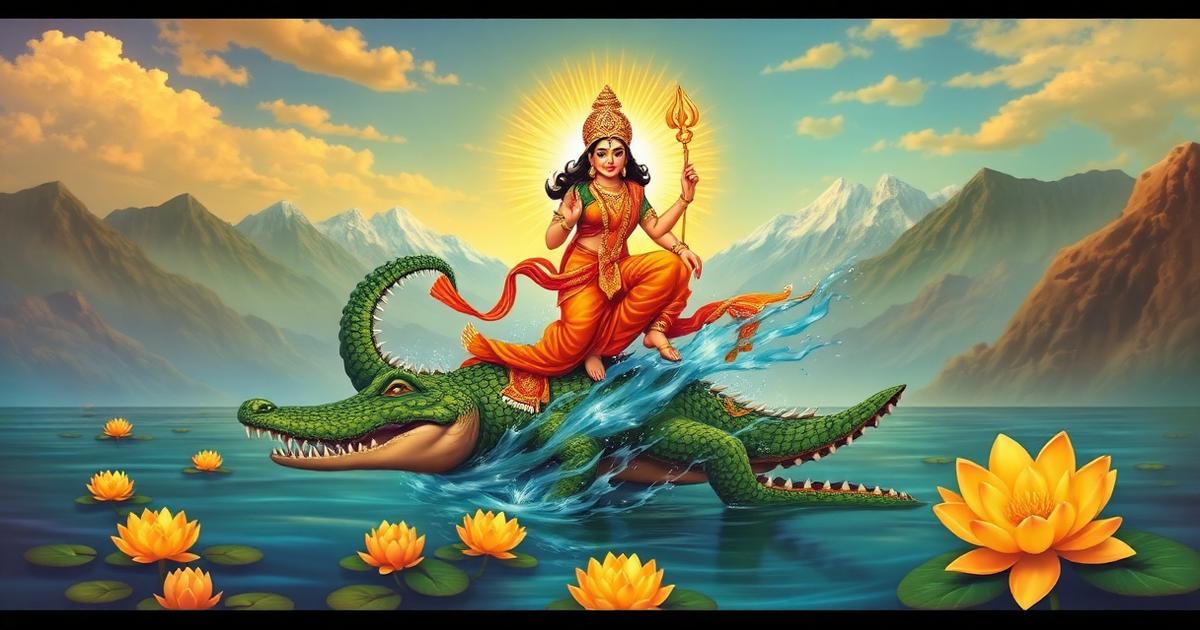
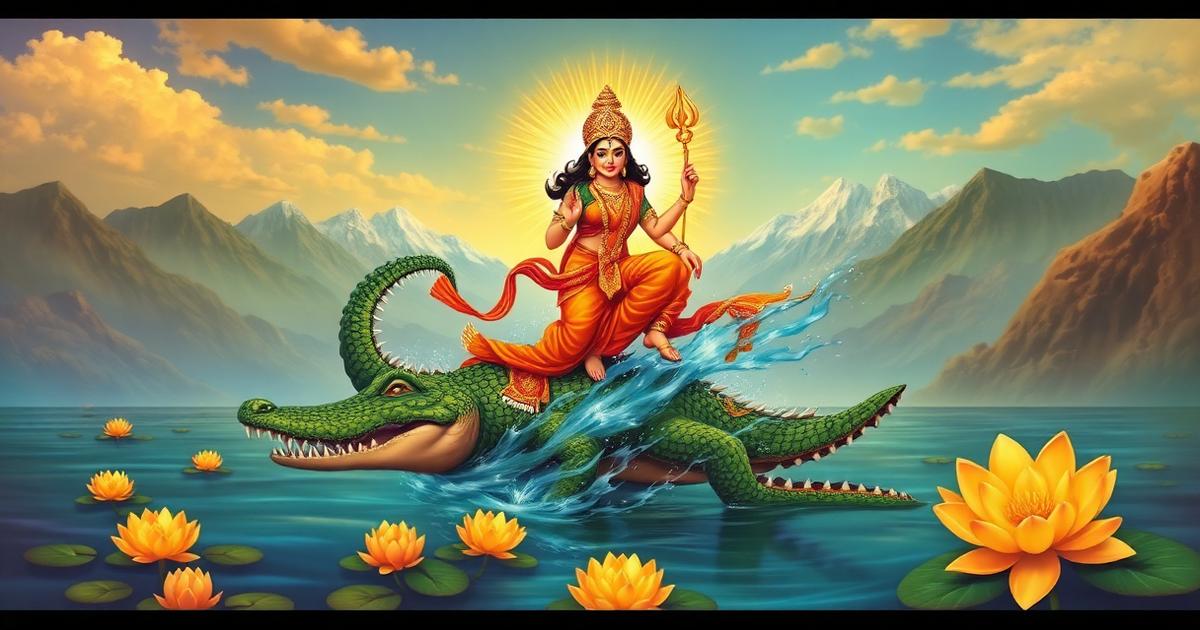
At Prayagraj, the brown-gold waters of the Ganga and the deeper blue-green of the Yamuna visibly merge, and tradition adds a third, hidden stream: the Saraswati, the Vedic river believed to flow unseen beneath the confluence. This is the Triveni Sangam, the braid of three rivers, and the scriptures honour Prayag as Tirtharaj, the king of all tirthas, where even other tirthas are said to come to bathe. The very name Prayag recalls the foremost yagna, for Brahma is held to have performed the first sacrifice here after creation. Standing at the water's edge, pilgrims can actually see the two colours meeting in a shifting line across the river, a daily, visible darshan of what the shastras describe: distinct streams of grace becoming one.
The Significance of the Sangam Snan
The snan at the Sangam is held to be among the most purifying acts available to an embodied soul. The Padma Purana and other texts declare that a bath at Prayag burns away accumulated paap and grants the fruit of countless yagnas, and the Ramcharitmanas sings of Prayagraj as the place whose very darshan removes sin. The deeper teaching is inward: Ganga represents jnana (knowledge), Yamuna bhakti (devotion), and the hidden Saraswati the subtle wisdom that appears only when the two unite. Bathing at their meeting point is thus a prayer for one's own inner confluence. Pilgrims typically take three dips with a sankalp, offer arghya to Surya, perform tarpan for ancestors, and many give daan (anna, vastra or godaan through priests) on the bank afterwards. Even a palmful of Sangam water sipped with faith is treasured as tirtha-prasad.
The Boat Ride to the Sangam Point
The actual meeting point of the rivers lies out in the water, so the classic Prayag experience is the boat ride from the ghats near the Kila (Akbar's fort) out to the Sangam nose. Wooden rowboats and motorboats carry pilgrims to platforms moored at the confluence, where pandas help with snan, sankalp and tarpan as the two currents tug at the planks beneath. Bathing where you can place one hand in the warmer Ganga and the other in the cooler Yamuna is an experience pilgrims describe for the rest of their lives. Boats can be shared or hired whole; agree the fare and duration before boarding, and insist on life jackets, which boatmen carry. Early morning rides are the most beautiful, with the sun rising over the water, gulls wheeling around the boats and the far bank lined with the tents or fields of the mela grounds.
Kumbh, Magh Mela and the Kalpvas Tradition
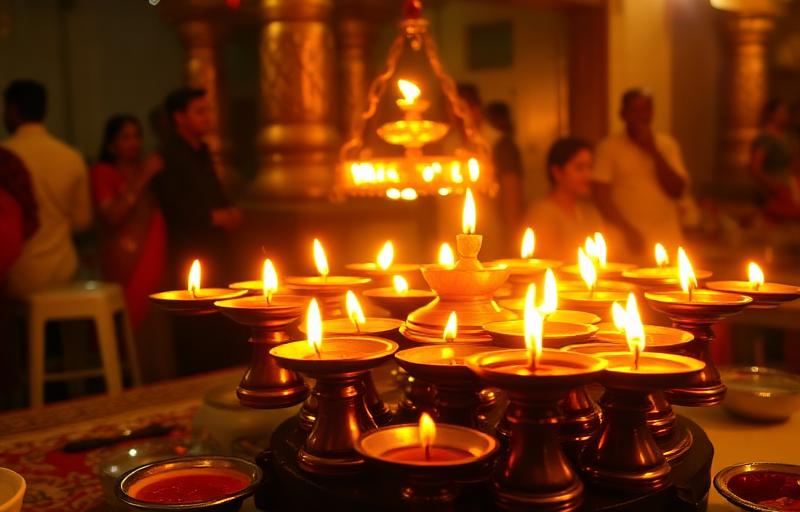
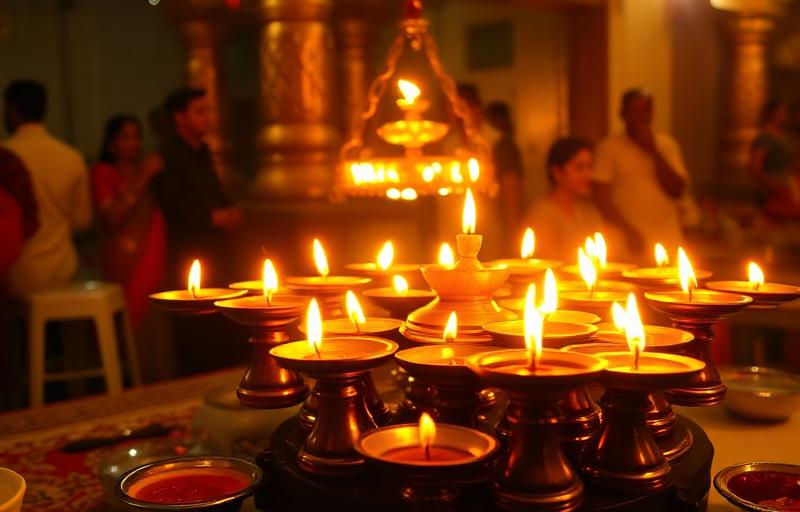
Prayagraj's sanctity peaks in the month of Magh (January-February), when the annual Magh Mela raises a temporary city of tents on the sands, and reaches its summit in the Kumbh Mela, held here by the twelve-year cycle, when crores gather for the shahi snans. The most intense observance is kalpvas: devotees, traditionally elders, vow to live the entire month of Magh on the Sangam sands in austerity, bathing thrice daily, eating once, sleeping on the ground and spending their days in katha, japa and satsang. The Puranas say one month of kalpvas at Prayag yields the fruit of lifetimes of tapasya. Even visitors who cannot stay the month absorb its atmosphere: mornings of lamplit processions to the water, akhara camps, and the continuous hum of Ram naam across the sands. Key snan dates include Makar Sankranti, Mauni Amavasya, Basant Panchami and Maghi Purnima.
Akshayavat, the Lying Hanuman Temple and Bharadwaj Ashram
Three darshans complete the Prayag yatra. The Akshayavat, the imperishable banyan within the Akbar fort precinct, is revered as the tree that survives even pralaya; tradition says Ram, Sita and Lakshman rested beneath it on their way to vanvas, and its darshan has been reopened to pilgrims in recent years. Nearby on the bank stands the unique temple of Bade Hanuman ji, where the murti reclines, lete hue, half below ground level. Each monsoon, the rising Ganga traditionally enters the sanctum and bathes the murti, an event the city celebrates as Ganga herself coming for darshan; pilgrims customarily visit Hanuman ji after the Sangam snan, as the snan is said to bear fruit only with his darshan. Bharadwaj ashram, on the Colonelganj rise, marks the seat of the rishi who hosted Ram during the exile journey and taught thousands of students, linking Prayag to the Ramayana itself.
Best Times for the Sangam Snan
The Sangam rewards every season differently. Magh (January-February) is the devotional summit, with the Magh Mela, kalpvas and the great snan days; Mauni Amavasya draws the largest single-day crowds outside a Kumbh. Makar Sankranti, Ganga Dussehra (May-June) and Kartik Purnima are also major bathing days. For pilgrims who want quiet, the months of October to December offer cool mornings, mist on the water and uncrowded boats. Summer snan is best at dawn, before the Doab heat builds. During the monsoon the rivers run high and fast; boating may be restricted for safety, and the snan happens at the ghats instead. Whenever you go, the timeless advice of the tirtha-purohits holds: bathe at brahma muhurta if you can, when the sands are silver and the first chants rise over the water.
How to Reach Prayagraj and Practical Tips
Prayagraj is one of north India's best-connected cities. Prayagraj Junction and its satellite stations link directly to Delhi, Mumbai, Kolkata, Varanasi and Lucknow; the airport at Bamrauli has flights from major cities; and national highways connect Varanasi (about 120 km), Lucknow (about 200 km) and Chitrakoot. The Sangam area lies a few kilometres from the junction, reached by auto, e-rickshaw or taxi toward the Kila and Bandh roads. Tips: keep a dry set of clothes and a small towel in a waterproof bag for the snan; women will find enclosed changing areas on the main ghats; settle boat fares before boarding; engage a tirtha-purohit for tarpan or sankalp through the recognised ghat panchayats; on big snan days follow police routings patiently, as lakhs move together; and pair the yatra with Varanasi or Chitrakoot, both within easy reach, for a fuller circuit of the region's tirthas.
What People Ask Most
Which three rivers meet at the Triveni Sangam?+
The Ganga and Yamuna meet visibly at Prayagraj, and tradition holds that the Saraswati, the lost Vedic river, joins them unseen from below. The braid of three rivers gives the confluence its name, Triveni Sangam, and Prayag its title of Tirtharaj.
What is the significance of bathing at the Sangam?+
The scriptures declare that a snan at Prayag destroys accumulated paap and grants the fruit of many yagnas. Symbolically, Ganga represents jnana and Yamuna bhakti, with the hidden Saraswati as the wisdom born of their union, so the snan is a prayer for inner confluence too.
What is kalpvas at Prayagraj?+
Kalpvas is the vow of living the entire month of Magh on the Sangam sands in austerity: bathing thrice daily, eating once, sleeping on the ground and spending the days in japa, katha and satsang. The Puranas say it yields the fruit of lifetimes of tapasya.
Why is the Hanuman murti at Prayagraj lying down?+
The Bade Hanuman temple near the Sangam enshrines a rare reclining murti, set partly below ground. Each monsoon the rising Ganga traditionally enters the sanctum and bathes the murti, celebrated as Mother Ganga coming for his darshan. Pilgrims visit him after the Sangam snan to complete its fruit.
When are the best days for the Sangam snan?+
The month of Magh is supreme, with Makar Sankranti, Mauni Amavasya, Basant Panchami and Maghi Purnima as the great snan days, and the Kumbh Mela by its twelve-year cycle is the summit. For quieter darshan, October to December offers cool, uncrowded mornings.
How do I reach the Sangam point in the river?+
Rowboats and motorboats from the ghats near the fort carry pilgrims to platforms moored at the confluence, where the snan, sankalp and tarpan are performed. Fix the fare before boarding and use the life jackets the boatmen carry. Dawn rides are the most beautiful.
About the author
Pandit Ravindra Sharma · Vedic Rituals & Bhakti, 22+ years
Pandit Ravindra is the Vandnaa editorial team's resident specialist on aarti, chalisa, and daily devotion. He has performed home and temple pujas across Varanasi and Delhi for over two decades and contributes the bhakti-focused articles on this site.
Meet the Vandnaa editorial team →