Who Tuljabhavani Is
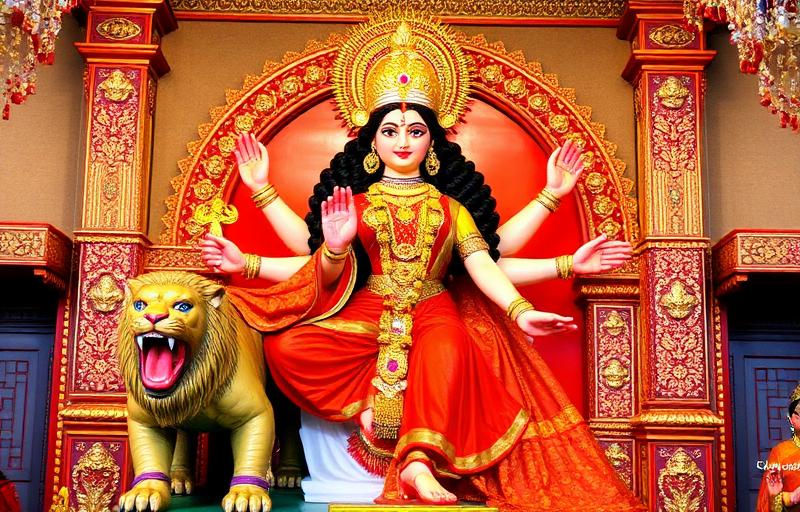
At Tuljapur, in what is now Dharashiv district, stands the temple of Tuljabhavani, a form of Devi Durga revered across Maharashtra as a source of strength, protection and unwavering courage. Regarded by devotees as one of Maharashtra's three and a half Shakti Peethas, alongside Kolhapur's Mahalakshmi, Mahur's Renuka and the half-peetha at Vani, Tuljapur holds a place of particular reverence in the state's devotional landscape.
Kuldevi of Chhatrapati Shivaji Maharaj
Tuljabhavani is especially remembered as the kuldevi, or family deity, of Chhatrapati Shivaji Maharaj, whose devotion to her is woven into Maharashtra's historical memory. Tradition holds that Shivaji Maharaj sought her blessings before major undertakings, and popular legend recounts that Bhavani herself blessed him with a sword before a significant battle, an episode devotees recall as proof of her protective grace over those who serve dharma with sincerity.
The Temple and Its Setting
The temple complex at Tuljapur sits amid hills, its structure shaped by additions and renovations made across different periods by devoted patrons over the centuries. A flight of steps, referred to locally as the Gomukh Teerth path, and the temple's inner sanctum draw a steady stream of pilgrims, many of whom make the journey specifically to seek Bhavani's blessings before starting new ventures, much as devotees of earlier centuries are said to have done.
Navratri at Tuljapur
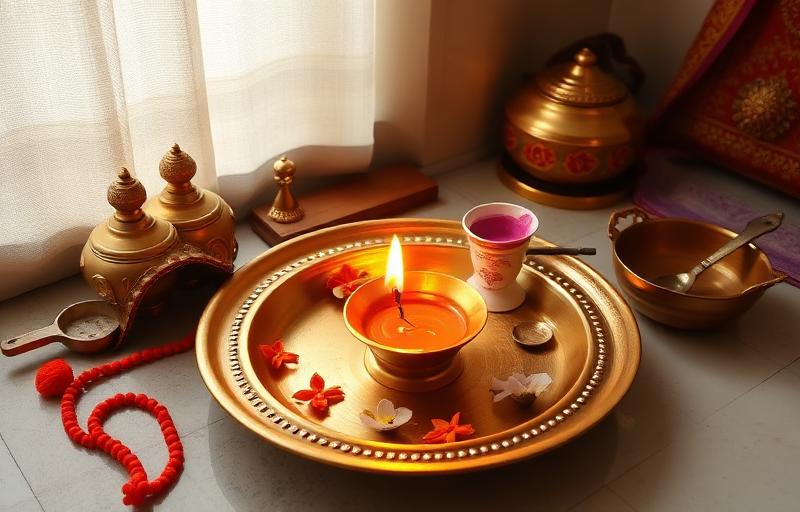
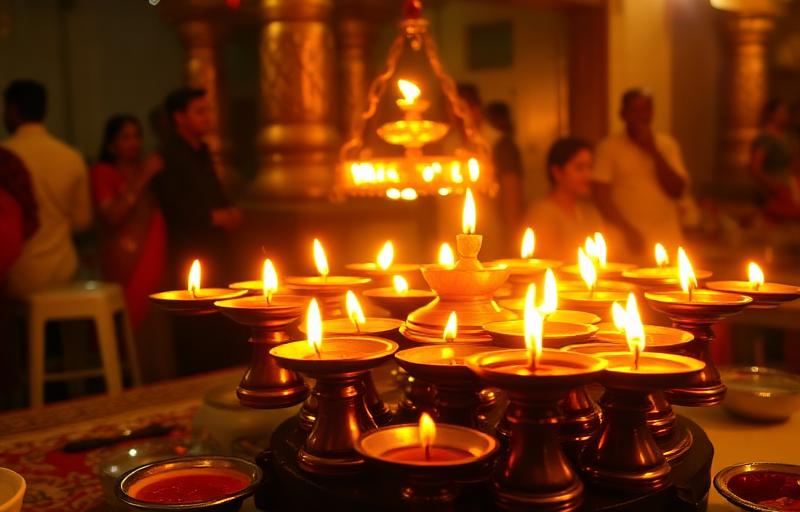
Navratri is the temple's most significant season, when Tuljapur fills with devotees from across Maharashtra and beyond, arriving to witness the Devi in her different forms across the nine nights and to take part in the concluding celebrations. The atmosphere during these days, filled with devotional singing, processions and continuous darshan queues, reflects just how central this Devi remains to the region's collective faith.
Significance for Today's Devotees
Many Maharashtrian families continue to regard Tuljabhavani as their kuldevi, making the pilgrimage to Tuljapur an important, sometimes once-in-a-lifetime family event tied to weddings or other major milestones. Devotees say that seeking her blessing before a difficult decision or a new beginning is a practice passed down through generations, treating her as a steady, protective presence in times of uncertainty.
A Simple Chant and the Takeaway
Devotees at Tuljapur often chant "Jai Bhavani, Jai Shivaji," a phrase that binds the Devi's grace to the historical memory of the ruler who revered her, a reminder of how devotion and courage have long been considered close companions in this tradition.
What pilgrims carry home from Tuljapur is often exactly that pairing: the sense that true strength is asked for, not assumed, and that it is meant to be used in service of something larger than oneself.
Common Questions From Devotees
Why is Tuljabhavani significant to Chhatrapati Shivaji Maharaj's history?+
She is revered as his kuldevi (family deity), and tradition holds that he sought her blessings before major undertakings throughout his life.
Is Tuljapur considered one of the Shakti Peethas?+
Yes, Tuljabhavani is regarded by devotees as one of Maharashtra's three and a half Shakti Peethas, along with Kolhapur, Mahur and the half-peetha at Vani.
When is the best time to visit the Tuljabhavani temple?+
Navratri is the most significant and lively period, drawing large numbers of devotees, though the temple welcomes pilgrims throughout the year.
About the author
Pandit Mahesh Trivedi · Festival Traditions & Panchang
Pandit Mahesh leads the festival-date and Panchang content on Vandnaa. He cross-references multiple regional panchangs (Drik, Vaishnava, Bengali, Marathi) for every festival date published on the site.
Meet the Vandnaa editorial team →