What is Vaikunta Ekadashi
Vaikunta Ekadashi falls on the Shukla Paksha Ekadashi of the Tamil month of Margazhi (Dhanurmasa), typically in the winter month of December to January, and is regarded by Vaishnavas as the most sacred of all the year's twenty-four Ekadashis. It is observed with special reverence at Vishnu temples across Tamil Nadu, most famously at the Ranganathaswamy Temple in Srirangam.
The day is closely associated with the belief that a special gateway to Vishnu's abode, Vaikuntha, opens on this day, allowing devotees a rare and especially auspicious darshan.
The Meaning of the Vaikunta Dwaram
At major Vaishnava temples, a special gate, usually the northern entrance, is kept closed through the year and opened only on this day. It is called the Vaikunta Dwaram or Paramapada Vasal, meaning the gateway to the highest abode. Devotees believe that passing through this gate on Vaikunta Ekadashi, while the Lord is in procession, carries the devotee's prayers closer to moksha, liberation from the cycle of birth and death.
The tradition draws on the wider Vaishnava understanding that sincere devotion (bhakti) to Vishnu on this most sacred of Ekadashis can grant blessings that are otherwise difficult to attain, making the day one of quiet but immense faith for devotees who often travel long distances to be present.
Rituals and Vidhi of the Day
Devotees observe a strict fast on Vaikunta Ekadashi, many keeping an all-night vigil (jagaran) filled with bhajans and the recitation of Vishnu's names. At temples, the deity is taken in a grand procession through the Vaikunta Dwaram, often accompanied by the recitation of the Tiruppavai and Tiruvaimozhi, sacred Tamil Vaishnava hymns.
At home, devotees typically wake before dawn, bathe, wear fresh clothes, and spend the day in prayer, avoiding grains in their fast and breaking it only the next morning after further worship.
- A strict day-long fast, often without grains
- An all-night vigil with bhajans and hymns
- Temple procession of the deity through the Vaikunta Dwaram
- Breaking the fast the following morning after prayer
Vaikunta Ekadashi Across Vaishnava Temples
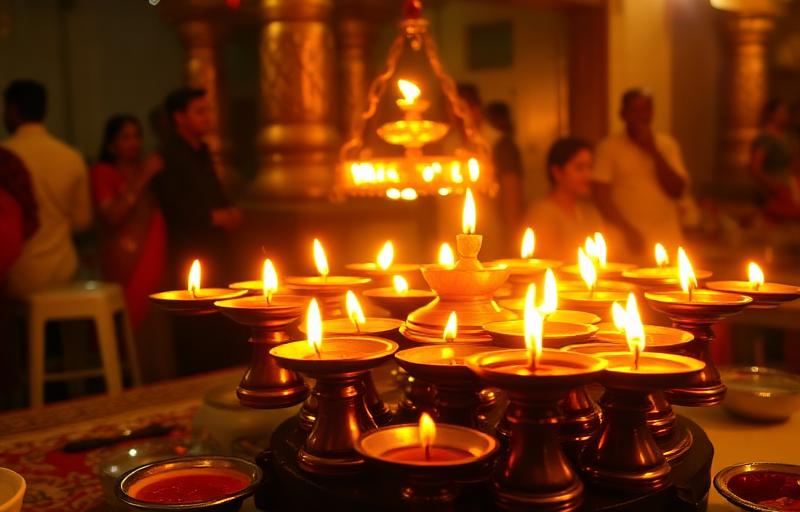
While Srirangam's celebration is among the most renowned, the tradition of a special Vaikunta Dwaram procession is observed at many major Vaishnava temples across South India, including Tirupati and other Divya Desams, the 108 sacred Vishnu shrines celebrated in Tamil Vaishnava tradition. Each temple's ten-day festival period, often called Adhyayana Utsavam, builds up to Vaikunta Ekadashi as its central day.
In North India, the same Ekadashi is often referred to as Mokshada Ekadashi, and while the Vaikunta Dwaram tradition is specifically South Indian, devotees everywhere mark the day with fasting and prayer to Vishnu.
Mantra and the Deeper Meaning
On this day, devotees often chant:
"Om Namo Narayanaya" - salutations to Narayana, the one in whom all beings ultimately find refuge.
Vaikunta Ekadashi's deeper teaching lies less in any literal gateway and more in what it represents: that sincere devotion, discipline and remembrance of God open doors that seem otherwise closed. Devotees who observe the fast and prayer see it not as a transaction for guaranteed liberation, but as an act of faith and surrender offered with a full heart.
Common Questions From Devotees
When does Vaikunta Ekadashi fall?+
It falls on the Shukla Paksha Ekadashi of the Tamil month of Margazhi, usually in December-January, the most sacred of the year's Ekadashis for Vaishnavas.
What is the Vaikunta Dwaram?+
It is a special temple gate, usually kept closed through the year, opened only on Vaikunta Ekadashi, believed to symbolise the gateway to Vishnu's abode.
Is Vaikunta Ekadashi the same everywhere in India?+
The Vaikunta Dwaram procession is a specifically South Indian, mainly Tamil Vaishnava tradition, though the same Ekadashi is observed with fasting and prayer to Vishnu across India, sometimes called Mokshada Ekadashi in the north.
About the author
Pandit Mahesh Trivedi · Festival Traditions & Panchang
Pandit Mahesh leads the festival-date and Panchang content on Vandnaa. He cross-references multiple regional panchangs (Drik, Vaishnava, Bengali, Marathi) for every festival date published on the site.
Meet the Vandnaa editorial team →