What Is the Vidyarambh Sanskar?
Vidyarambh (literally 'the beginning of knowledge'), known in South India as Aksharabhyasam or Vidyarambham, is one of the traditional Hindu sanskars that marks a child's formal introduction to learning. Around the age of three to five, the child is helped to write their first letters - often Om or a prayer to Saraswati - under divine blessings.
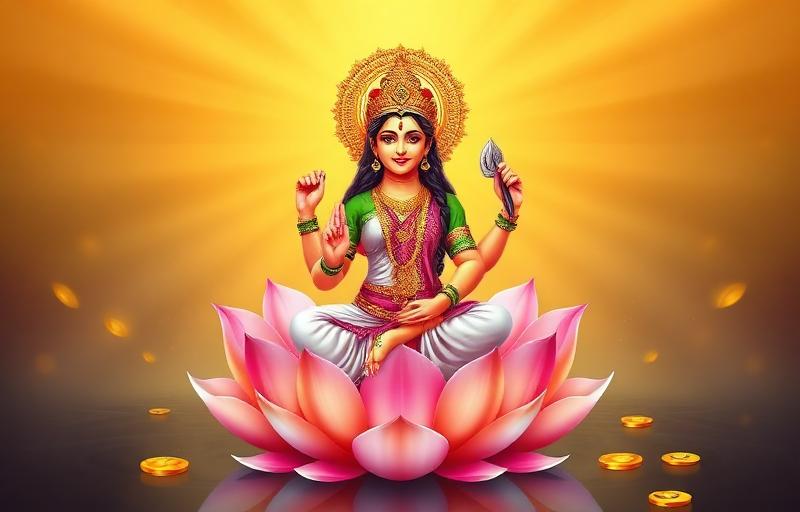
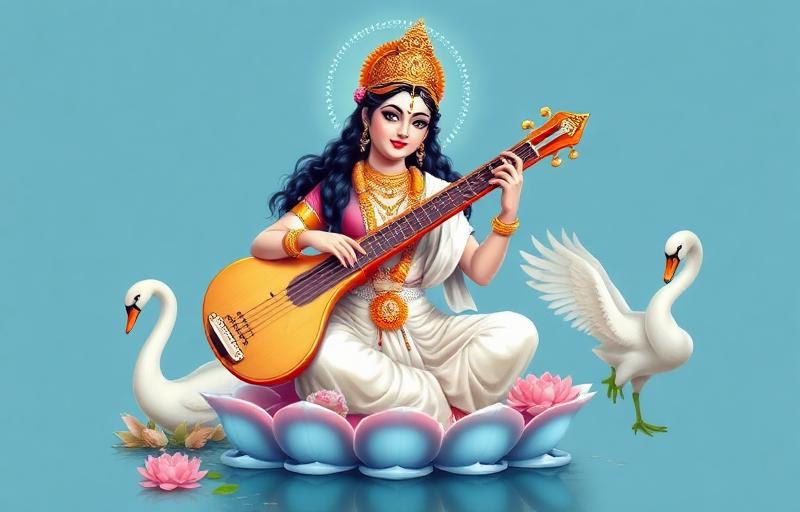
The sanskar reflects the deep Hindu reverence for vidya (knowledge). Education is seen not merely as gaining skills but as a sacred journey, and so it is begun with prayer, a guru's blessing and the grace of Goddess Saraswati, the deity of learning, music and wisdom.
Significance of Vidyarambh
In the Hindu tradition, vidya is considered the greatest wealth - one that cannot be stolen and only grows when shared. The Vidyarambh sanskar instils this value from the very first lesson.
Its deeper meanings include:
- Invoking Saraswati's grace so the child's learning is blessed and joyful.
- Honouring the guru and the act of teaching as sacred.
- A positive, auspicious start that frames education as a noble pursuit, not a burden.
- Family blessing, as elders pray for the child's intellect, memory and good character.
It is believed that beginning learning with devotion sows reverence for knowledge that stays with the child for life.
Vidyarambh Vidhi - How It Is Performed
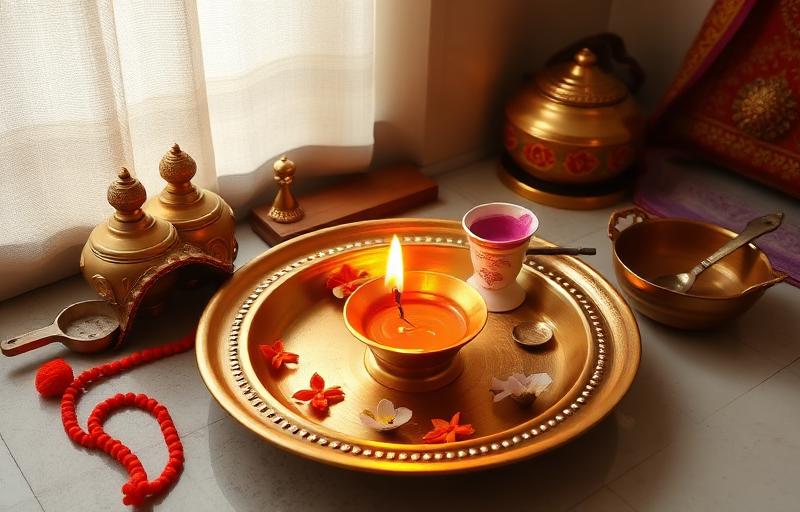
1. Choose an auspicious day: Vasant Panchami, Vijayadashami (Dussehra), Akshaya Tritiya or a muhurat suggested by the family priest. 2. Bathe the child and dress them in fresh, clean clothes. 3. Saraswati & Ganesh puja: Worship Goddess Saraswati and Lord Ganesha (remover of obstacles) with flowers, akshat, a lamp and prasad such as fruit or sweets. 4. First letters: The child is gently held by the parent or guru and helped to write 'Om' or 'Om Namah Shivaya' or a Saraswati prayer - traditionally first in a tray of rice or sand, then on a slate or paper. 5. Chant: Recite a Saraswati mantra such as Saraswati Namastubhyam Varade Kamarupini.... 6. Blessing: Elders and the guru bless the child, who then offers pranam. Prasad is distributed to complete the sanskar.
Best Days & the Saraswati Mantra

Most auspicious occasions for Vidyarambh:
- Vasant Panchami - the festival of Goddess Saraswati, considered ideal.
- Vijayadashami (Dussehra) - widely chosen in many regions for starting studies.
- Akshaya Tritiya and other muhurats recommended by the family priest.
A simple Saraswati prayer for the day: Saraswati Namastubhyam Varade Kamarupini, Vidyarambham Karishyami Siddhirbhavatu Me Sada. (Salutations to you, O Saraswati, giver of boons and fulfiller of wishes; I begin my learning - may I always meet with success.)
A simpler home version of the sanskar is also fine: on an auspicious day, with a clean heart, help the child write 'Om', chant the Saraswati mantra and seek the blessings of elders. What matters most is the devotion and the loving start to the child's lifelong journey of learning.
Common Questions From Devotees
At what age is Vidyarambh sanskar performed?+
Vidyarambh is traditionally performed around the age of three to five years, when the child is ready to begin learning letters. The exact age varies by family custom and the muhurat chosen.
Which deity is worshipped in Vidyarambh?+
Goddess Saraswati, the deity of knowledge, music and wisdom, is the principal deity. Lord Ganesha is also worshipped first as the remover of obstacles, so the child's learning begins smoothly.
What is the difference between Vidyarambh and Aksharabhyasam?+
They refer to the same start-of-learning sanskar. 'Vidyarambh' is the common North Indian name, while 'Aksharabhyasam' or 'Vidyarambham' is used in South India. The core ritual of writing the first letters under Saraswati's blessings is the same.
Which day is best for Vidyarambh?+
Vasant Panchami, the festival of Goddess Saraswati, is considered the most auspicious. Vijayadashami (Dussehra) and Akshaya Tritiya are also widely chosen. Otherwise, a muhurat suggested by the family priest can be followed.
About the author
Anjali Mehta · Editor, M.A. Religious Studies
Anjali is the managing editor for Vandnaa and oversees the festival and vrat coverage. She holds an M.A. in Religious Studies and reviews every published article for accuracy, accessibility, and tradition-fidelity.
Meet the Vandnaa editorial team →