Who is Vishnu and When to Do This Puja
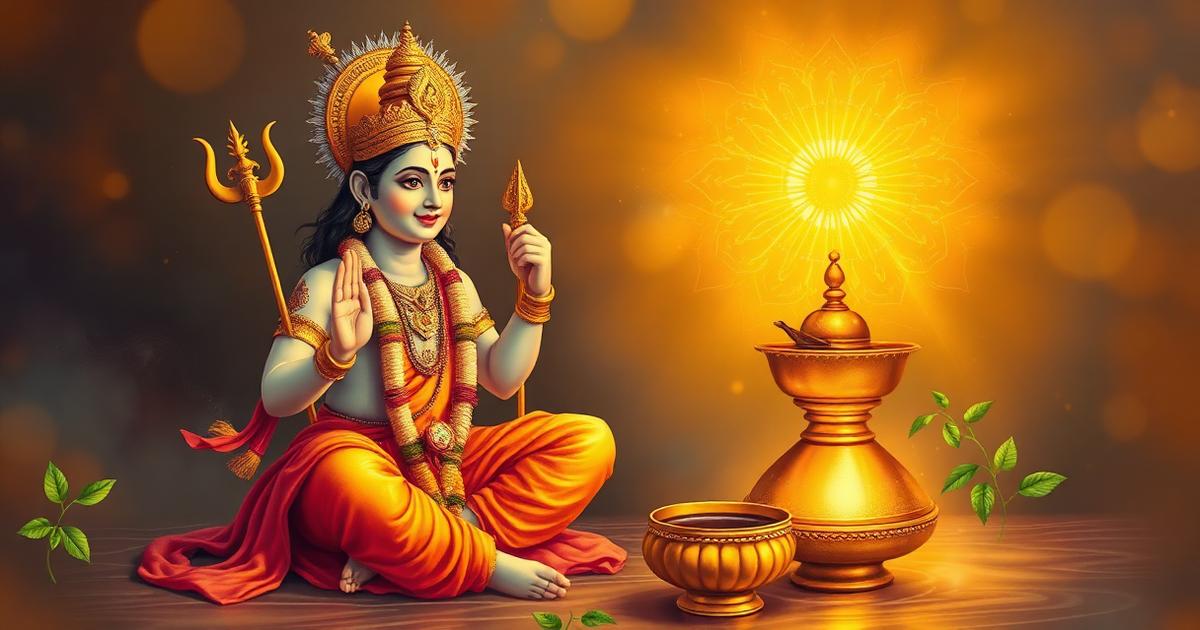
Vishnu is worshipped as the Preserver within the divine cycle of creation, preservation and dissolution, the one who maintains balance and dharma in the world through his various avatars. He is worshipped at home usually through a photo or small idol, often alongside Goddess Lakshmi, and his puja is inseparable from tulsi, the sacred basil plant considered dear to him above all else.
Thursdays (Guruvar) and Ekadashi are especially associated with his worship, but daily worship at home is common and encouraged as well.
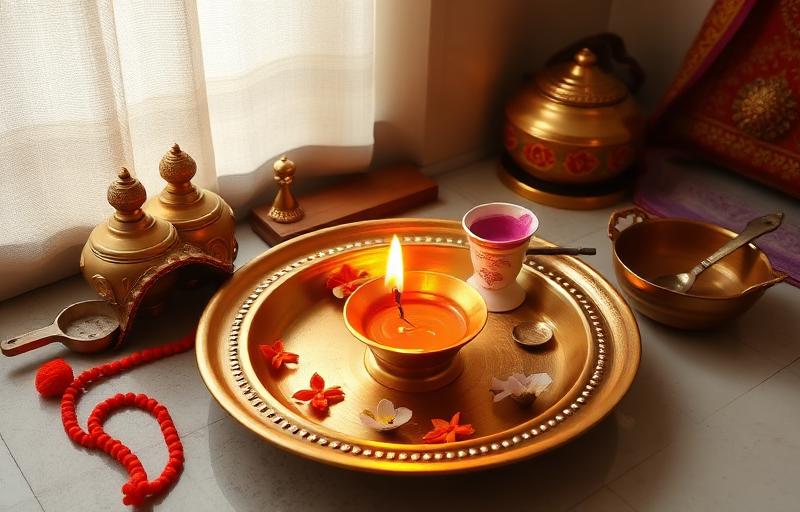
Complete Samagri List for Vishnu Puja
Keep these items ready before you begin:
- Vishnu idol or photo, and a chowki draped with a yellow cloth
- Gangajal
- Roli/kumkum, chandan and akshat
- Tulsi leaves, essential to his worship, gathered with care
- Yellow flowers, and a garland
- A yellow cloth (pitambar) as vastra
- Agarbatti and dhoop
- A deepak with ghee, and a matchbox
- Naivedya: kheer, seasonal fruit or sweets, with a tulsi leaf always placed on top
- Panchamrit ingredients: milk, curd, honey, ghee and sugar
- Betel leaves, supari and a few coins
- Camphor and a small bell for aarti
- A copy of the Vishnu Sahasranama or Vishnu Chalisa, if you wish to recite it
Of everything on this list, tulsi matters most; even a single leaf offered with devotion completes the puja.
Step-by-Step Vishnu Puja Vidhi at Home
Follow these steps in order:
1. Clean and bathe - tidy the puja area and bathe before beginning. 2. Sankalp - sit facing east, take a little water in hand, and silently state your intention. 3. Aavahan - with folded hands, invite Vishnu into the idol or photo. 4. Snan - bathe a metal idol with water and then panchamrit, followed by clean water; for a photo, sprinkle a few drops of Gangajal. 5. Vastra - offer the yellow cloth. 6. Chandan-tilak - apply chandan. 7. Tulsi and pushpa - offer tulsi leaves along with yellow flowers and the garland. 8. Dhoop-deep - light incense and the lamp. 9. Naivedya - offer the bhog with a tulsi leaf placed on top, since food offered to Vishnu is traditionally considered incomplete without it. 10. Mantra jaap - recite "Om Namo Bhagavate Vasudevaya" or read from the Vishnu Sahasranama. 11. Aarti - perform aarti with a lit lamp or camphor, ringing the bell gently. 12. Closing - offer pranam and distribute the prasad.
Best Time and Rules to Follow
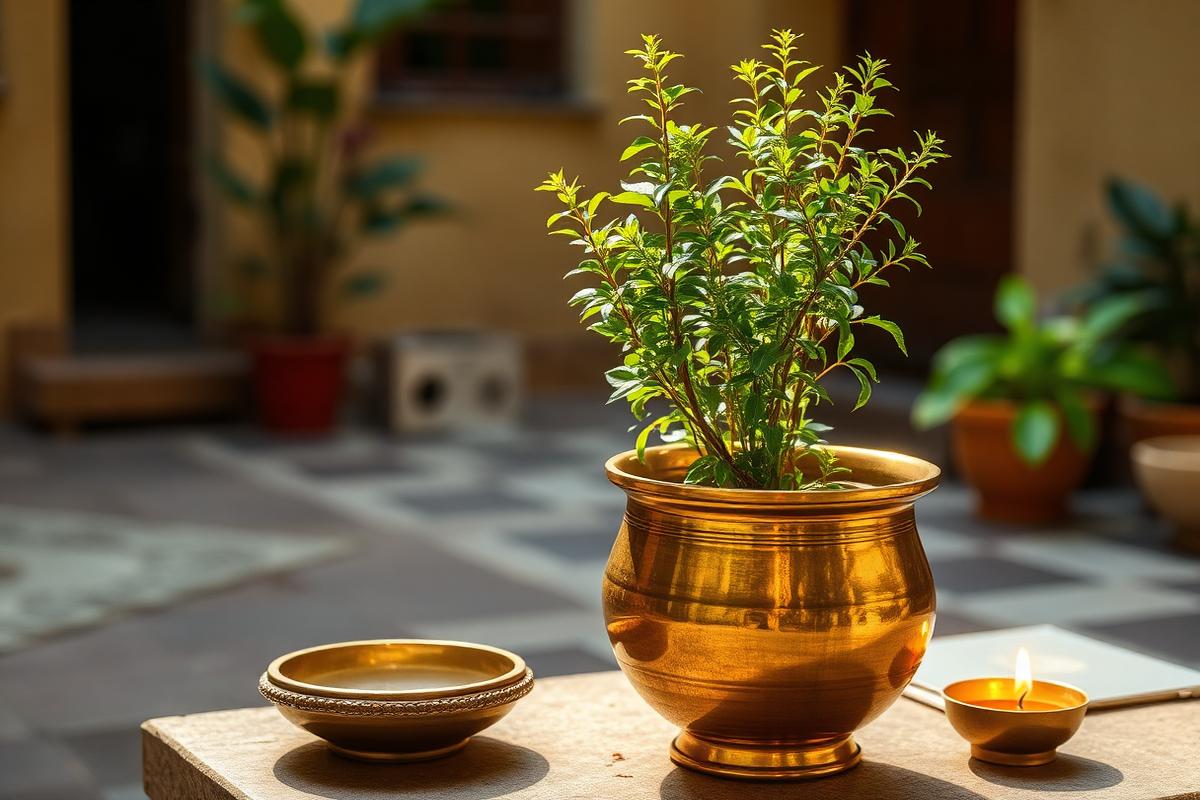
Thursdays (Guruvar) and Ekadashi are especially associated with his worship, and mornings after a bath are ideal for a daily puja. Tulsi leaves should ideally be gathered the previous evening or early morning; long tradition holds that they should not be plucked on Ekadashi, on Sundays, or after sunset, so keeping a few leaves ready in water in advance is a common, practical habit.
Common Mistakes to Avoid
- Avoid plucking fresh tulsi on Ekadashi, Sunday or after sunset; gather leaves in advance if needed.
- Do not skip the tulsi leaf on naivedya; it is considered essential to his worship.
- Do not offer wilted or stale tulsi; fresh leaves kept in a little water are best.
- Keep the tulsi plant itself watered and cared for, since it is treated as part of his worship, not just a source of leaves.
- Do not feel that a large altar is required; a photo, a tulsi leaf and a sincere mantra are enough for daily worship.
A Simple Devotional Note
Vishnu's worship, at its heart, is about steady preservation. The quiet consistency of tending a tulsi plant and offering a single leaf each day builds the same steady, patient devotion that he represents in the world.
What People Ask Most
Why is tulsi so central to Vishnu's worship?+
Tulsi is considered extremely dear to Vishnu, and naivedya offered to him is traditionally considered incomplete without a tulsi leaf placed on it.
When should tulsi leaves not be plucked?+
Long tradition holds that tulsi leaves should not be plucked on Ekadashi, on Sundays, or after sunset. Leaves gathered in advance and kept in water can be used at those times.
What is the easiest daily Vishnu puja?+
A tulsi leaf, a lamp, a little naivedya and the chanting of "Om Namo Bhagavate Vasudevaya" make a complete and simple daily puja.
About the author
Dr. Suresh Iyer · Vastu Shastra & Jyotish, 18+ years
Dr. Suresh has practiced traditional Vastu and basic Vedic Jyotish for over 18 years across South India. He contributes the Vastu, direction, and home-puja layout guides on Vandnaa.
Meet the Vandnaa editorial team →