What Are Atma and Paramatma
Atma is the individual soul - the eternal, conscious self that lives within every being, beyond the body and mind. Paramatma is the Supreme Soul - the one divine Reality present everywhere and within all. The Atma is like a spark, the Paramatma like the infinite fire from which the spark comes. Understanding the relationship between the two is the very heart of Hindu spiritual wisdom.
The Atma - The Eternal Self
The Atma is not the body, the breath or the changing mind, but the silent witness behind them all. The Bhagavad Gita (2.20) declares that the soul is never born and never dies; weapons cannot cut it, fire cannot burn it, water cannot wet it. When the body dies, the Atma simply moves on, as one changes worn clothes for new ones (Gita 2.22). Realising that we are this deathless self, not the perishable body, removes the deepest fear of all.
The Paramatma - The Supreme Soul
The Paramatma is the Supreme Self, the one infinite consciousness that pervades and supports the entire universe. In the Bhagavad Gita (15.7), Krishna says that the individual soul is an eternal fragment (amsha) of his own being. The Gita's thirteenth chapter (Kshetra-Kshetrajna Yoga) describes the Paramatma as the supreme knower seated in every heart, witnessing all yet untouched, the unchanging ground of all that exists.
The Relationship Between the Two
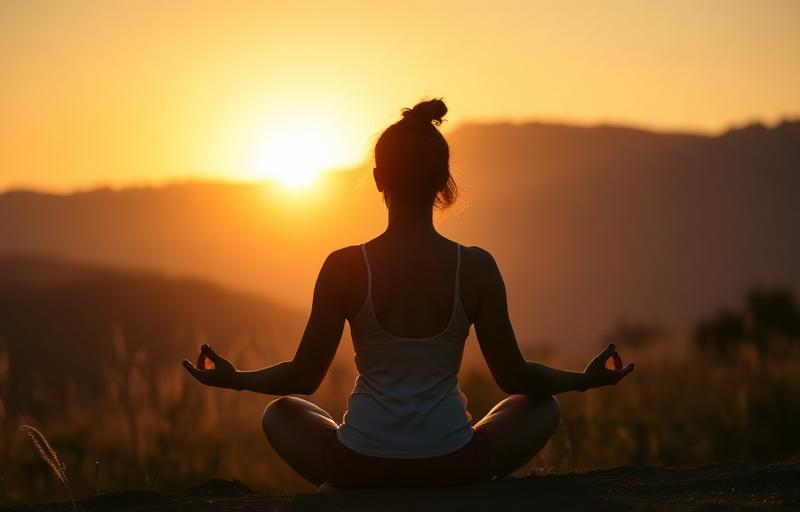
Hindu schools describe their relationship in different ways. Advaita (non-dualism) teaches that Atma and Paramatma are ultimately one and the same, summed up in the great saying Tat Tvam Asi - 'That Thou Art'. Vishishtadvaita sees the Atma as a real part of the Paramatma, like a ray of the sun, while Dvaita holds them as eternally distinct yet deeply connected. All agree that the soul's true home and source is the Supreme.
The Two Birds and Other Analogies
The Mundaka and Shvetashvatara Upanishads give a beautiful image: two birds sit on the same tree. One bird (the Atma) eats the fruits, tasting pleasure and pain, while the other (the Paramatma) simply watches in calm stillness. When the restless bird turns to look at its serene companion, its sorrow ends. Other texts compare them to space inside a pot and the boundless space outside - seemingly separate, truly one.
Their Unity Is the Goal
The aim of the spiritual journey is for the Atma to realise its unity or deep connection with the Paramatma. This realisation is moksha - liberation from the cycle of birth and death and from all fear and sorrow. It is reached through knowledge of the self, devotion and surrender to God, and selfless action done as offering. When the soul knows its source, it rests in lasting peace and unbroken joy.
Why This Matters Today
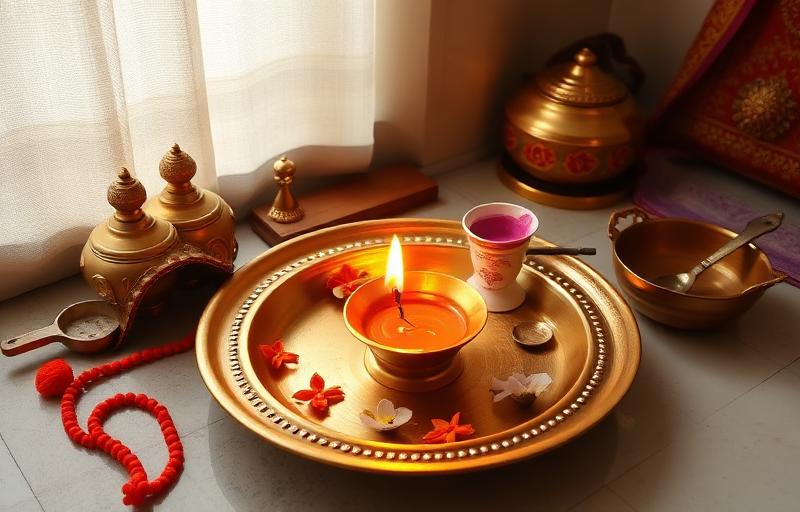
Knowing that we are the deathless Atma, ever connected to the Paramatma, changes how we live. It dissolves the fear of death, eases anxiety over loss, and reveals the same divine spark in every being, fostering compassion and respect. In a world that defines us by appearance and achievement, this ancient wisdom restores a quiet, unshakable sense of who we truly are.
Frequently Asked Questions
What is the difference between Atma and Paramatma?+
Atma is the individual soul within each being, while Paramatma is the Supreme Soul present everywhere. The Atma is like a spark and the Paramatma the infinite fire from which it comes.
Is the Atma the same as the body or mind?+
No. The Atma is the eternal witness behind the body and mind. The Gita (2.20) says the soul is never born and never dies, and cannot be cut, burnt or destroyed by anything.
What does the Bhagavad Gita say about the soul?+
The Gita teaches the soul is eternal and indestructible (2.20), changes bodies like worn clothes (2.22), and is an eternal fragment of the Supreme (15.7). Chapter 13 describes the Paramatma in every heart.
What does 'Tat Tvam Asi' mean?+
'Tat Tvam Asi' means 'That Thou Art', one of the great Upanishadic sayings. It teaches that the individual soul (Atma) is in essence one with the Supreme Soul (Paramatma), as Advaita Vedanta holds.
What is the meaning of the two birds analogy?+
Two birds on one tree represent the Atma and Paramatma. One eats the fruits and feels pleasure and pain; the other simply watches. When the first turns to the calm second, its sorrow ends.
Why is realising the Atma-Paramatma unity important?+
This realisation is moksha, liberation from the cycle of birth and death and from all fear and sorrow. It brings lasting peace and reveals the same divine spark in every being, fostering compassion.
About the author
Anjali Mehta · Editor, M.A. Religious Studies
Anjali is the managing editor for Vandnaa and oversees the festival and vrat coverage. She holds an M.A. in Religious Studies and reviews every published article for accuracy, accessibility, and tradition-fidelity.
Meet the Vandnaa editorial team →Explore on Vandnaa
Related Articles
What is Maya (Illusion) in Hinduism
9 min read
Trimurti - Roles of Brahma, Vishnu & Mahesh
9 min read
The Four Yugas - Satya, Treta, Dwapar & Kali Yuga Explained
10 min read
Bhagavad Gita - All 18 Chapters Summary & Key Teachings
10 min read
Moksha & the 4 Purusharthas - Dharma, Artha, Kama, Moksha
9 min read
Reincarnation (Punarjanam) - Soul, Karma & Rebirth
9 min read