
What Does Sanatan Dharma Mean - The Eternal Way
Sanatan Dharma joins two profound Sanskrit words. Sanatan means eternal, ageless, without beginning or end. Dharma, from the root dhri (to uphold), means that which sustains: the natural law, duty and righteousness that hold life together, the way warmth is the dharma of fire and sweetness the dharma of sugar. So Sanatan Dharma means the eternal way of righteousness: truths considered valid in every age, not tied to one founder, one date or one book. The tradition understands itself as apaurusheya in spirit, resting on truths discovered by many rishis across millennia rather than instituted by a single person. This is why it feels less like a bounded organization and more like a vast, ancient banyan tree: countless branches, many roots, one living trunk of timeless principles.
Core Principles - Dharma, Karma and Rebirth
Three interlocking principles form the foundation. Dharma is right living: truthfulness, duty toward family and society, integrity in work and compassion in conduct. It is contextual; the dharma of a student, a parent and an elder differ, yet all flow from the same commitment to uphold rather than harm. Karma is the law of action: every thought, word and deed plants a seed that ripens in time. It is not fatalism but the opposite: a declaration that our choices matter and our future remains in our hands. Rebirth (punarjanma) completes the picture: the soul (atman) is eternal and journeys through many lives, learning and evolving. The Gita compares it to changing worn-out clothes. Together these three teach accountability with hope: no effort is ever lost, and every being, without exception, is on a journey toward the Divine.
Moksha, Ahimsa and Seva - The Goal and the Path
Sanatan Dharma names four worthy aims of life (purusharthas): dharma (righteousness), artha (prosperity), kama (fulfilment) and moksha (liberation). The first three are honoured, not rejected; wealth and joy earned righteously are part of a good life. But the final aim is moksha: freedom from the cycle of birth and death, union with or nearness to the Divine, described by different schools in different ways. Two values light the path. Ahimsa, non-harming, is called the highest dharma (ahimsa paramo dharmah): gentleness in thought, word and action toward all beings, which is also why reverence for cows, rivers and trees runs so deep. Seva, selfless service, treats helping others as worship itself, for the same Divine dwells in every being. Feeding the hungry, caring for elders and serving one's community are considered as sacred as any ritual.
Sanatan Dharma and 'Hinduism' - Two Names, One Tradition
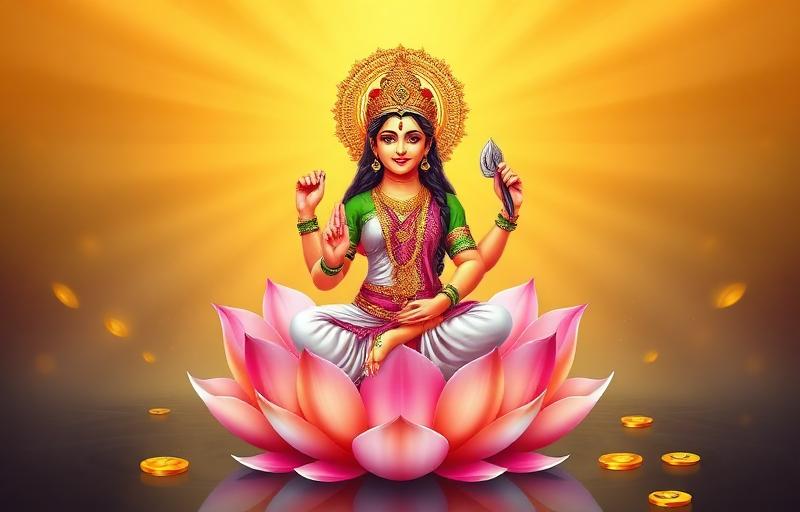
Why do we hear both names? 'Hindu' began as a geographical word: ancient Persians used it for the people living beyond the Sindhu (Indus) river, and over centuries 'Hinduism' became the common international name for the religion of India. The tradition's own ancient self-description, found in texts and used by practitioners, is Sanatan Dharma, the eternal dharma; the term Vaidika Dharma (the Vedic way) is also used. Neither name is wrong. 'Hinduism' is convenient and recognized worldwide; 'Sanatan Dharma' expresses how the tradition sees itself: not founded at a point in history, but a timeless way of seeking truth. Many devotees use the words interchangeably, and both deserve respect. What matters is the substance beneath the label: reverence for the Divine, the law of karma, the sanctity of all life and the freedom to approach God by many paths.
Unity in Diversity - Many Paths, One Truth
Perhaps no idea defines Sanatan Dharma better than the Rig Vedic declaration: Ekam sat vipra bahudha vadanti - 'Truth is one; the wise call it by many names.' Within one family of faith live the worship of Vishnu (Vaishnava), Shiva (Shaiva), the Divine Mother (Shakta) and many regional and family traditions. Seekers may follow bhakti yoga (devotion), karma yoga (selfless action), jnana yoga (knowledge) or dhyana (meditation), and most lives weave several together. Scriptures range from the four Vedas and Upanishads to the Gita, Ramayana, Mahabharata, Puranas and beloved regional works like the Ramcharitmanas. Festivals, languages, cuisines and rituals vary from Kashmir to Kanyakumari, yet the underlying grammar is shared: the divinity of the soul, the sacredness of life and the journey toward moksha. Difference here is not division; it is the tradition's way of honouring every temperament.
How Sanatan Dharma Lives in Daily Practice
For most devotees, Sanatan Dharma is less a doctrine than a daily rhythm. 1. Morning: waking with a remembrance of the Divine, a short puja or diya at the home altar, perhaps surya namaskar or a few minutes of japa. 2. Through the day: honesty in work as karma yoga, respect for parents and elders (charan sparsh), feeding others before oneself, kindness to animals. 3. Evening: aarti, lighting the lamp at dusk, family prayer or reading a few verses of the Gita or Ramcharitmanas. 4. Through the year: festivals like Diwali, Navratri and Shivratri that renew faith and community; fasts (vrats) that train discipline; pilgrimage when possible. 5. Through life: the samskaras, sacred rites from naming to marriage, that consecrate each stage. None of this requires perfection. Sanatan Dharma meets each person where they stand and invites one more small step toward light: tamaso ma jyotir gamaya.
Reader Questions Answered
What is the literal meaning of Sanatan Dharma?+
Sanatan means eternal or ageless, and dharma means that which upholds: righteousness, duty and natural law. Together, Sanatan Dharma means 'the eternal way of righteousness', truths regarded as valid in every age and not tied to a single founder or date.
Are Sanatan Dharma and Hinduism the same thing?+
They refer to the same tradition. 'Hindu' began as a geographical term used for people beyond the Sindhu (Indus) river, and 'Hinduism' became the common international name. 'Sanatan Dharma' is the tradition's own ancient self-description as the eternal dharma. Both names are used respectfully and interchangeably.
What are the core principles of Sanatan Dharma?+
Core principles include dharma (righteous living), karma (the law of action and consequence), punarjanma (rebirth of the eternal soul), moksha (liberation as life's highest goal), ahimsa (non-harming) and seva (selfless service as worship).
Does Sanatan Dharma have a founder?+
No single founder. Sanatan Dharma understands itself as eternal, resting on truths realized by many rishis over millennia and preserved in the Vedas, Upanishads and later scriptures. This is a key reason it calls itself the eternal dharma.
What are the four purusharthas in Sanatan Dharma?+
The four purusharthas are dharma (righteousness), artha (prosperity earned ethically), kama (legitimate desires and fulfilment) and moksha (liberation). They show that Sanatan Dharma honours worldly life while pointing it toward the ultimate spiritual goal.
How can a beginner start living Sanatan Dharma daily?+
Start small and steady: a short morning prayer or diya, honesty and kindness through the day, evening aarti or a few Gita verses, respect for elders, and simple seva like feeding someone in need. Festivals, vrats and japa can be added gradually as the heart grows into the rhythm.
About the author
Anjali Mehta · Editor, M.A. Religious Studies
Anjali is the managing editor for Vandnaa and oversees the festival and vrat coverage. She holds an M.A. in Religious Studies and reviews every published article for accuracy, accessibility, and tradition-fidelity.
Meet the Vandnaa editorial team →