What Is Aarti?
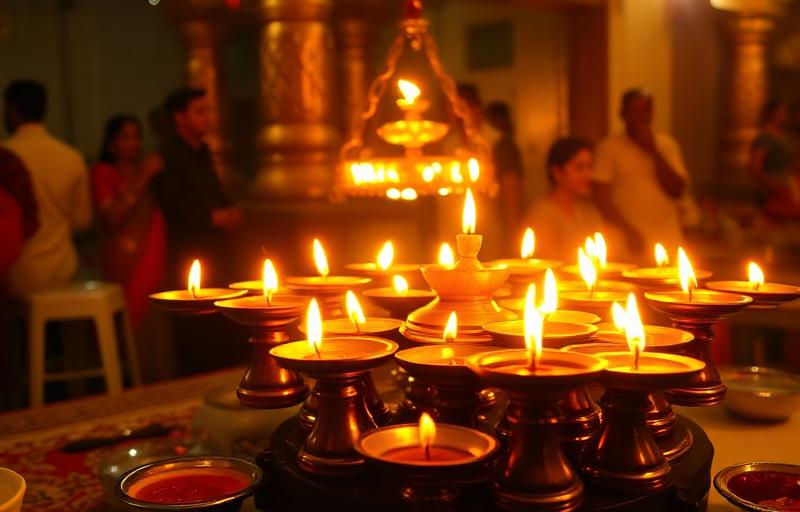
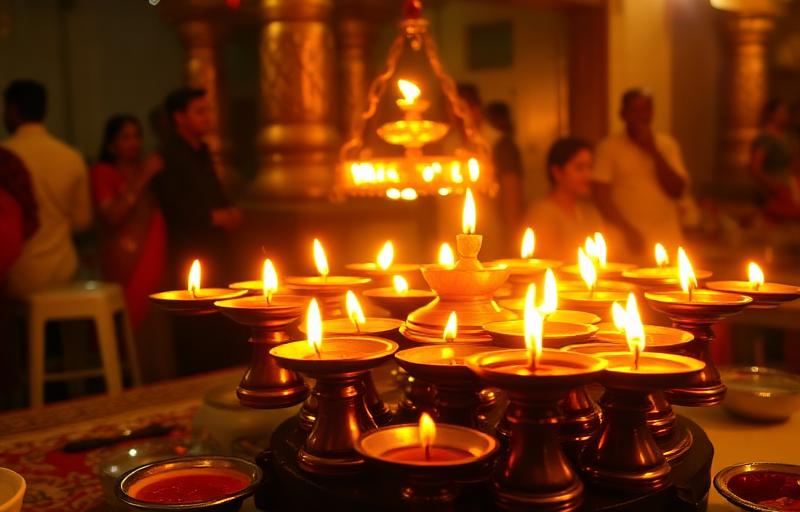
Aarti is the loving climax of Hindu worship, in which a lamp of lit wicks (or camphor) is circled before the deity while devotees sing a hymn, ring a bell and clap. It is performed at temples and homes, in the morning and especially at dusk (sandhya aarti).
The word aarti comes from the Sanskrit aaratrika, meaning the removal of darkness with light. In essence, aarti is the act of offering light to the divine and, through that light, offering our whole self - mind, heart and senses - to God.
The Meaning Behind Each Part of Aarti
- The lamp (deepak): Fire is the purest element; its light represents knowledge dispelling the darkness of ignorance. Offering light is offering the soul's awareness back to its source.
- Circling the flame: Moving the lamp in a circle around the deity honours every part of the divine form and shows that God is the centre around which our whole life revolves.
- The bell (ghanti): Its sound carries the sacred Om, drives away negativity, and calls the mind to attention and the deity's presence.
- Singing the aarti: The hymn voices our love and praise; singing together unites all hearts in one devotion.
- Taking the flame's blessing: At the end, devotees pass their hands over the flame and touch their eyes and head, receiving warmth, light and grace.
Why We Perform Aarti
The reasons aarti holds such a central place:
1. To complete the worship: Aarti is the joyful conclusion of puja, in which all the offerings are sealed with light and song. 2. To offer ourselves through light: The flame stands for the ego and the soul; circling it before God is surrendering the self and asking that our inner light merge with the divine. 3. To behold the deity fully: In a dimly lit shrine, the moving lamp lets the eye drink in every detail of the deity's form, deepening the darshan. 4. To purify and uplift: The fragrance, light, sound and song together cleanse the atmosphere and lift the mind into a devotional state.
The deeper teaching is surrender: as the flame burns steadily upward, aarti asks us to let our heart burn steadily toward God, free of the darkness of ego.
How Aarti Is Performed
- Prepare the lamp: Use an aarti thali with an odd number of lit cotton wicks in ghee, or a piece of camphor (kapoor), with flowers, akshat and incense.
- Stand facing the deity with a calm, devotional mind, after the main puja is done.
- Begin singing the aarti hymn while ringing the bell with the left hand.
- Circle the lamp clockwise before the deity - traditionally in a gentle circular motion, covering the form from feet upward, usually a few full circles.
- Conclude by setting down the lamp, offering pushpanjali, and bowing.
- Share the blessing: Pass the flame to all present; each person moves their palms over it and touches their eyes and head, then receives prasad.
The lamp is held in the right hand; the song should come from the heart, not just the lips.
Quick Answers
Why do we perform aarti?+
Aarti completes the worship by offering light to the deity. Circling the flame symbolises surrendering the ego and self to God, asking our inner light to merge with the divine. It also lets devotees behold the deity fully and uplifts the mind.
What does the aarti lamp symbolise?+
The lamp represents fire, the purest element, whose light stands for knowledge dispelling the darkness of ignorance. The flame also symbolises the soul and the ego; offering it to God expresses surrender and the wish for our inner light to merge with the divine.
Why is the aarti flame circled before the deity?+
Circling the flame honours every part of the deity's form and shows that God is the centre around which our life revolves. In a dimly lit shrine it also lights up the whole form, deepening the darshan for the devotee.
Why do we take the flame's blessing after aarti?+
After aarti, devotees pass their palms over the flame and touch their eyes and head to receive its warmth, light and the deity's grace. It is a way of carrying the blessing of the sacred fire into oneself.
About the author
Acharya Vinaya Kapoor · M.A. Sanskrit, Mantra & Stotra Studies
Acharya Vinaya holds an M.A. in Sanskrit from Banaras Hindu University and writes the mantra and stotra commentary on Vandnaa. Her focus is on accurate pronunciation, traditional context, and helping modern readers connect with classical texts.
Meet the Vandnaa editorial team →