Ekdanta - The Lord with One Tusk
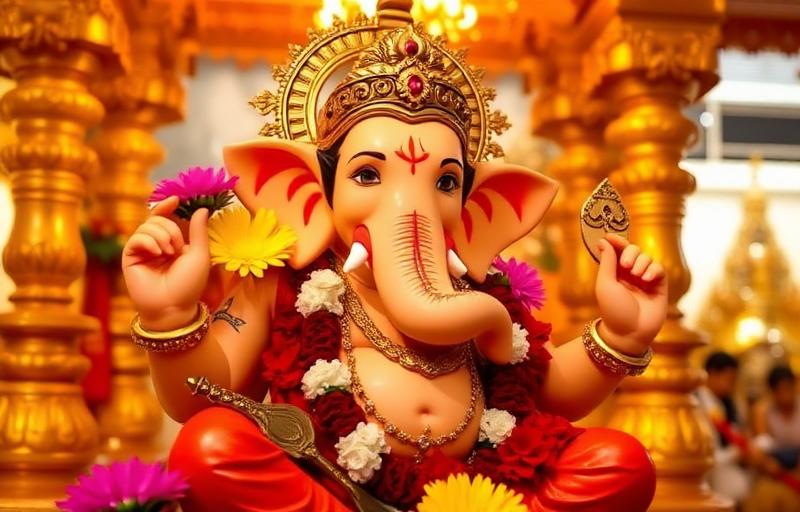
One of Lord Ganesha's best-loved names is Ekdanta, 'the one with a single tusk'. In nearly every image, one of his tusks is whole while the other is broken short - and he is often shown holding the broken piece in one of his hands.
This is not a flaw but a mark of glory. Hindu tradition preserves more than one beautiful katha to explain how the tusk came to be broken, and each story turns the loss into a symbol of devotion, sacrifice and the triumph of wisdom.
The Mahabharata Katha - The Pen that Never Stopped
The most famous story comes from the Mahabharata itself. The great sage Veda Vyasa wished to compose the vast epic but needed a scribe swift enough to keep pace with his thoughts. He asked Lord Ganesha to write it down.
Ganesha agreed on one condition - that Vyasa must recite without pausing. Vyasa, in turn, set a counter-condition: Ganesha must fully understand each verse before writing it. As they worked, Ganesha's pen broke under the unceasing flow. Rather than stop and break the rhythm, Ganesha snapped off one of his own tusks and used it as a pen, writing on without interruption.
Thus the broken tusk became the very instrument that recorded the Mahabharata - a supreme symbol of sacrifice in the service of knowledge.
The Story of Parashurama
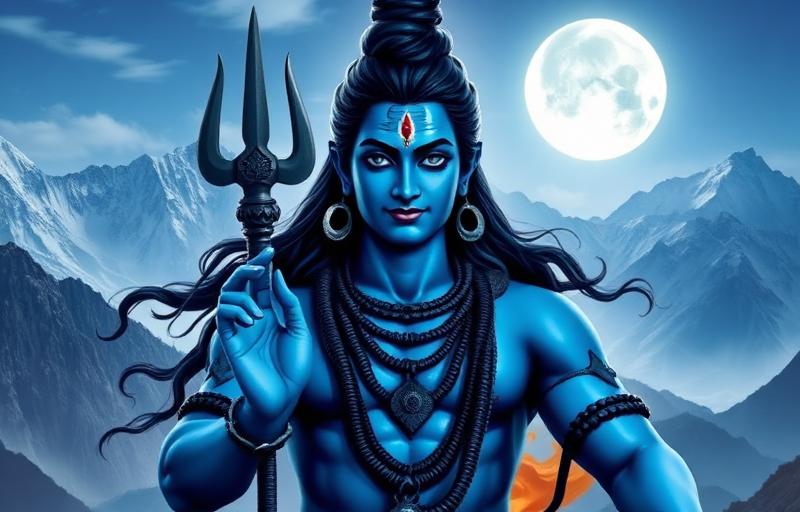
A second well-known katha tells of Parashurama, the warrior-sage avatar of Lord Vishnu and a great devotee of Shiva. He came to Mount Kailash to see Shiva, but Lord Ganesha, guarding the entrance while his parents rested, stopped him at the door.
A dispute arose, and the proud Parashurama hurled the axe (parashu) that Shiva himself had given him. Ganesha recognised the weapon as his father's gift. Out of reverence, he chose not to block it but received it on his tusk, which broke off. Rather than dishonour Shiva's own weapon, Ganesha accepted the blow and the loss with grace.
Both stories share the same heart: the tusk is sacrificed willingly, in devotion and humility, never taken by force or shame.
The Deeper Meaning of the Broken Tusk
The single tusk is rich in symbolism:
- Sacrifice for knowledge: Breaking his own tusk to keep writing teaches that true wisdom asks for self-sacrifice. We must give up comfort and ego to preserve and share truth.
- Beyond duality: Two tusks suggest pairs of opposites - good and bad, joy and sorrow. The single tusk represents rising above duality to one-pointed focus and oneness with the divine.
- Retain the good, discard the bad: One tusk kept, one broken away, is read as holding on to wisdom (the whole tusk) while casting off the imperfect and unnecessary.
- Imperfection turned to glory: What looks like a loss becomes Ganesha's proud name, Ekdanta. It teaches that what the world calls a flaw can, through devotion, become a source of greatness.
So the broken tusk is not a wound but a crown - the mark of a god who gives himself completely in the service of dharma and knowledge.
Frequently Asked Questions
Why is Ganesha called Ekdanta?+
Ekdanta means 'the one with a single tusk'. Lord Ganesha has one whole tusk and one broken tusk, so this name describes his most recognisable feature and the devotion behind it.
How did Ganesha break his tusk according to the Mahabharata?+
While writing the Mahabharata dictated by sage Veda Vyasa, Ganesha's pen broke. To keep writing without interrupting the flow, he snapped off one of his own tusks and used it as a pen, recording the entire epic without a pause.
What does the story of Parashurama say about the tusk?+
When Parashurama hurled the axe given to him by Shiva, Ganesha recognised his father's weapon and, out of reverence, received it on his tusk rather than blocking it. The tusk broke, but Ganesha honoured Shiva's gift instead of fighting back.
What does the broken tusk symbolise?+
The single tusk symbolises sacrifice in the service of knowledge, rising above duality to one-pointed focus, and retaining wisdom while discarding the imperfect. It teaches that what looks like a flaw can, through devotion, become a source of glory.
About the author
Anjali Mehta · Editor, M.A. Religious Studies
Anjali is the managing editor for Vandnaa and oversees the festival and vrat coverage. She holds an M.A. in Religious Studies and reviews every published article for accuracy, accessibility, and tradition-fidelity.
Meet the Vandnaa editorial team →