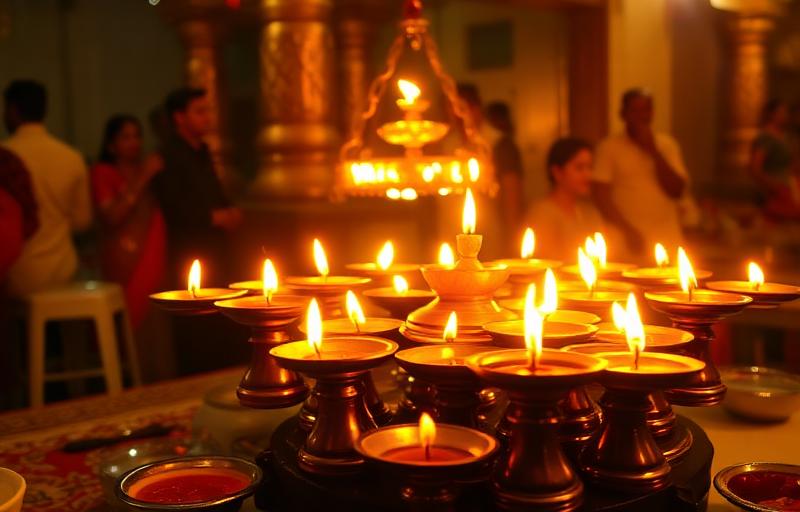
The Practice: Jalabhishek on the Shivling
Walk into any Shiva temple and you will see devotees pouring water, milk, or a continuous stream from a hanging pot over the Shivling. This ritual is called jalabhishek, and when other items like curd, honey, ghee, and sugar are added it becomes panchamrit abhishek. It is one of the simplest yet most performed rituals in Hindu worship, done daily by many temples and especially by devotees on Mondays and through the month of Shravan.
Unlike elaborate rituals that need many steps, jalabhishek needs only water and devotion. This simplicity is part of why it is so widely practiced, from grand Jyotirlinga temples to a small Shivling kept in a home shrine.
The Traditional Reasoning Behind the Ritual
The most well-known story connected to this practice goes back to the Samudra Manthan, the churning of the ocean described in Puranic tradition. As the devas and asuras churned the ocean, a deadly poison called halahal emerged, capable of destroying creation. To protect the universe, Lord Shiva drank the poison and held it in his throat, which is why he is called Neelkanth, the blue-throated one.
As per tradition, the devas then offered water and later milk to Shiva to help cool the effect of the poison and ease its intensity. Since that day, devotees continue to offer jal and doodh on the Shivling as a gesture of care toward Shiva, remembering his sacrifice for the well-being of the world.
What This Offering Symbolizes
Beyond the story, jalabhishek carries deep symbolism. Water is considered the purest and most essential element of life, and offering it represents offering one's own self, cooled of ego and anger, to the divine. As the water flows over the Shivling and falls away, it is seen as a reminder that our pride and impurities should flow away too, leaving behind a calm and humble mind.
Milk, offered alongside water, represents purity, nourishment, and gratitude. Devotees believe that just as milk is given without expecting anything in return, true devotion to Shiva should also be selfless. The Shivling itself is worshipped as the nirakar (formless) representation of Shiva, so this simple offering becomes a way to connect with a form of God that is beyond shape.
How Jalabhishek Is Practiced Today
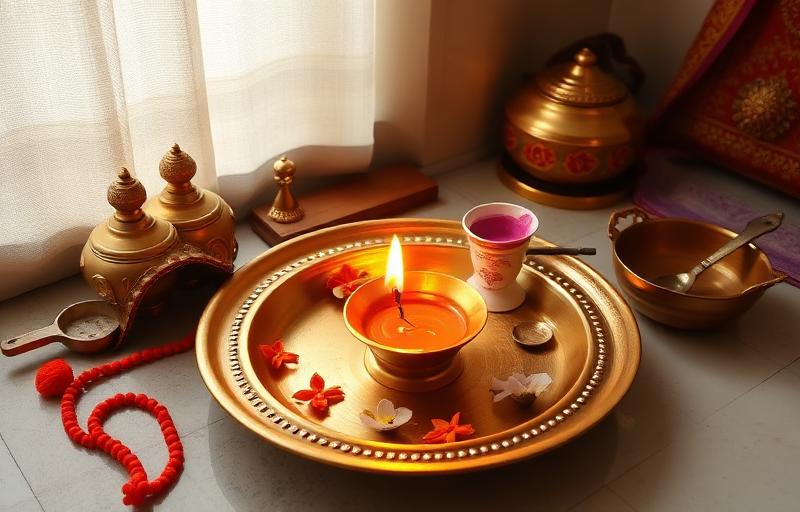
Today, jalabhishek is practiced both in temples and at home. A common form is Rudrabhishek, where water, milk, curd, honey, ghee, and sugar are offered one by one to the Shivling while chanting mantras, usually led by a priest. Devotees often chant Om Namah Shivaya or the Mahamrityunjaya Mantra during the offering.
Some common elements of the practice include:
- A copper or brass vessel (kalash) used to pour water in a slow, steady stream
- Bel patra (bilva leaves) offered along with water, considered especially dear to Shiva
- Special emphasis on Mondays and throughout the month of Shravan
- Ganga jal used where available, considered especially sacred for this offering
Many devotees keep a small Shivling at home and perform a simple version of this ritual every morning as part of daily worship.
A Simple Offering, A Deep Devotion
Jalabhishek shows that devotion does not need to be elaborate to be meaningful. A small stream of water, offered with a calm mind and sincere heart, is enough to connect a devotee with Shiva. Whether at a grand temple or a small home shrine, the act carries the same intention: gratitude, humility, and love.
As with all Hindu worship, this ritual is an act of faith and love, not a transaction. The water we offer returns to us as peace of mind, which is perhaps the truest blessing of jalabhishek.
What People Ask Most
Why is milk poured on the Shivling along with water?+
As per tradition, milk is offered to soothe Lord Shiva after he drank the poison during Samudra Manthan. It also symbolizes purity, nourishment, and selfless devotion offered without expecting anything in return.
Is it necessary to offer milk, or is water enough?+
Water alone is considered a complete offering. Milk, curd, honey, and other items are added in more elaborate rituals like Rudrabhishek, but a devotee's sincere jal offering is equally valued in tradition.
Which day is considered best for jalabhishek?+
Monday is traditionally associated with Lord Shiva, so it is considered especially auspicious for jalabhishek. The entire month of Shravan is also regarded as a particularly sacred time for this offering.
About the author
Pandit Mahesh Trivedi · Festival Traditions & Panchang
Pandit Mahesh leads the festival-date and Panchang content on Vandnaa. He cross-references multiple regional panchangs (Drik, Vaishnava, Bengali, Marathi) for every festival date published on the site.
Meet the Vandnaa editorial team →