The Practice: Worshipping Shiva as Neelkanth
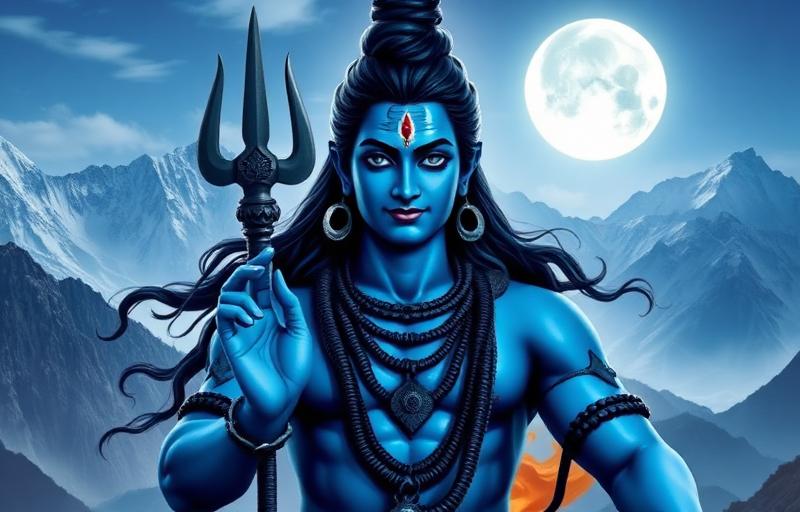
Shiva is worshipped and depicted across temples and homes with a distinctive blue mark or blue-tinted throat, and one of his most beloved names, Neelkanth, literally means the blue-throated one.
This feature appears consistently in Shiva idols, images and temple sculptures across India, and the name Neelkanth is chanted regularly in his stotras and during Mahashivratri prayers.
The Katha: Samudra Manthan and Halahala
According to the Samudra Manthan katha found in the Puranas, when the devas and asuras churned the cosmic ocean in search of amrit, the nectar of immortality, a deadly poison called Halahala emerged first, threatening to destroy all of creation.
To save the universe from this poison, Shiva chose to drink it himself. It is said that Goddess Parvati, worried for him, held his throat to stop the poison from travelling further down into his body, so Shiva held it in his throat rather than swallowing it, and it stayed there as a permanent blue mark.
What the Neelkanth Story Symbolises
The story of Shiva drinking the poison is widely understood as a symbol of his role as the protector who absorbs the world's suffering so that others may be kept safe, taking hardship upon himself for the sake of the universe.
It is also often cited in devotional teaching as a lesson in composure, holding difficulty within oneself with steadiness rather than letting it spread and cause harm to those around, much as Shiva held the poison in his throat rather than letting it consume him or the world.
How Neelkanth Is Remembered Today
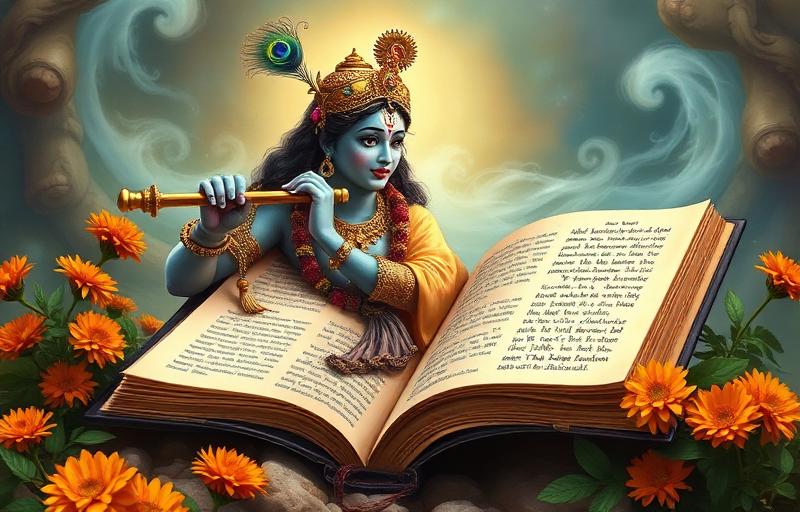
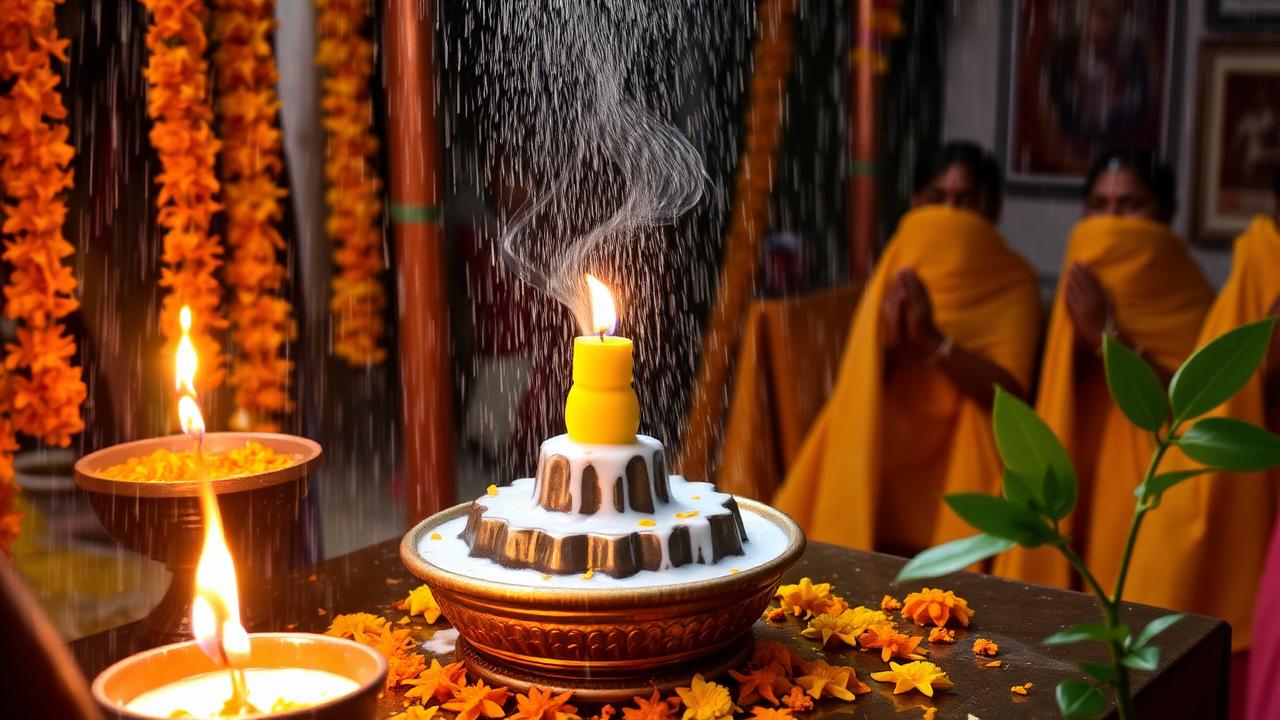
Shiva idols and images across temples continue to show this blue throat, and devotees especially recall the story during Mahashivratri and other Shiva-related festivals, when his many names, including Neelkanth, are chanted in stotras and abhishekam prayers.
The story is also commonly retold to children as an early lesson in selflessness, often being one of the first Puranic stories many grow up hearing about Shiva.
A Blue Mark, A Lasting Lesson
Every time devotees say the name Neelkanth, they are recalling a God who chose to protect the world even at great personal cost. It is a quiet lesson in sacrifice, carried forward century after century in a single blue mark on his throat.
Frequently Asked Questions
Why did Shiva not swallow the Halahala poison completely?+
Tradition says Goddess Parvati held his throat to stop the poison from going further into his body, so it stayed in his throat rather than spreading, leaving a permanent blue mark.
What does the name Neelkanth mean?+
Neelkanth means the blue-throated one, referring directly to the mark left on Shiva's throat after he drank the Halahala poison to protect the universe.
Is the Neelkanth bird actually connected to Shiva?+
The bird shares its name with Shiva's epithet because of its similarly blue throat, and sighting it is considered auspicious in several regional traditions, especially around Dussehra.
About the author
Anjali Mehta · Editor, M.A. Religious Studies
Anjali is the managing editor for Vandnaa and oversees the festival and vrat coverage. She holds an M.A. in Religious Studies and reviews every published article for accuracy, accessibility, and tradition-fidelity.
Meet the Vandnaa editorial team →