The Practice: A Distinct Blue Complexion
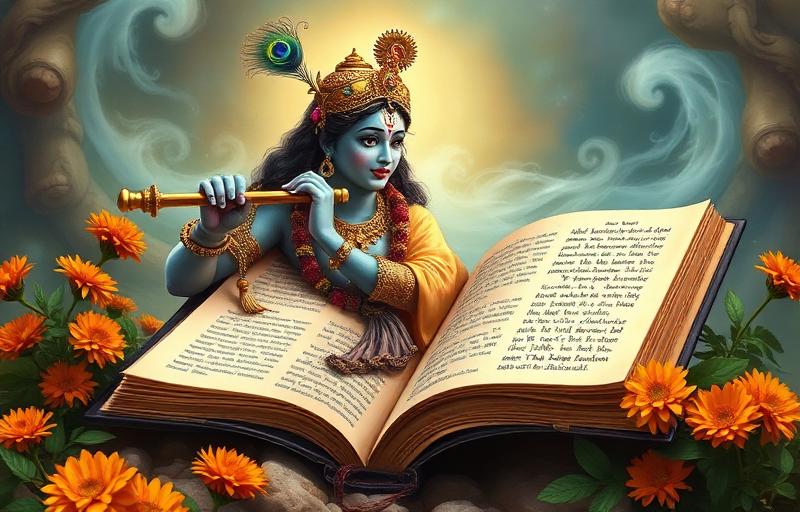
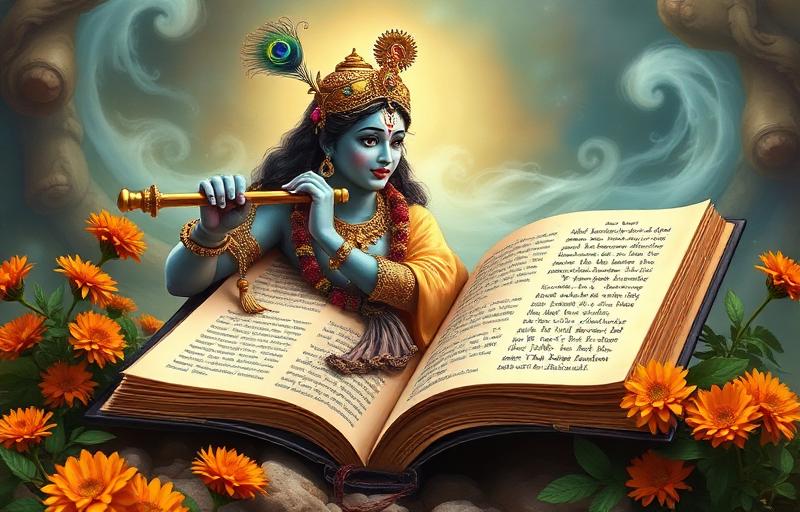
In idols, calendar art and temple murals, Vishnu, Krishna and Rama (as one of Vishnu's avatars) are consistently shown with blue or blue-black skin, standing apart from the more natural skin tones used for most other figures in Hindu art.
This is one of the most recognisable visual conventions in Hindu iconography, so much so that even young children can identify Krishna or Vishnu in a picture largely by this one detail alone.
Where This Comes From in Tradition
Puranic descriptions and devotional poetry repeatedly compare Vishnu and Krishna's complexion to a monsoon rain cloud, often called megha shyam, and to the deep blue of the sky and the ocean, on which Vishnu is described as resting (Kshira Sagar, the ocean of milk).
Because this comparison appears so often and so consistently across verses, hymns and Puranic text, blue became the settled artistic convention over centuries for depicting Vishnu and his avatars.
What the Colour Blue Represents
Blue is the colour of infinity, the sky and the ocean, both vast and boundless, echoing Vishnu's role as the all-pervading preserver of the universe who cannot be contained within ordinary limits. A rain-bearing monsoon cloud is also a symbol of life-giving abundance, tying Vishnu's blue colour to his nature as the sustainer who nourishes all beings, much as rain nourishes the earth.
Some devotional traditions also read this blue as a gentle reminder that God's true nature goes beyond ordinary physical categories, including something as simple as skin colour.
This Convention in Art and Festivals Today
Idols, calendar art, temple murals and depictions during Krishna Janmashtami all continue this blue tradition today, making it one of the easiest ways to identify Vishnu or his avatars at a glance across any region of India.
Artists and idol makers continue to use blue or blue-black paint and pigment for these figures as a matter of settled convention, passed down through generations of temple and folk art alike.
More Than Just a Colour
The blue seen in Krishna and Vishnu idols is less about literal skin colour and more a painted reminder of vastness, abundance and the boundless nature devotees believe lies behind the deity's very human-looking form. It is a small artistic choice carrying a very large idea.
Reader Questions Answered
Does Vishnu's blue colour have a literal meaning?+
It is understood symbolically rather than literally, drawing on comparisons to the vast sky, ocean and monsoon clouds found throughout Puranic and devotional poetry.
Why is Krishna sometimes shown darker rather than blue?+
This is a regional artistic variation, especially seen in Vrindavan-style depictions, where Krishna's complexion is shown closer to shyam or dark, within the same wider tradition.
Is Rama also shown with blue skin?+
Yes, since Rama is considered an avatar of Vishnu, he is traditionally depicted with the same blue complexion in most temple art and calendar imagery.
About the author
Anjali Mehta · Editor, M.A. Religious Studies
Anjali is the managing editor for Vandnaa and oversees the festival and vrat coverage. She holds an M.A. in Religious Studies and reviews every published article for accuracy, accessibility, and tradition-fidelity.
Meet the Vandnaa editorial team →